-
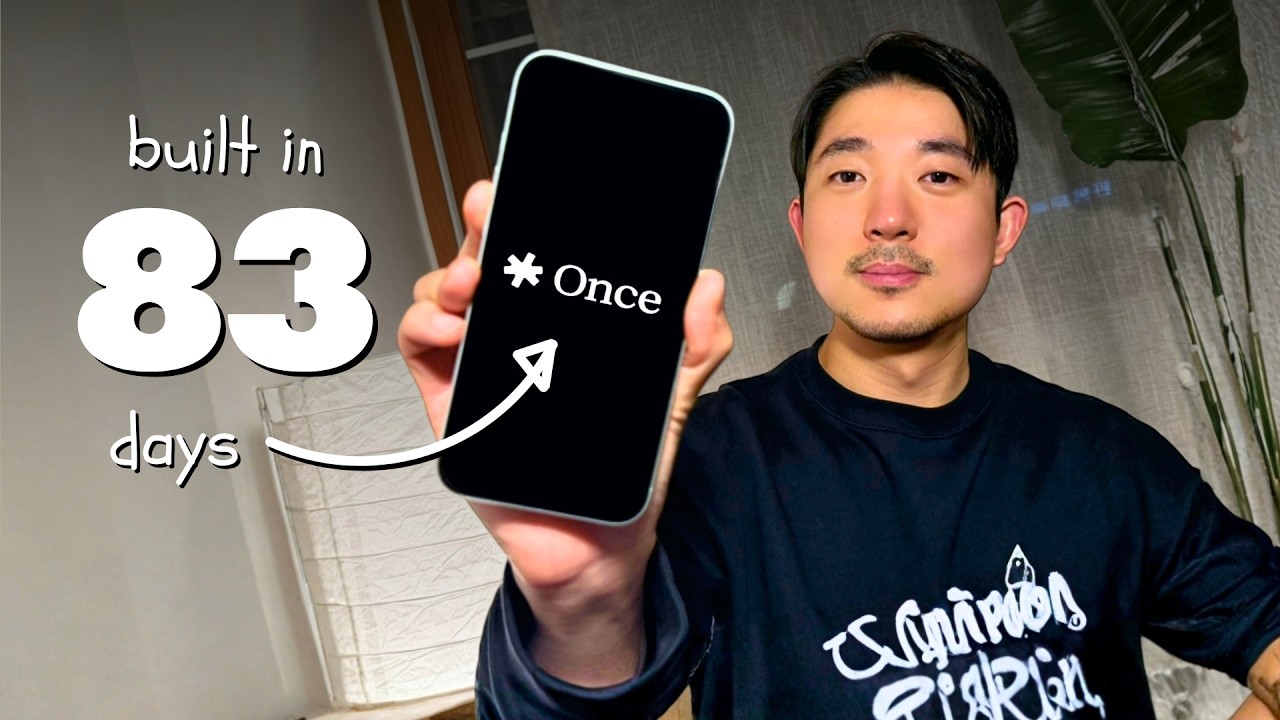
Brian Shin and his girlfriend built Once, a disposable camera app for events like weddings and parties, and grew it to over $20,000/month in revenue within 83 days of launch — all while staying fully bootstrapped. The episode centers on their unusual validation approach called the “commitment metric,” where they refused to write any code until they had real proof that people would actually use the product.
-
Products and Offerings
- Once is a mobile app that mimics the disposable camera experience for group events — guests take photos that get collected into a shared album, with delayed reveals and limited shots per person
- Pricing scales with guest count: $2 for a 10-person birthday party up to $50 for a 150-person wedding
- Weekly active users sit around 10,000–12,000, with roughly 700 events scheduled in March alone
-
Metrics and Financials
- Hit $20,000/month in revenue within 83 days of launch
- Current monthly revenue is approximately $22,000
- Grew from zero to this point with no outside funding
-
Strategy and Growth
- Validation before building: Brian and his co-founder set a commitment metric of 10 confirmed events with real dates before writing any production code
- Personal network outreach: Opened X, LinkedIn, Instagram, and Facebook, then manually scanned contacts for anyone with an upcoming event — landed 4 initial events this way
- Cold outreach at scale: Searched Instagram hashtags like #wedding and #birthdayparty, compiled 250–300 prospects, sent short 2–3 sentence cold messages, and converted 15 replies into 12 booked events
- Quick web prototype: Built a scrappy web app in one to two weeks just to test at a Halloween party — it broke repeatedly but proved people loved the concept
- Channel-as-validation: Identified that the platform used for validation (Instagram, Reddit, TikTok, YouTube) would double as the primary marketing channel going forward
-
Tech Stack and Infrastructure
- Design: Figma — Brian deliberately avoids AI for design, believing consumer apps require human taste and opinionated creative choices
- Development: Claude Code as the primary coding tool, with Conductor to run multiple Claude Code instances across different work trees simultaneously
- Backend and database: Supabase
- Web hosting: Vercel (still used for web aspects of the product)
- AI usage: Heavy use of AI for dev and finance, but zero AI in the design process
-
Lessons and Advice
- Define a commitment metric for yourself and your users: Set a specific date and a specific number of committed users or customers — for Once, that meant 10 events with real dates and real hosts willing to use the app in front of their guests
- Exhaust your personal network first: Go through every social media contact and identify anyone who fits your ideal customer profile, but apply the “mom test” — don’t mistake friendly encouragement from family for genuine product validation
- Build a mockup in two to three days max: Use Figma or AI tools to create something scrappy but presentable, then get it in front of real users immediately
- Go where your users already are: Whether that’s Reddit, TikTok, YouTube, or Instagram, learn the platform deeply — if you haven’t been banned at least twice, you haven’t tried hard enough
- Stop overthinking and launch fast: Brian’s core advice is to build a first version in one to two weeks maximum, because all assumptions may be wrong and real user feedback will redirect you toward the actual problem worth solving
- AI is a crutch that can trap founders: The ease of building with tools like Claude Code makes it tempting to skip validation entirely — the real competitive advantage in a world where anyone can build anything in an hour is going out and getting people to commit to using it before you finish