-
Gil
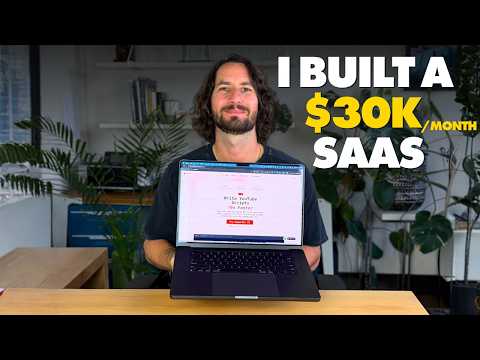
- Vibe coded Subscriber, an AI app making over $30,000 per month.
- Started coding when he was 15.
- Worked as a freelance software developer by college.
- Dropped out of college early and continued in software development.
- Started over after being affected by Hurricane Katrina and moved to New York City.
- Co-founded Squidoo, a social publishing platform that grew to over $10 million in revenue.
- Consulted after Squidoo was acquired.
- Built and sold a crypto accounting company after identifying that there was no QuickBooks-like solution for businesses using crypto.
- Raised millions of dollars from VCs for the crypto company before selling it.
- Chose bootstrapping for Subscriber because he wanted a change after the VC-backed route.
-
Subscriber
- Is an AI script-writing tool for YouTube creators.
- Targets creators who need better YouTube scripts, including people working on faceless YouTube channels.
- Solves the bottleneck Gil found when trying to find good script writers.
- Uses a SaaS subscription model.
- Offers plans from $49 to $300 per month.
- Was profitable from day one.
-
Metrics and Financials
- Makes around $30,000 per month in subscription revenue.
- Generated over $700,000 in sales in the past year.
- Has over 4,000 customers.
- Gets over 30,000 monthly views from Google through programmatic SEO campaigns.
- Made the first $20,000 before the product was built through a pre-sale.
- Spends about $3,500 per month on AI compute.
- Spends about $2,000 per month on ads.
- Spends about $1,500 per month on web scraping, hosting, and user emails.
-
Idea Discovery and Validation
- Started posting YouTube videos about ideas for the next company he wanted to build.
- Became interested in faceless YouTube channels.
- Built a team and discovered script writing was a major bottleneck.
- Tried ChatGPT and found it was not good enough for the scripts he wanted.
- Bet that his entrepreneurship and software experience could help him build a better solution.
- Created a new X account with zero followers and followed people in the YouTube space.
- Made free resources and viral giveaways on X to provide value.
- Built an email list of over 1,000 people.
- Emailed the list weekly with new findings.
- Reached out individually to discuss the app idea and gather feedback.
- Mocked up the product and launched a pre-sale to validate demand.
-
Pre-Sale Strategy
- Sold 50 lifetime software licenses before the product existed.
- Used a low starting price and increased the price every 10 licenses.
- Created urgency for early adopters through the rising price structure.
- Sold out within two or three days.
- Promised delivery within 60 days.
- Offered buyers a money-back guarantee at any point before delivery and for two weeks after trying the product.
- Used the pre-sale as proof that people would pay instead of relying on opinions or hypothetical purchase intent.
- Believes founders should sell painkillers, not vitamins.
-
Pre-Sale Playbook
- Build an audience first because people buy from people and brands they trust.
- Share raw build-in-public stories, thought processes, and useful free resources.
- Set up an email list and communicate at least once per week.
- Use email replies as a dialogue for feedback and idea improvement.
- Calculate what validation should look like.
- Determine how much money is needed to fund focused build time.
- Estimate the number of buyers needed at the target price point.
- Work backward from expected conversion rates to the required email list size.
- Run an aggressive pre-sale sequence.
- Send daily emails for seven days.
- Tease benefits before revealing details.
- Emphasize emotional outcomes, not only features.
- Queue multiple launch-day and deadline reminders.
- Stay visible across social channels during the sale.
- Create an offer strong enough that people want to say yes.
- Use a money-back guarantee to reduce risk for early buyers.
-
Tech Stack and Growth Channels
- Uses Claude Code for about 90% of the code.
- Keeps the app simple with Laravel.
- Hosts on DigitalOcean.
- Uses AI model providers as the main external dependency.
- Acquires customers through word of mouth, social media, and programmatic SEO.
-
Lessons and Advice
- Do not fall in love with an idea before validating that people will pay for it.
- Collecting money is stronger validation than asking people what they think or what they might pay.
- Focus on profit as a bootstrapper.
- Avoid letting expenses, agencies, or scattered product directions creep into profit.
- Prefer profit over growth in the bootstrap game.
- Gil said bootstrapping is more fun than VC-backed startups.