Predictive History
Read bullet-point summaries of Predictive History on civilization, great books, geopolitics, game theory, religion, empire, and literature.
Episodes
-

Global Meet-Up #2 (Los Angeles): The "End of the World" US Tour
Professor Jiang delivers the first stop of his "End of the World" global tour at the Kinn in Venice, California, framing the talk as a framework for
-

Global Meet-Up #2 (New York City): The Eschatology of Capitalism
Professor Jiang delivered a lecture in New York City on August 15, 2026, arguing that the war in Iran is not a traditional geopolitical conflict but an
-

Emergency Discussion #2: The Blackmailing of Spain
This emergency Zoom discussion from August 1, 2026 analyzes the sudden influx of 50,000–60,000 migrants (mostly young men) from Morocco into Ceuta, a Spanish
-

Emergency Discussion #1: Spain Wins World Cup, US Plans Ground Invasion of Iran
This July 20, 2026 Zoom discussion features Professor Jiang analyzing two major current events — Spain's 1–0 World Cup victory over Argentina and the escalating
-
Live with Predictive History #2: US-Iran War, World Cup
This is the second monthly live stream from Predictive History, hosted from Beijing, covering the past week's major geopolitical events with audience Q&A.
-

Global Meet-Up #1 (Tokyo): Japan's Geo-Political Outlook
Professor Jiang delivered a three-hour talk in Tokyo on July 14, 2026, arguing that East Asia is becoming the world's third major geopolitical flashpoint after
-

Substack Founding Members Livestream #2
This episode is a Zoom Q&A session with founding members of the host's Substack, covering geopolitical analysis of the Iran war and Europe's fate, education
-
Dante #12 (Final): Purgatory Cantos 26-33
This is the final session of a 12-day seminar on Dante's Divine Comedy, covering the last cantos of Purgatorio (Cantos 26–33), in which Dante reaches the top of
-
Dante #11: Purgatory Cantos 15-25
This episode is a seminar-style class continuing a deep reading of Dante's Purgatory (Cantos 15–25), the second part of the Divine Comedy. The instructor guides
-
Dante #10: Purgatory Cantos 5-14
The lecture centers on Aristotle's idea that tragedy imitates "an action that is serious, complete, and of a certain magnitude," and Heraclitus's maxim
-
Dante #8: Hell Cantos 20-32
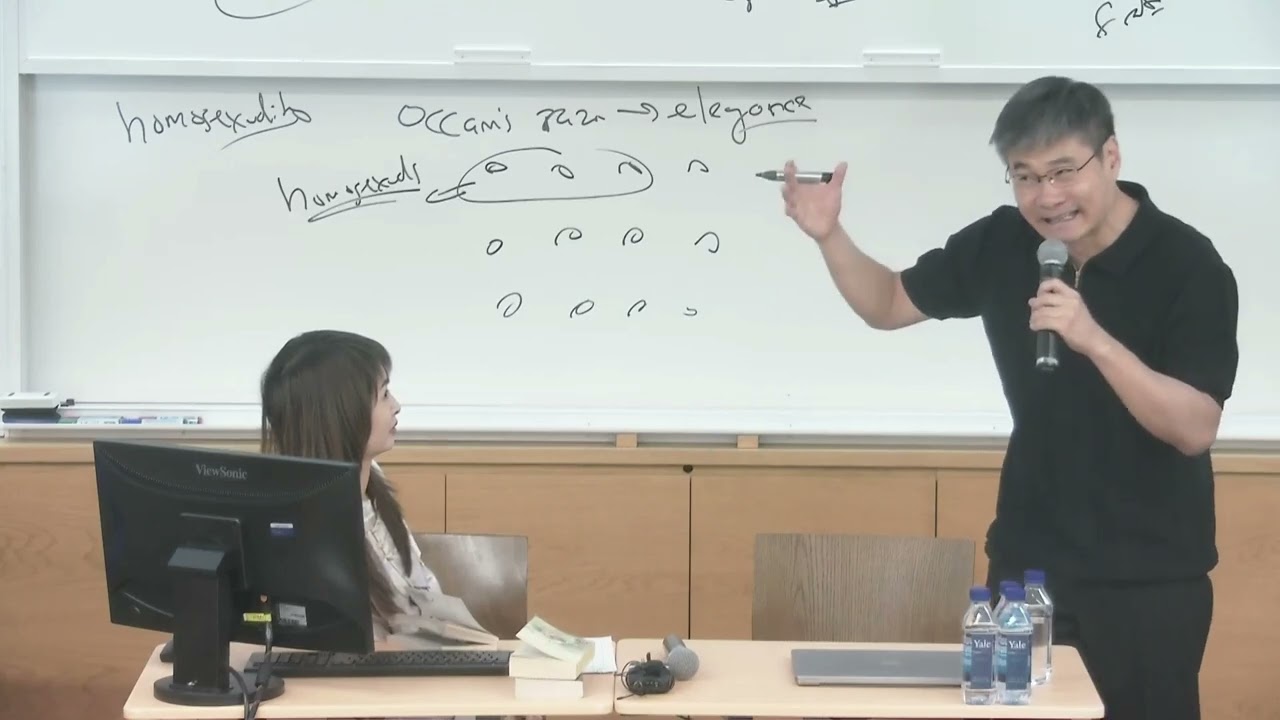
This session continues a seminar on Dante's Divine Comedy, focusing on Inferno Cantos 20–32, while clarifying earlier points on pride versus ego, the sin of
-
Dante #9: Hell Cantos 32-34, Purgatory Cantos 1-4
This session continues a close reading of Dante's Divine Comedy, moving from the frozen ninth circle of Inferno (Canto 32–34) into Purgatory (Canto 1–4). The
-
Dante #7 Hell Cantos 10-19
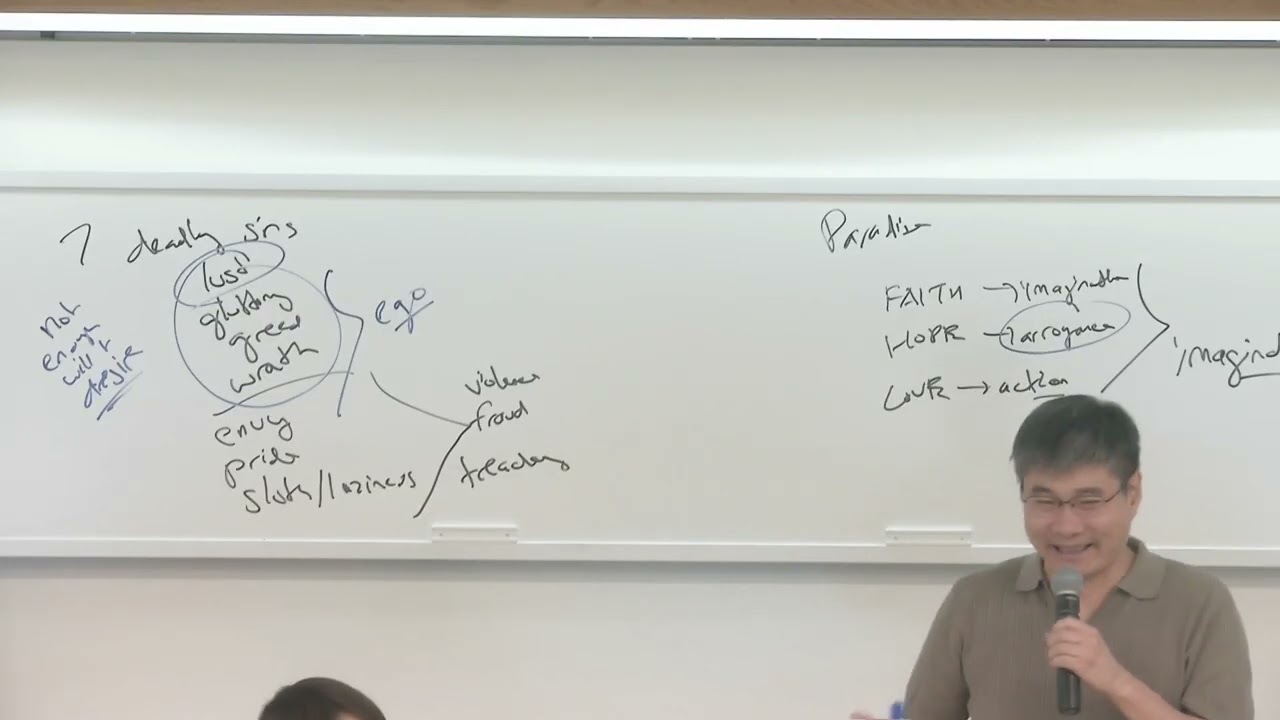
This lecture continues a close reading of Dante's Inferno, focusing on Cantos 10–20, while developing a broader interpretive framework: Dante is not merely
-
Dante #6
This is a seminar session on Dante's Divine Comedy, moving from Paradise into Inferno, with close reading, discussion, and comparative analysis of Virgil's
-
Dante #5
This seminar session covers the final cantos of Dante's Paradiso (Cantos 30–33), the climax of the Divine Comedy, and then circles back to the beginning of
-
Dante #2
This episode is a live continuing lecture in a two-week class on Dante's Paradise (the third book of the Divine Comedy), led by a high-school teacher guiding
-

Dante #3
This session of a live-streamed, free Dante seminar, taught from Beijing and focused on the Paradiso, explores how Dante reimagines the virtues of faith, hope
-
Dante #4
This seminar session covers the final cantos of Dante's Paradise (Cantos 24–33), presented as Dante's "will and testament to humanity." The instructor frames
-
Dante #1: Paradise Cantos 1-5
This is the first session of a two-week workshop on Dante's Divine Comedy, led by Professor Jiang at Yale Center Beijing. The class begins not with Inferno but
-
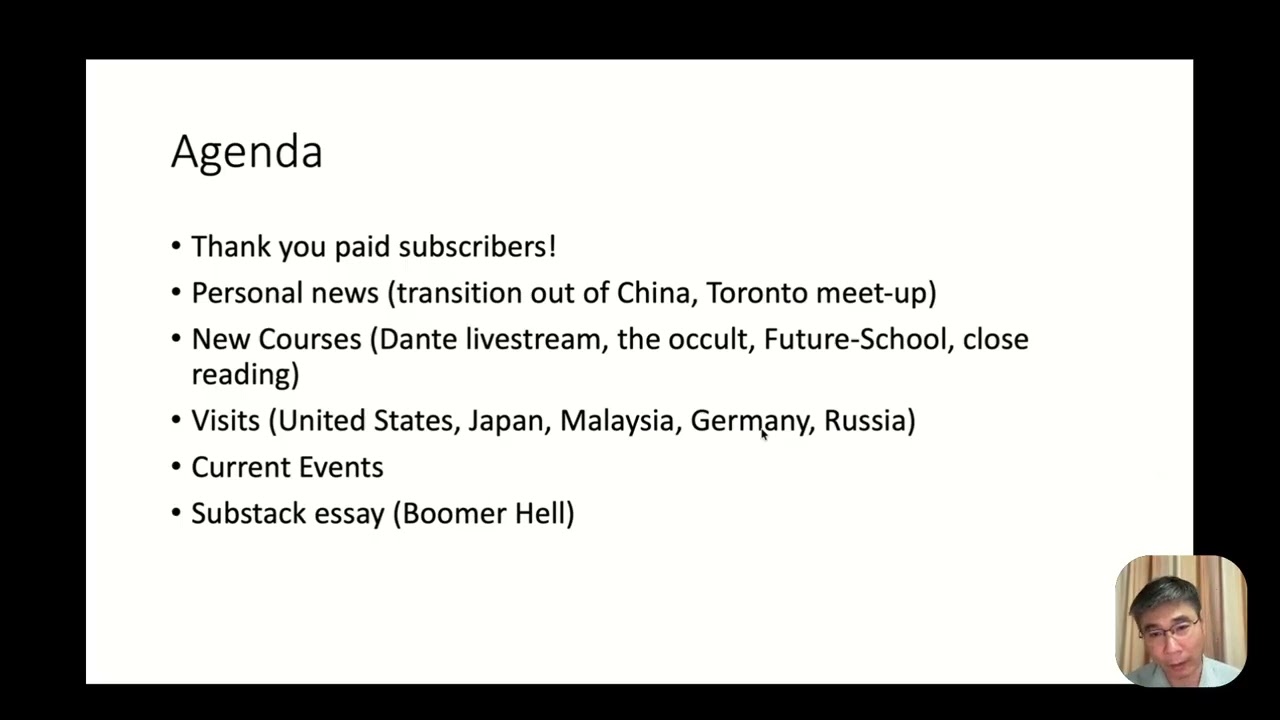
Live with Predictive History
This is the first paid-subscriber live stream from a former academic (turning 50 soon) who left his teaching job in China to become a full-time independent
-

Predictive History Founding Members #1
This is a live stream from Predictive History, where the host walks through his real-time process of analyzing news, using game theory and open-source
-
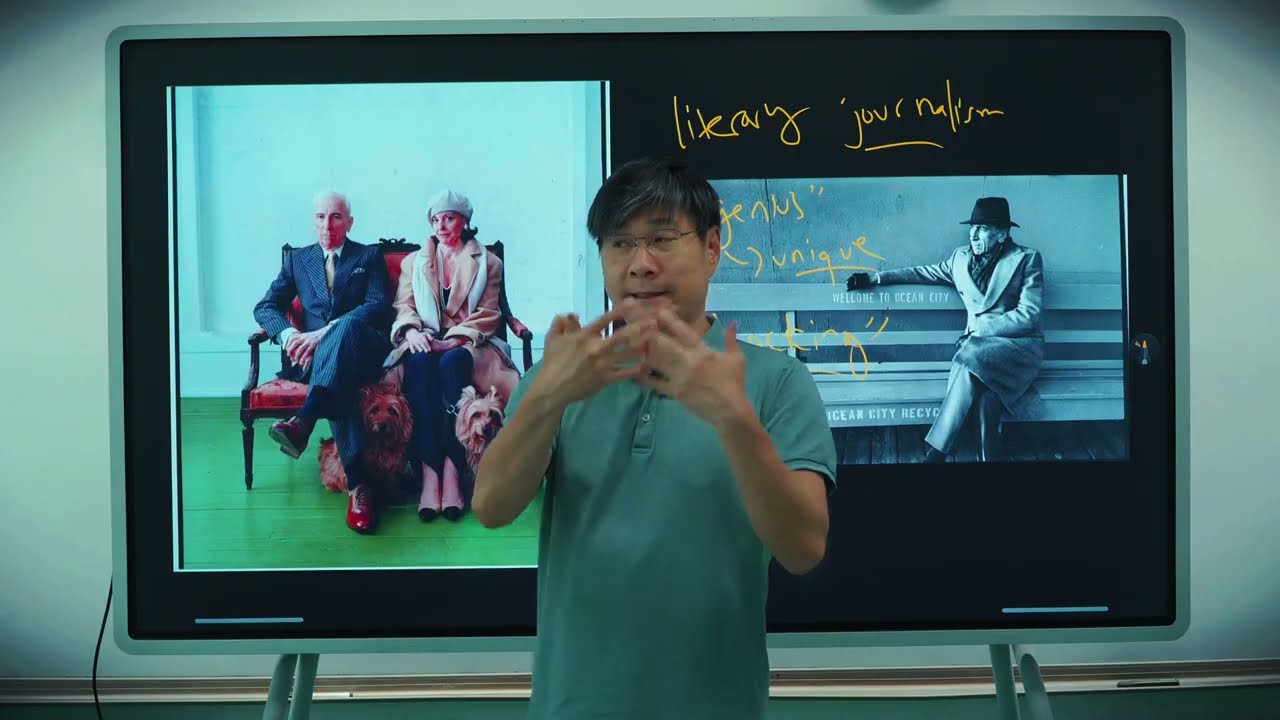
Great Books #13: Gay Talese's Sparks of Light
Gay Talese is a 94-year-old literary journalist widely considered the greatest American journalist of his generation, known for immersive, empathetic profiles
-
Game Theory #29: Final Examination
This is the final examination session of a year-long game theory course taught by Professor Jung, who is leaving the school to focus on building a global
-
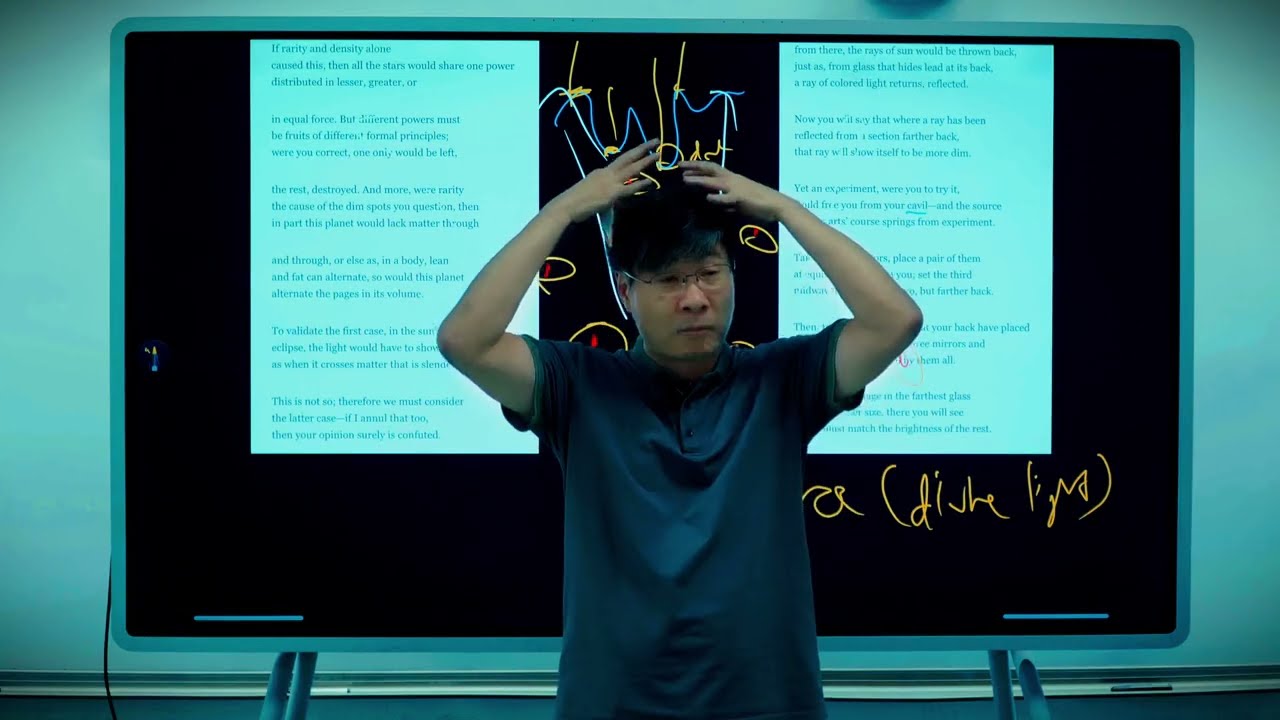
Great Books #12: Dante in Paradise
Dante's Divine Comedy is presented as the third pillar of Western civilization, following Homer's Iliad and Odyssey and Virgil's Aeneid, and is credited with
-
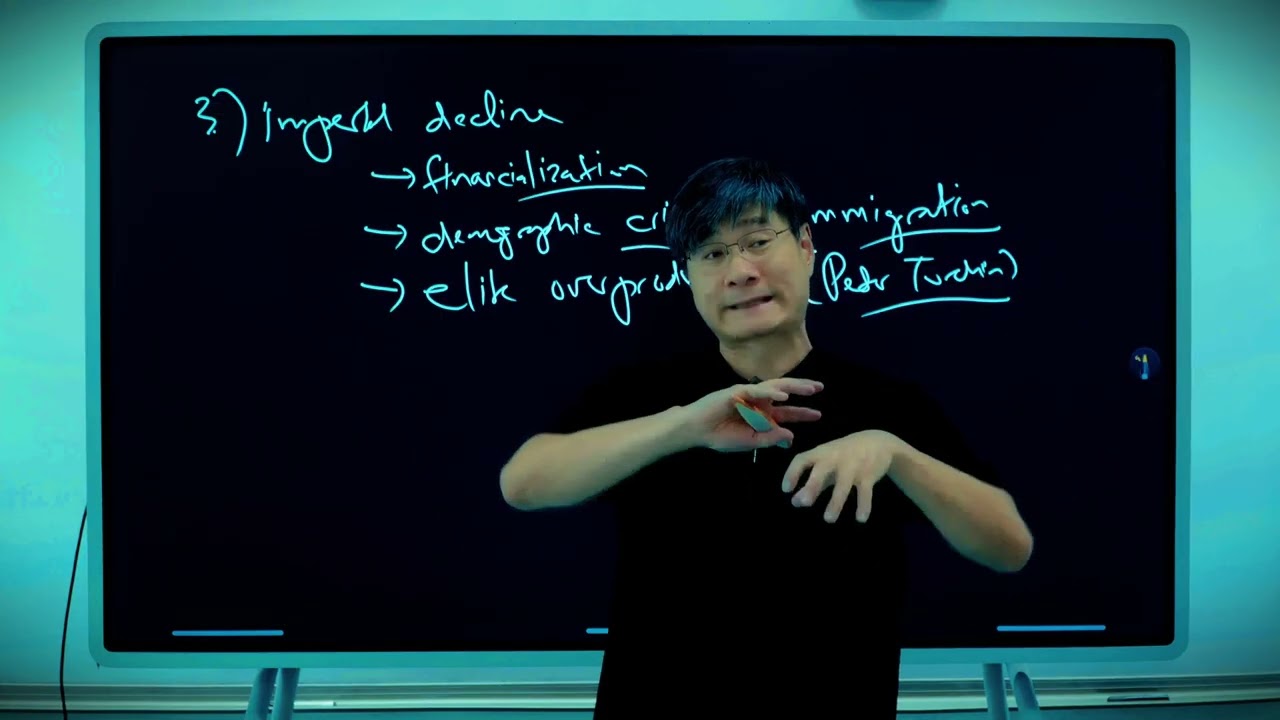
Game Theory #28: Predictive History
This lecture serves as a final review for a course on predictive history, synthesizing the semester's material into a unified framework for understanding why
-
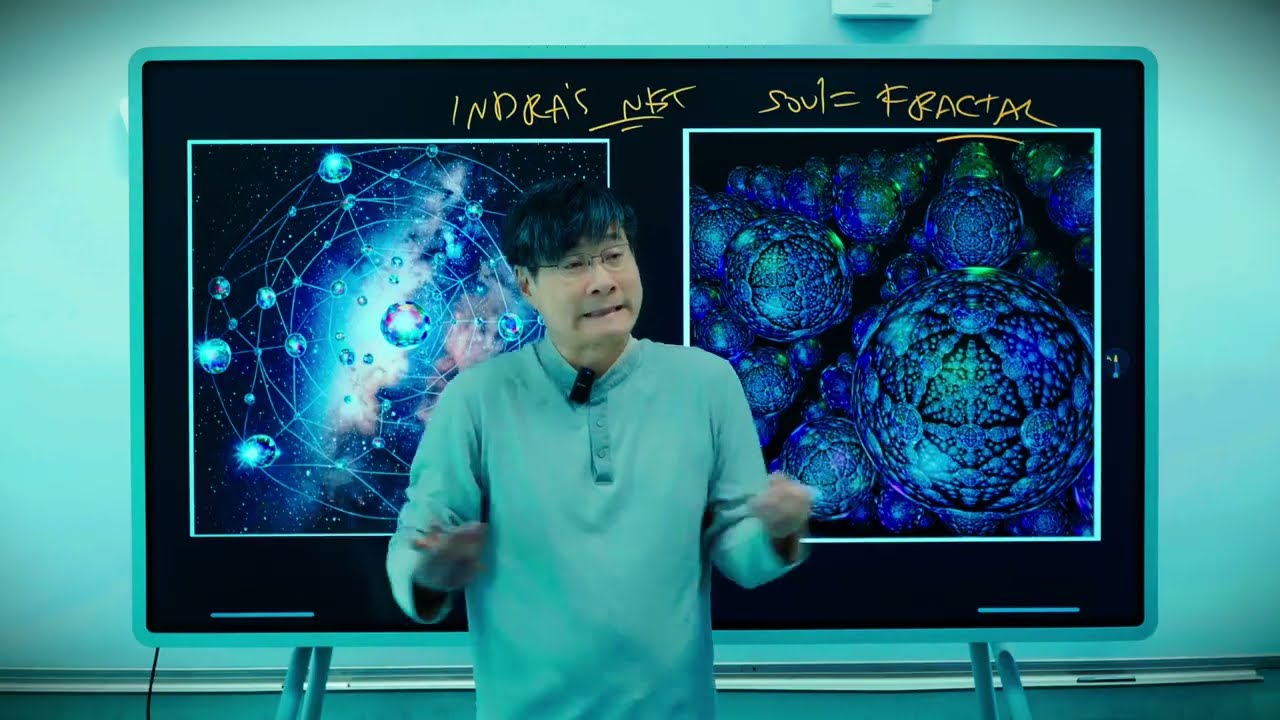
Great Books #11: Dante's Revolution
Dante's Divine Comedy is presented as the most influential work in European literature because it launches the intellectual and spiritual shifts that lead to
-
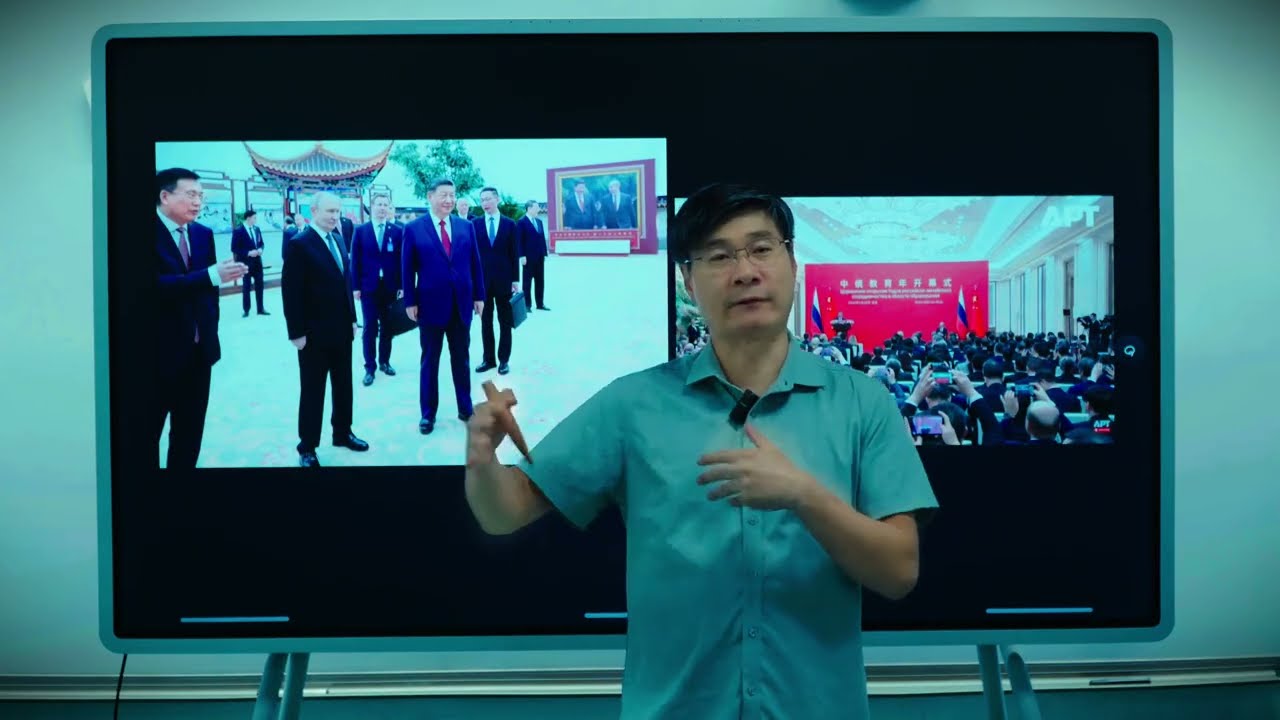
Game Theory #27: Putin Enters the Chat
This lecture analyzes Vladimir Putin's visit to Beijing and the broader strategic dynamics between Russia, China, and the United States, arguing that the
-
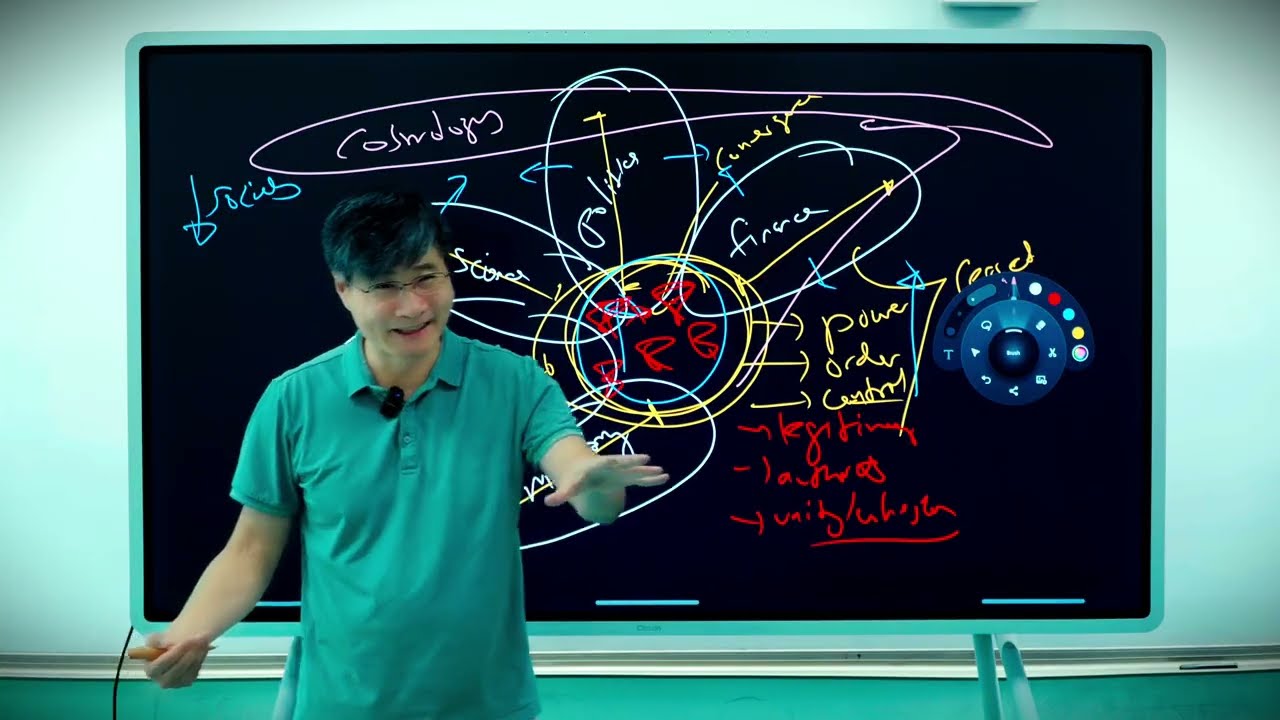
Game Theory #26: The Holy Empire of AI
This lecture connects last semester's study of secret societies and eschatology with this semester's focus on game theory, arguing that popular conspiracy
-
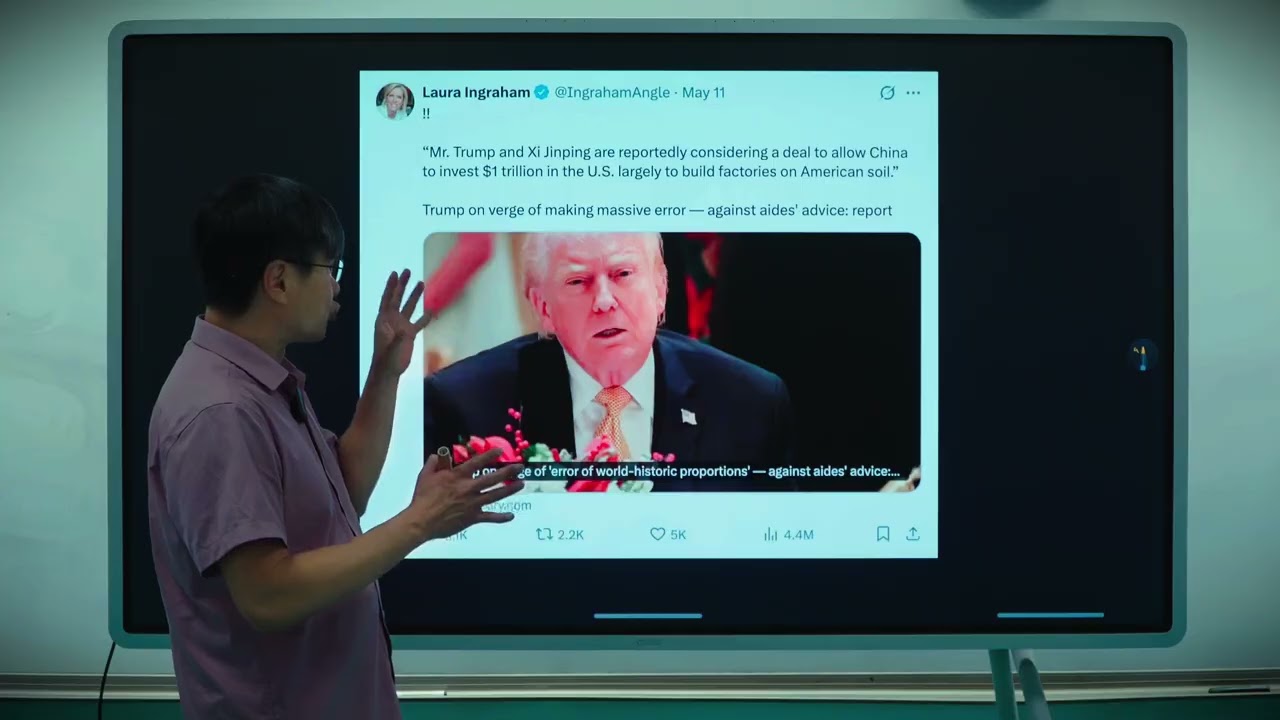
Game Theory #25: Trump Visits China
On May 14, 2026, President Trump visited Beijing and met with President Xi Jinping at the Great Hall of the People — the first visit by a U.S. president since
-
Game Theory #24: The AI Apocalypse
This episode is a lecture that begins with the host reading and responding to a critical email from his friend and former professor, David Brahmitch, who
-
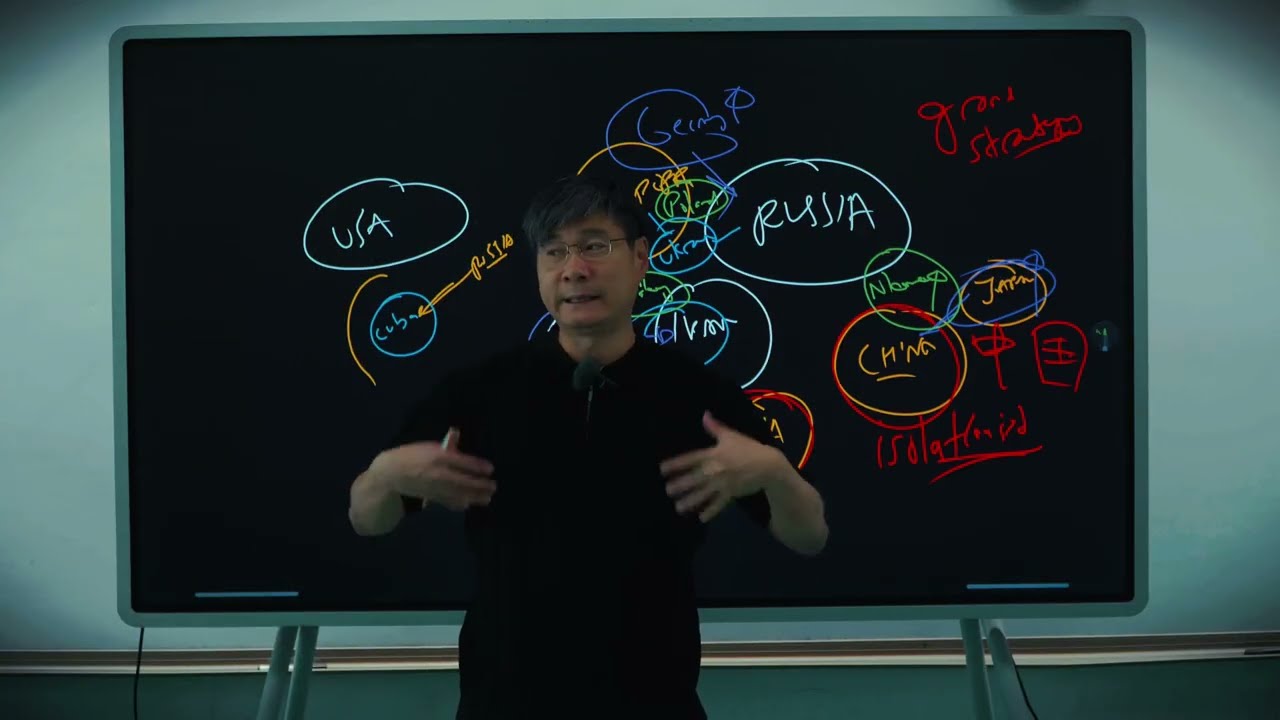
Game Theory #23: The WWIII Chessboard
This lecture introduces a game-theoretic framework for understanding what the instructor calls World War III, a coming global conflict driven by four major
-
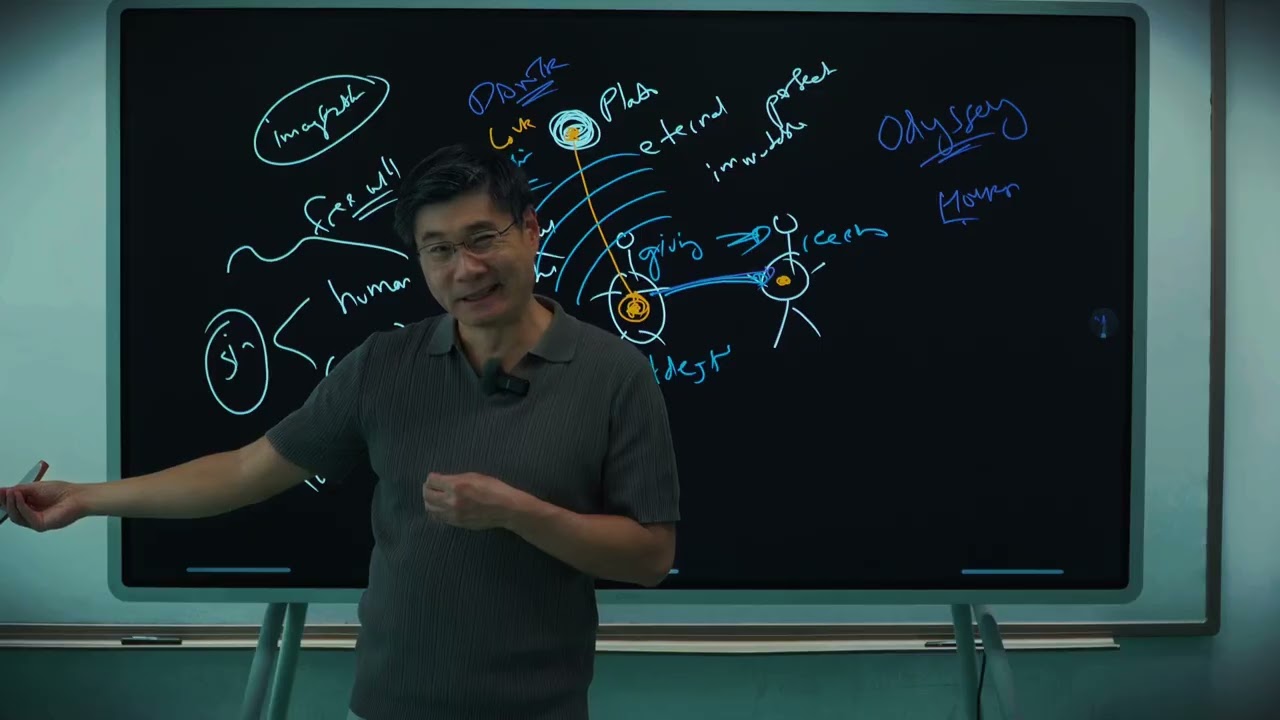
Great Books #10: Dante's Hierarchy of Hell
Dante's Inferno constructs a vision of hell that is not a place of arbitrary punishment but a psychological and spiritual architecture built from the inside out
-
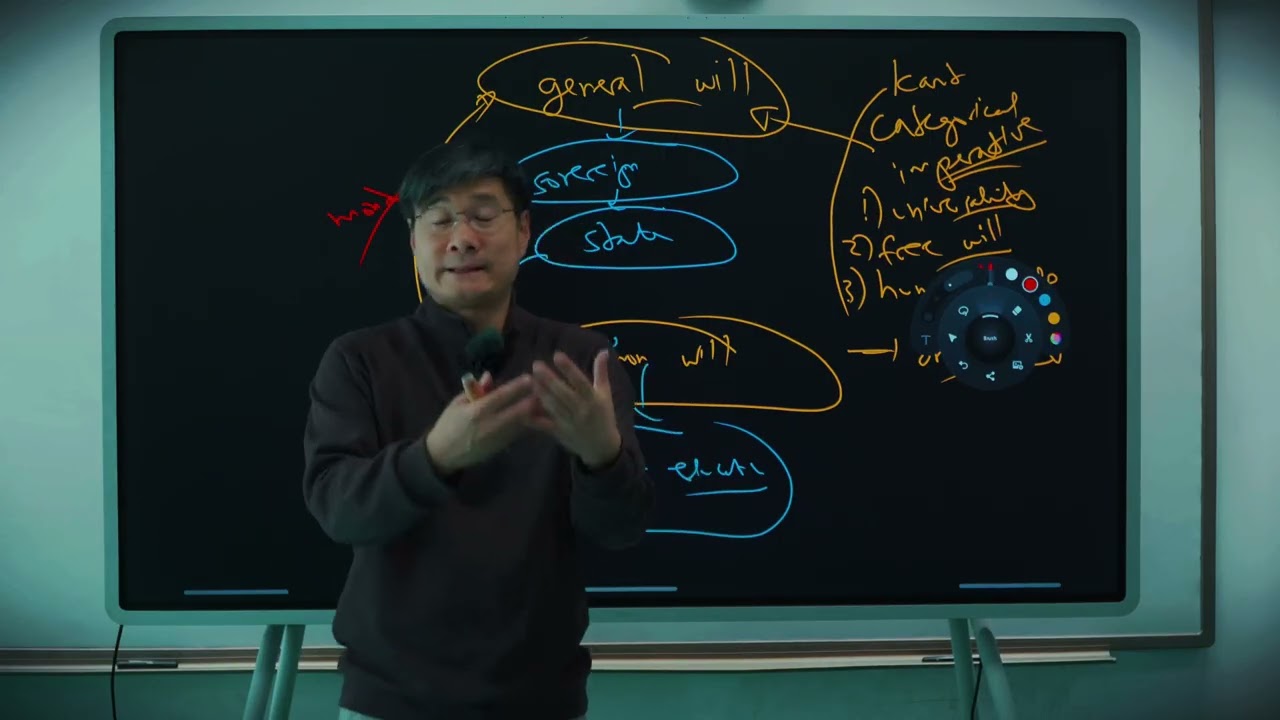
Game Theory #22: Twilight of the Nation-State
The US-Iran conflict represents the first true 21st-century war, marking a fundamental shift in how wars are fought. The speaker argues that warfare has evolved
-

Game Theory #21: World War Trump
This lecture, delivered on April 21, 2026, by Professor Jiang to his Beijing high school students, analyzes the U.S.-Iran war not as an isolated conflict driven
-
Game Theory #20: Mid-Term Examination
This episode serves as a midterm examination where the host fields questions from viewers about geopolitics, game theory, and global conflict, but first
-
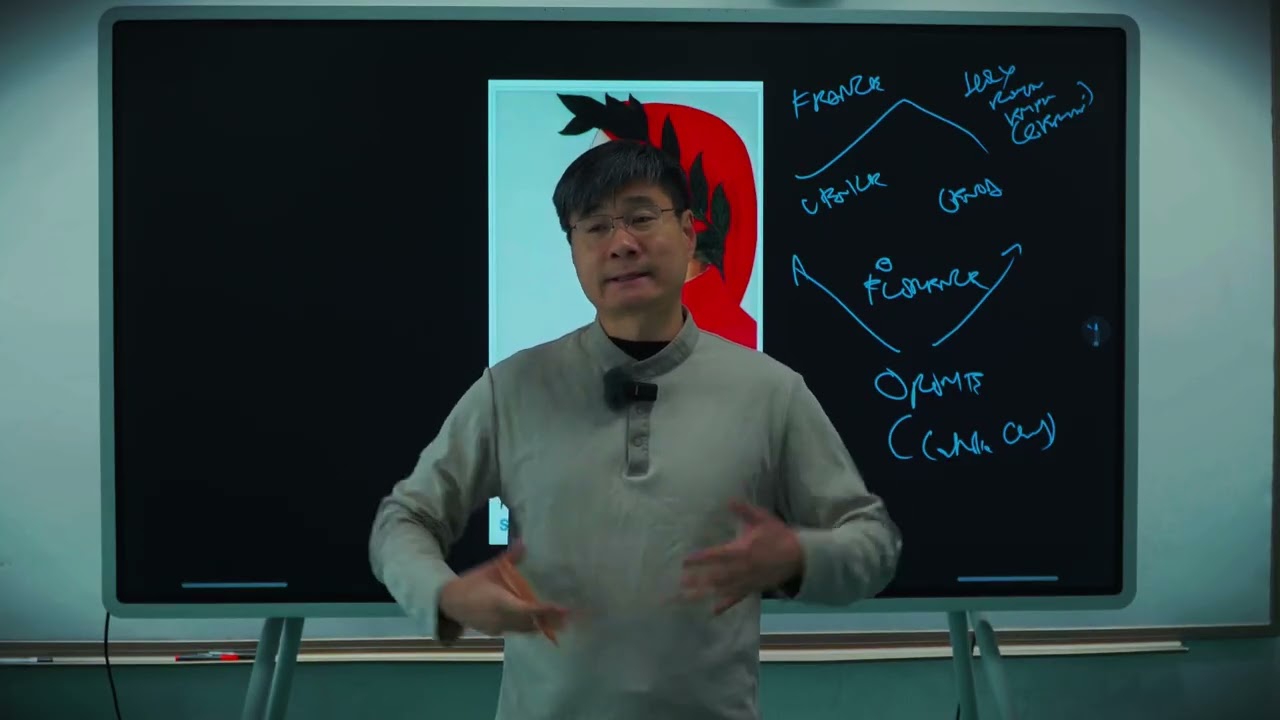
Great Books #9: Dante (Re-Upload with Audio Fixed)
The Divine Comedy as a revolutionary democratic epic
-
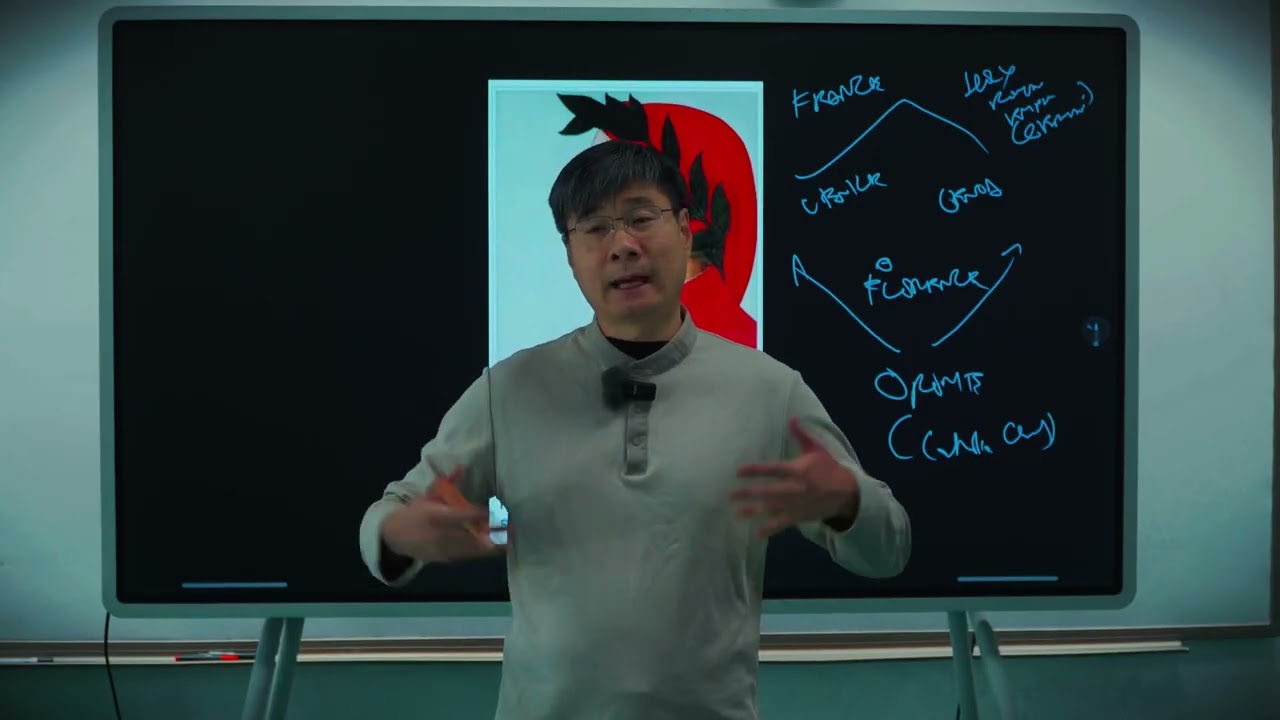
Great Books #9: Dante's La Commedia
Dante's Divine Comedy as a democratic, subversive masterpiece — Written around 1300 in Tuscan Italian rather than Latin, La Commedia (Dante deliberately called
-
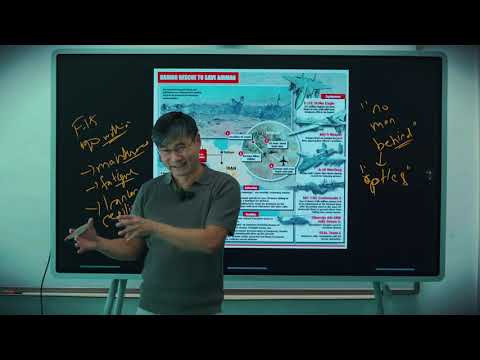
Game Theory #19: The Hollywood-Pentagon Complex
This lecture, delivered on April 7, 2026, by Professor Jiang to his Beijing high school students, analyzes the escalating US-Iran war and argues that America's
-

Game Theory #18: Trump World Order
Professor Jiang presents a game-theory interpretation of Donald Trump's foreign policy in early April 2026, arguing that what appears to be chaotic and
-
Game Theory #17: The Great Reset
This episode argues that financial collapses are not natural or accidental but are deliberately engineered by a small group of powerful financial actors
-

Game Theory #16: Pax Judaica Rising
In this March 26, 2026 lecture to his Beijing high school students, Professor Jiang analyzes the ongoing US-Israel war against Iran and argues that the conflict
-

Game Theory #16: Pax Judaica Rising (Re-Upload)
This lecture analyzes the ongoing US-Israel war against Iran and argues that the real strategic outcome will be Israel replacing the United States as the
-
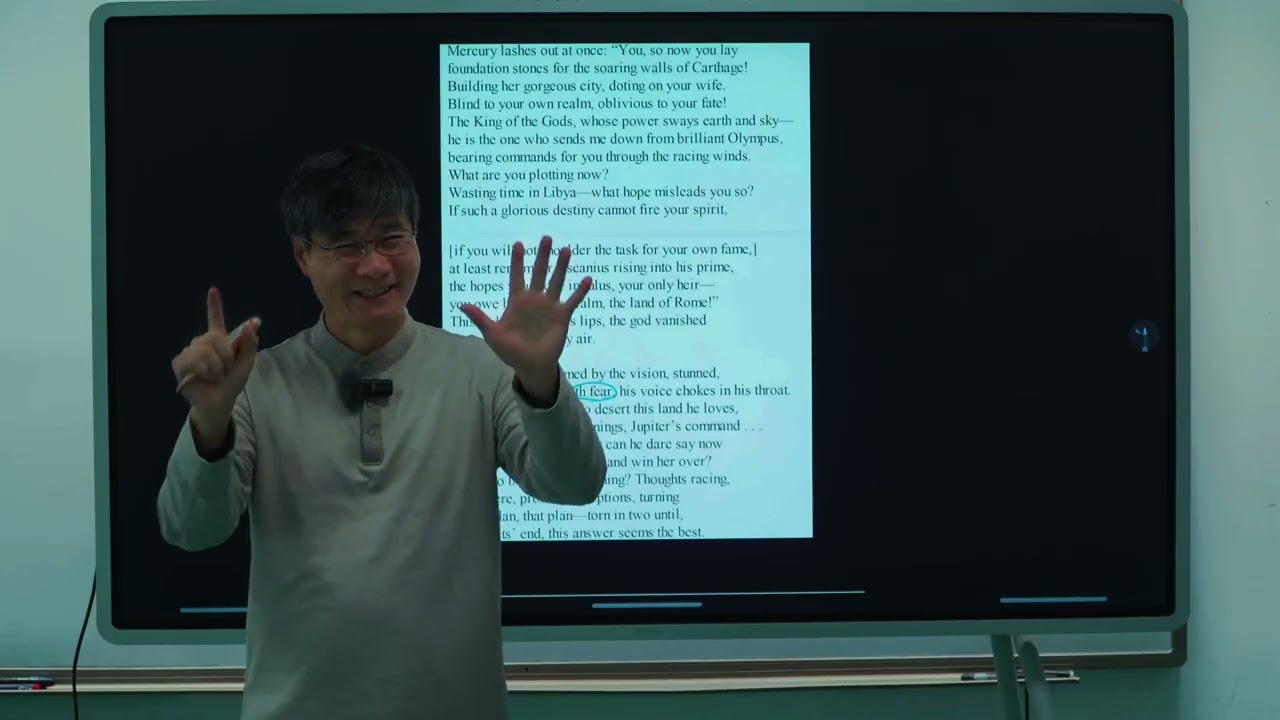
Great Books #8: The Poetry of Empire
This lecture concludes a study of Virgil's The Aeneid and transitions into Dante's The Divine Comedy, framing both as foundational "great books" that present
-
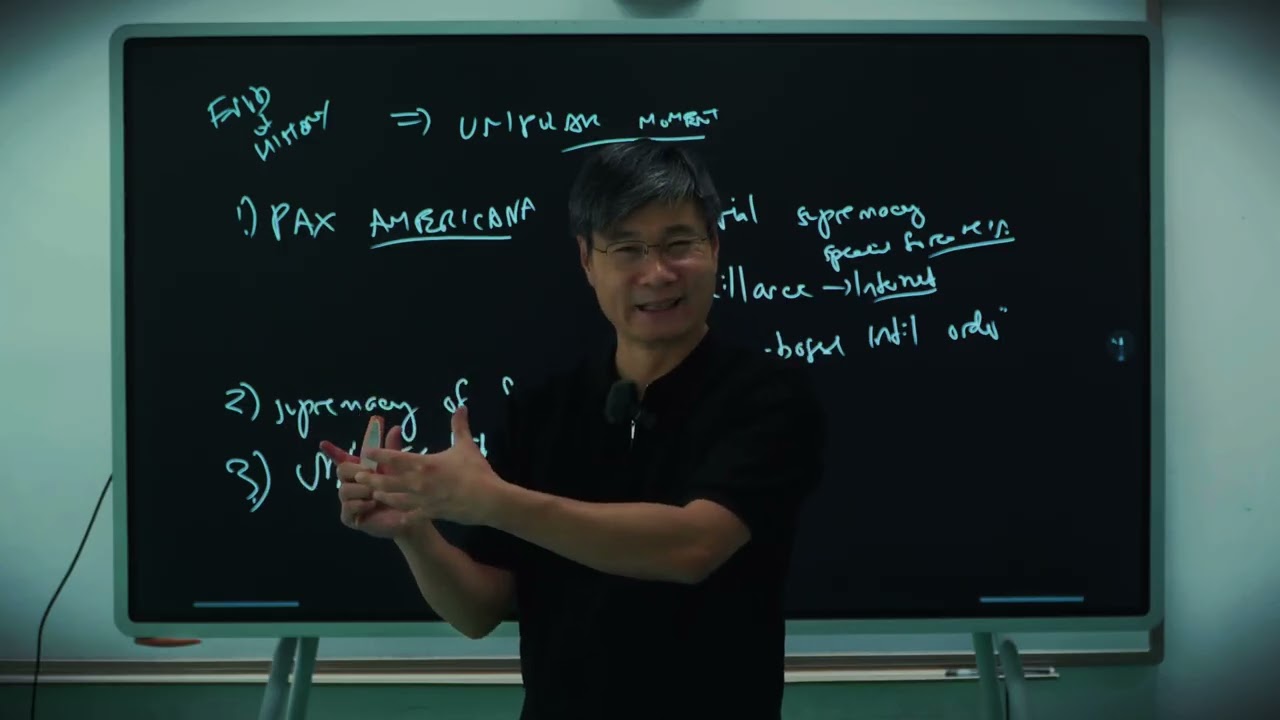
Game Theory #15: The Return of History
The episode argues that the current war against Iran marks the definitive end of the "unipolar moment" — the post–Cold War era in which American global
-
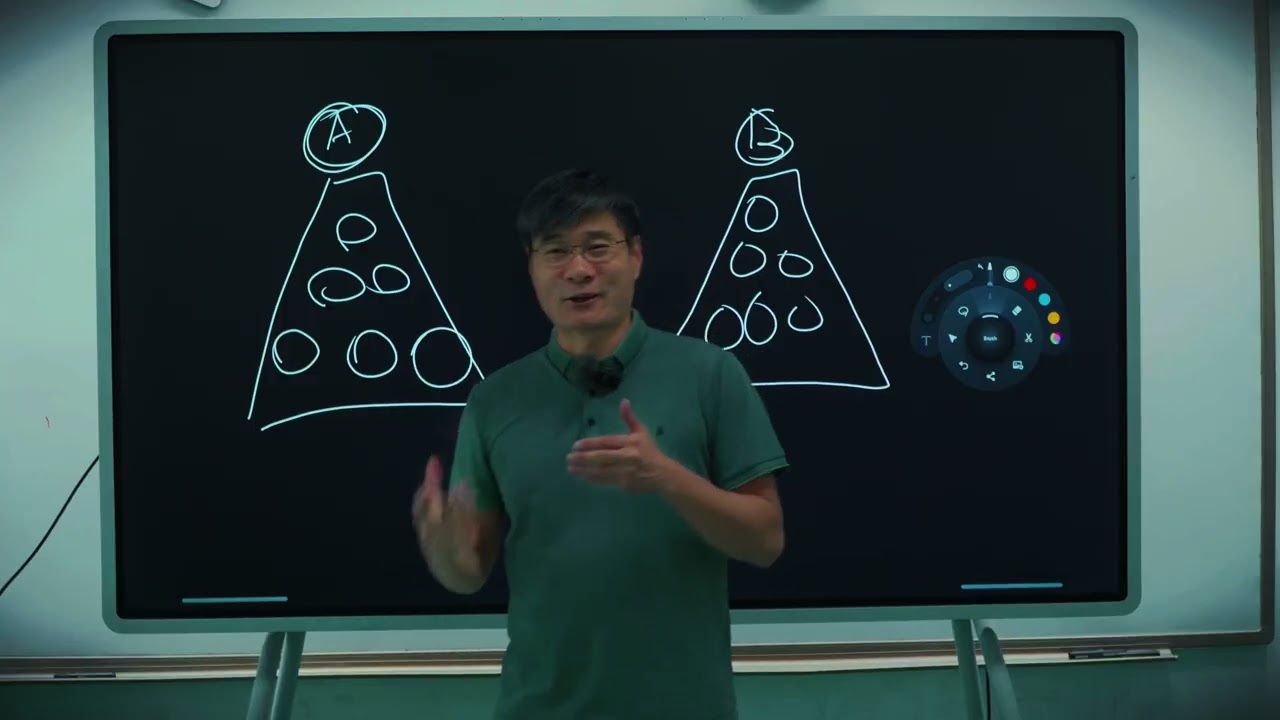
Game Theory #14: The Law of Proximity
Professor Jiang's March 19, 2026 lecture to his Beijing high school students analyzes the escalating Iran-Israel war through the lens of internal civil
-
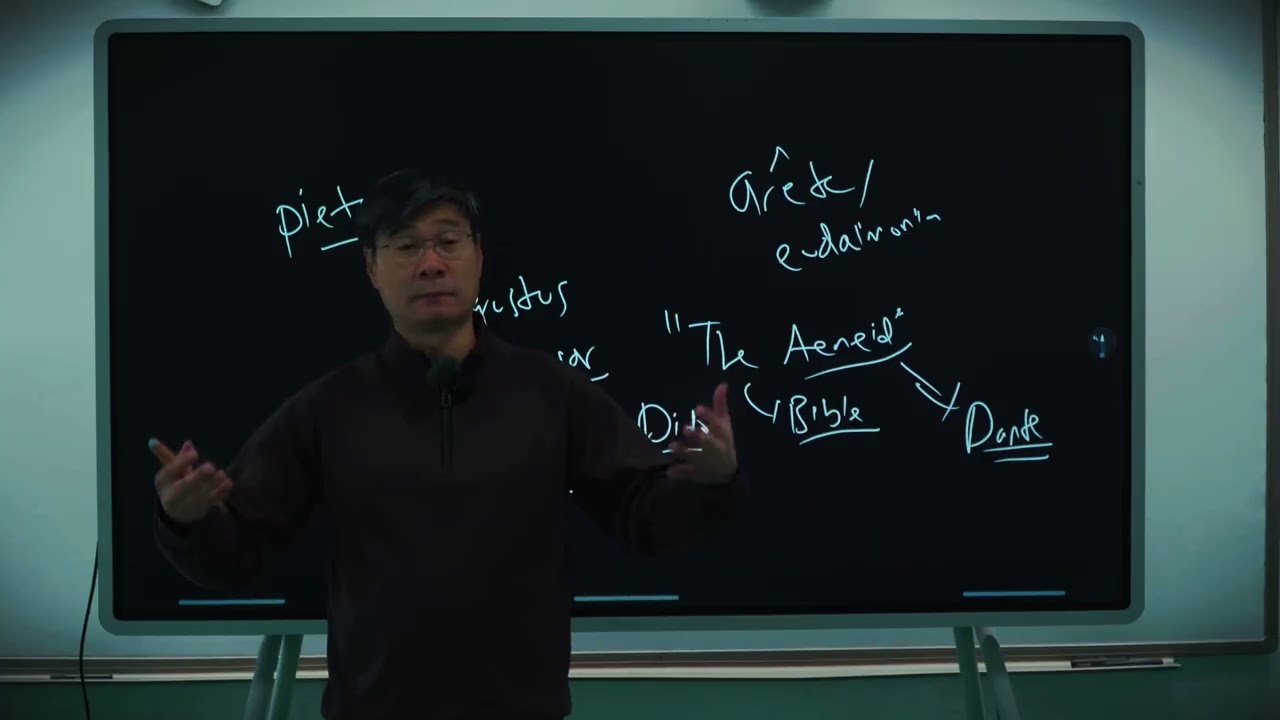
Great Books #7: The Anti-Homer
This episode introduces Virgil's Aeneid as a deliberate inversion of Homer's Iliad and Odyssey, commissioned by Augustus Caesar to replace Homer's values with
-
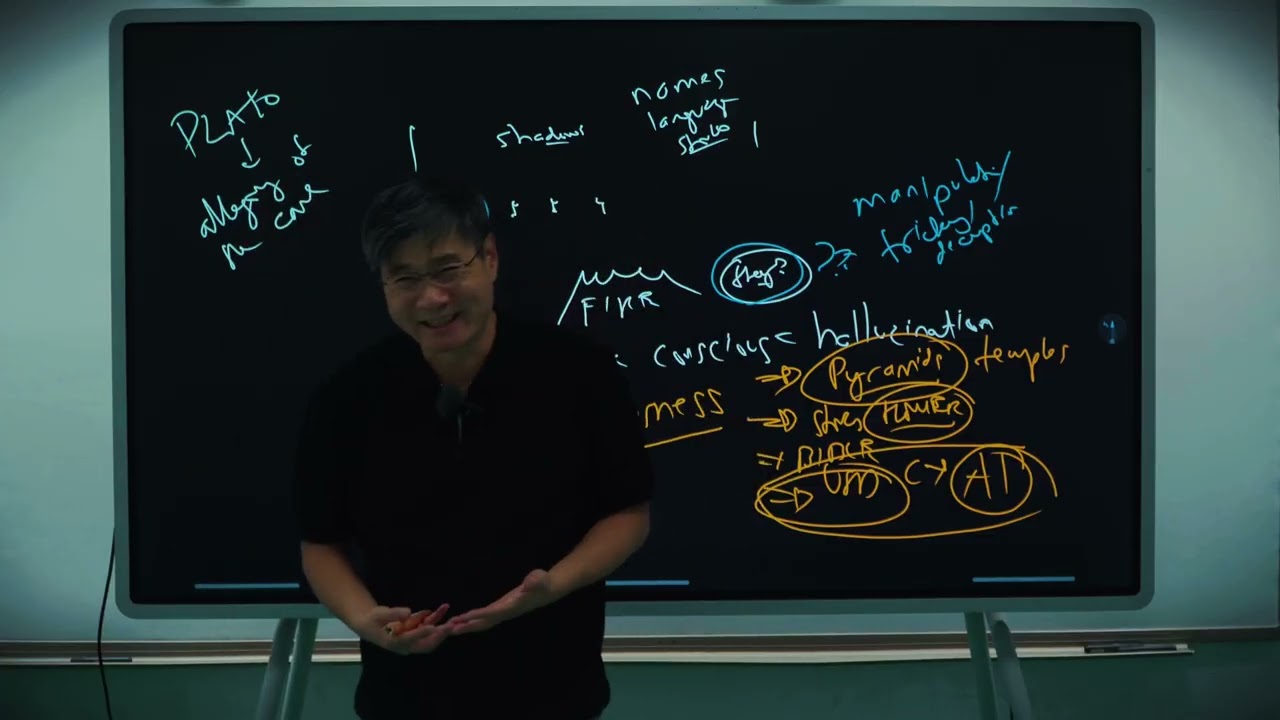
Game Theory #13: Epstein's World
Professor Jiang frames global power through Plato's allegory of the cave: humanity is chained inside a cave, watching shadows on a wall projected by a fire
-
Game Theory #12: The Law of Eschatological Convergence
Professor Jiang's March 12, 2026 lecture to his Beijing high school students argues that the US–Iran war cannot be understood through conventional geopolitics
-
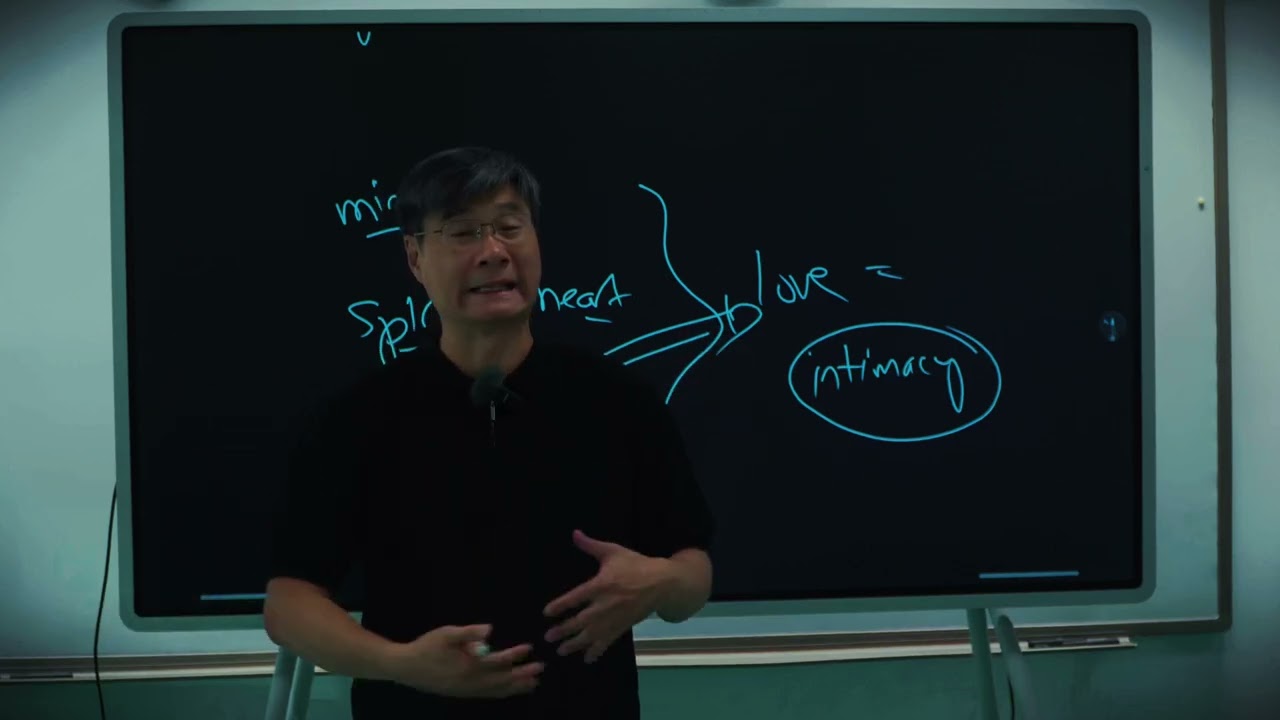
Great Books #6: The Intimacy of Love
The Odyssey concludes with the reunion of Odysseus, Penelope, and Telemachus after 20 years of separation, each suffering from depression rooted in
-
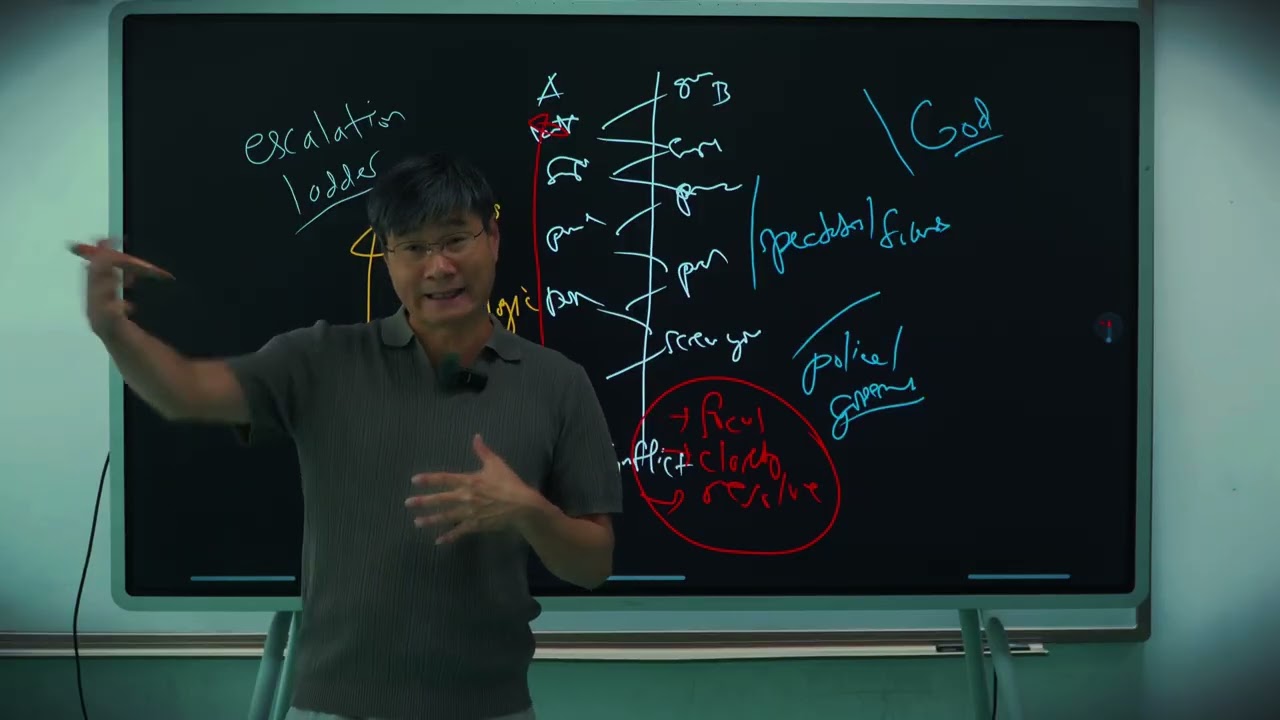
Game Theory #11: The Law of Escalation
This episode applies game theory to the ongoing US-Iran war, analyzing three pivotal questions that will shape the war's outcome and the future of the world
-
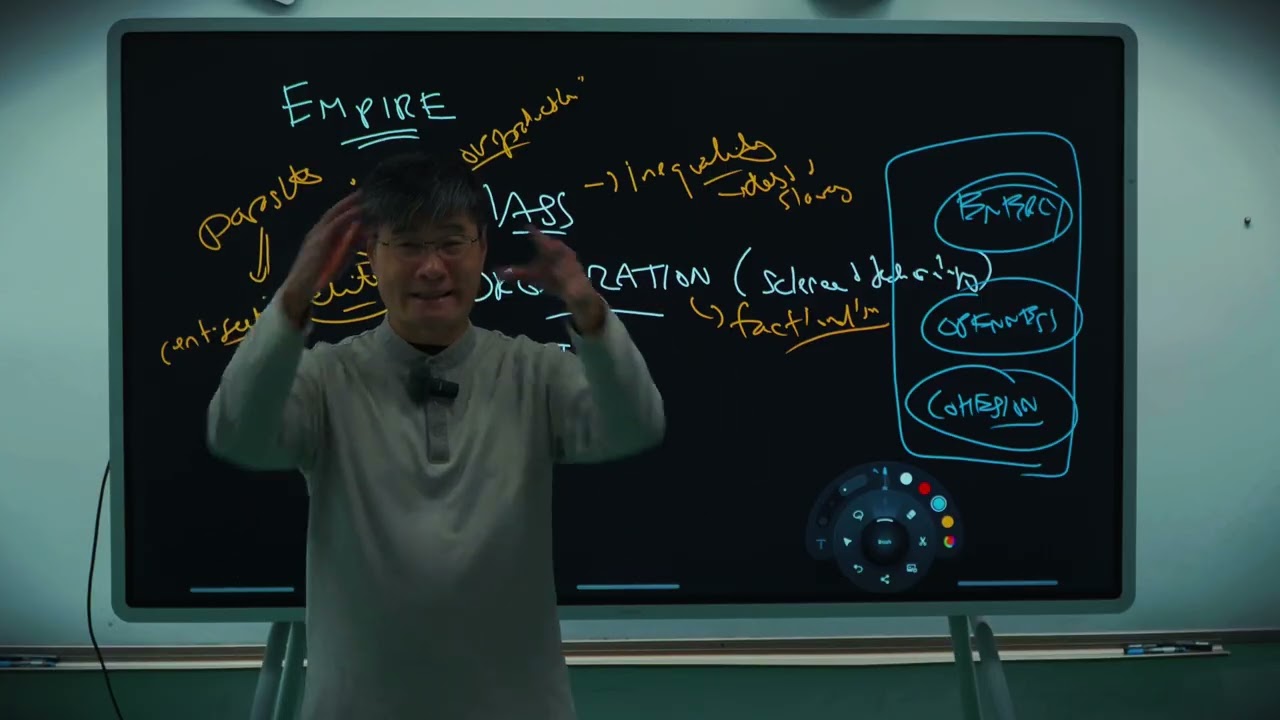
Game Theory #10: The Law of Asymmetry
This episode presents a game-theoretic framework called the law of asymmetry to argue that the United States, despite overwhelming military and economic
-
Great Books #5: The Odyssey
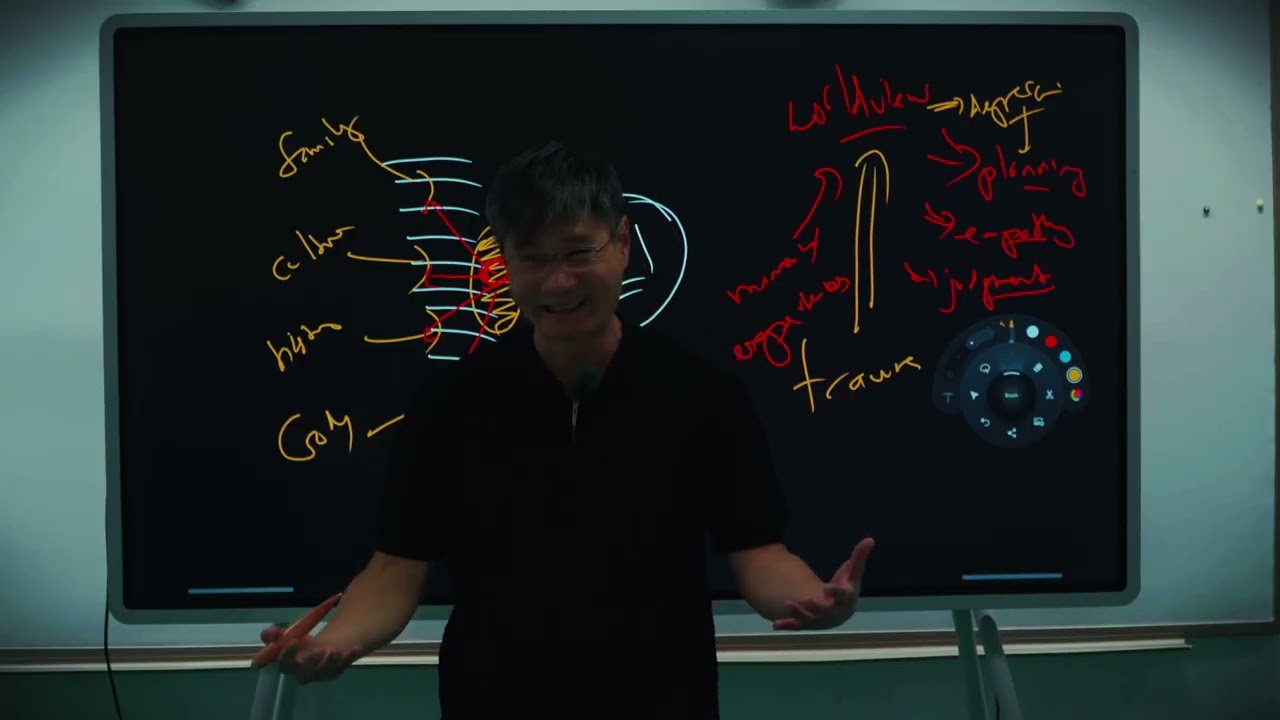
The Odyssey is a sequel to the Iliad and centers on a family shattered by the Trojan War, exploring how trauma, depression, and cognitive dissonance affect each
-
Game Theory #9: The US-Iran War
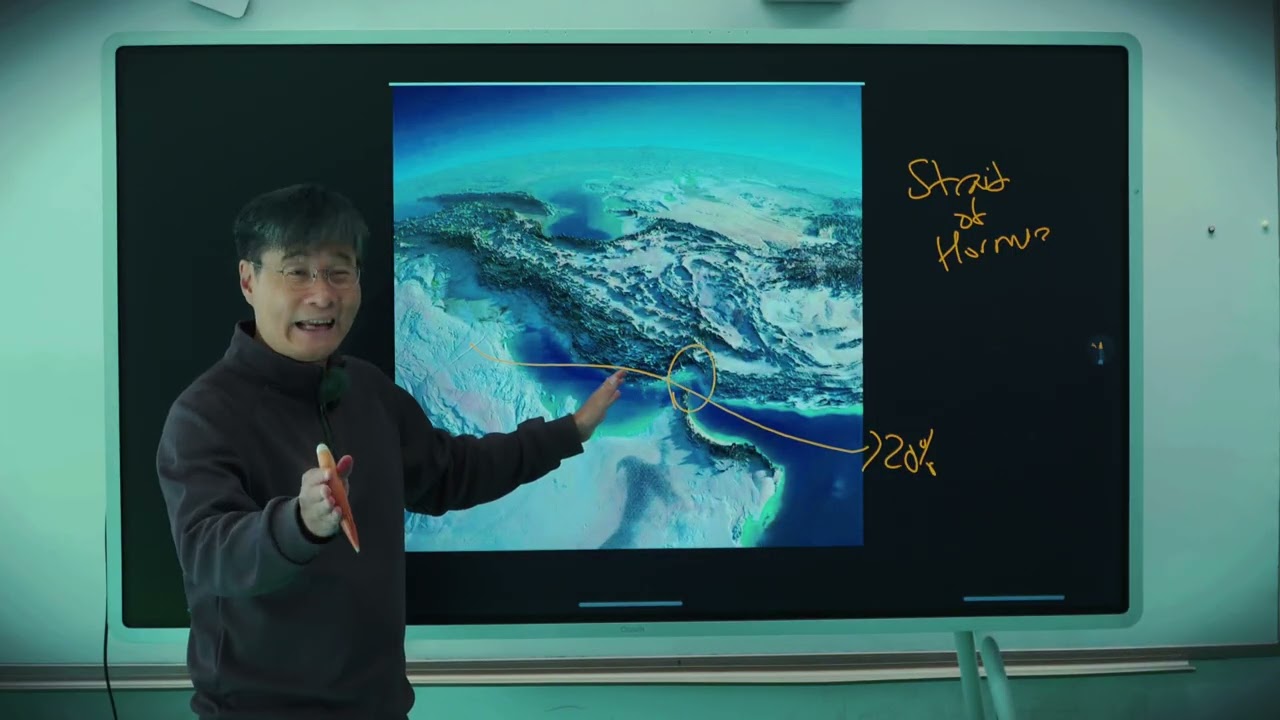
On March 3, 2026, Professor Jiang delivers a lecture analyzing the US-Iran War, which began on February 28, 2026, when the United States and Israel launched a
-
Game Theory #8: Communist Specter
The episode argues that communism and capitalism are not true opposites but are deeply similar systems that have historically worked together to destroy
-
Great Books #4: The Conscious Universe
This episode concludes a close reading of Homer's Iliad, focusing on the psychological complexity of Achilles and Patroclus, the metaphysical model of
-
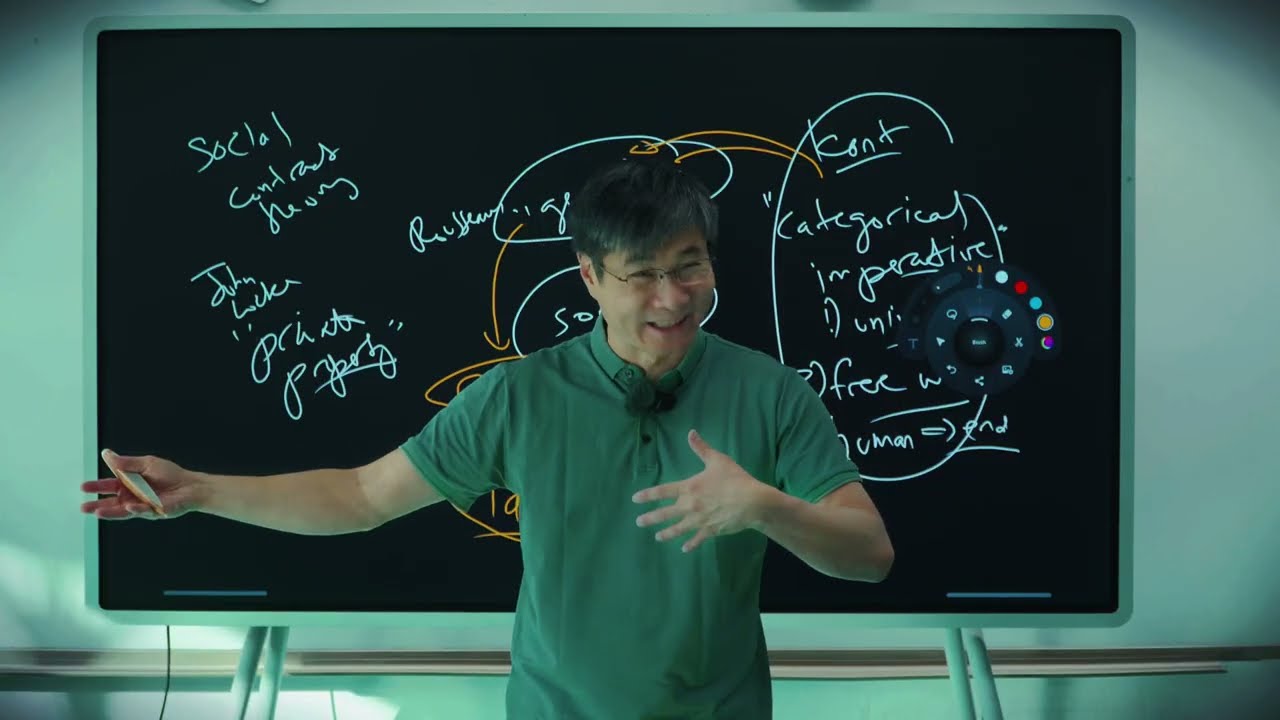
Game Theory #7: America's Game
America transformed the British imperial model into a global "game" that anyone could play, resolving the three key limitations that constrained the British
-
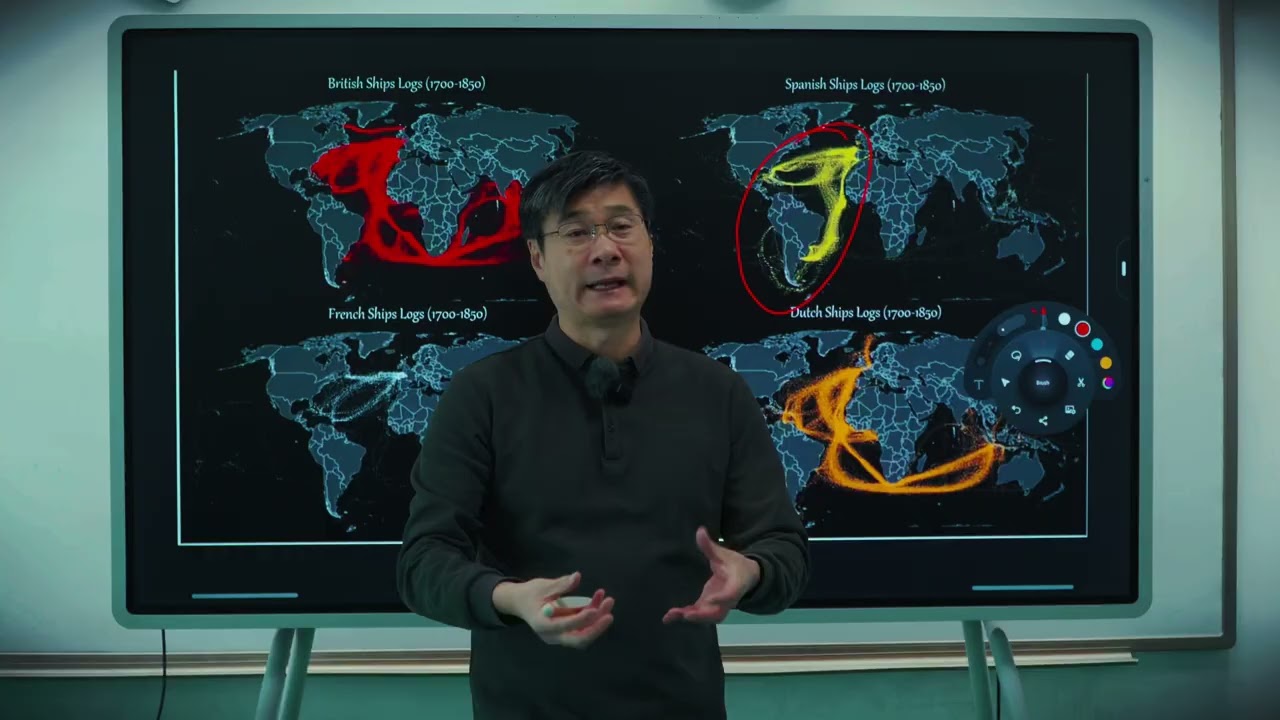
Game Theory #6: The World's Bank
The episode argues that the behavior of Chinese students—prioritizing English, chasing US dollars, and seeking to immigrate to the West—is irrational given
-
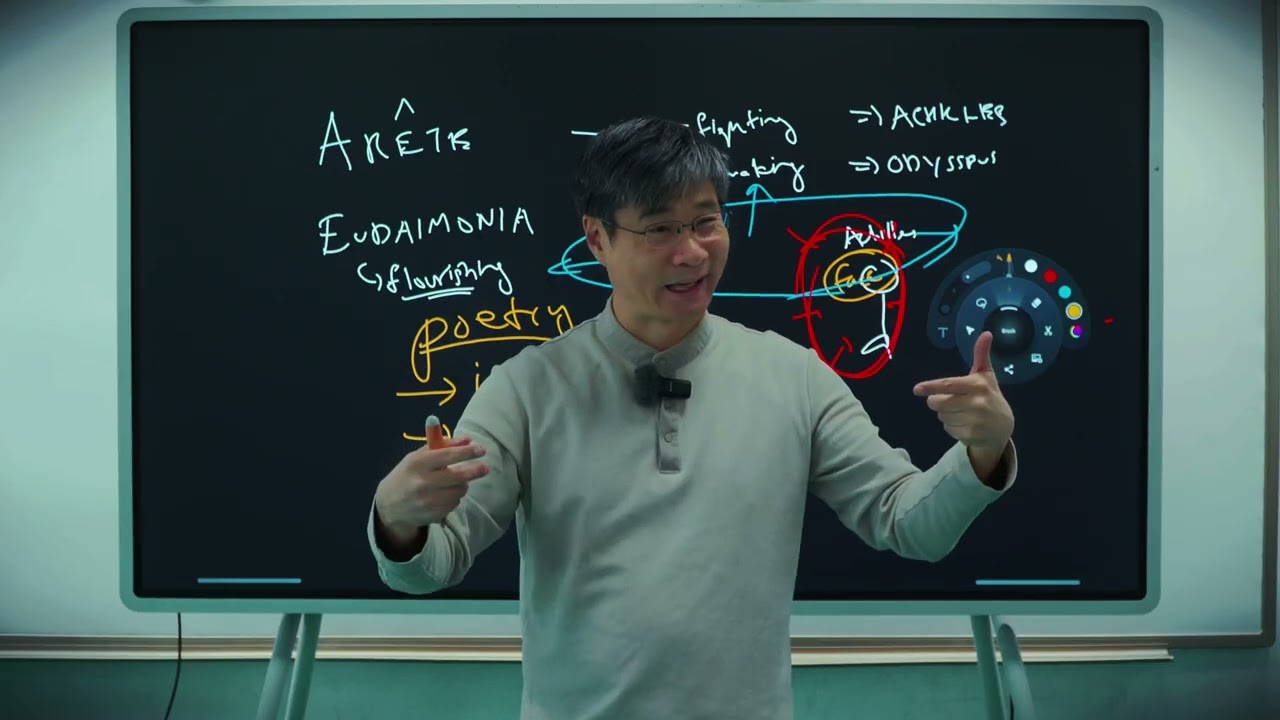
Great Books #3: Poets and Prophets
The episode explores how Homer's Iliad—a single epic poem—served as the foundation for Greek civilization and, by extension, all of Western civilization, by
-
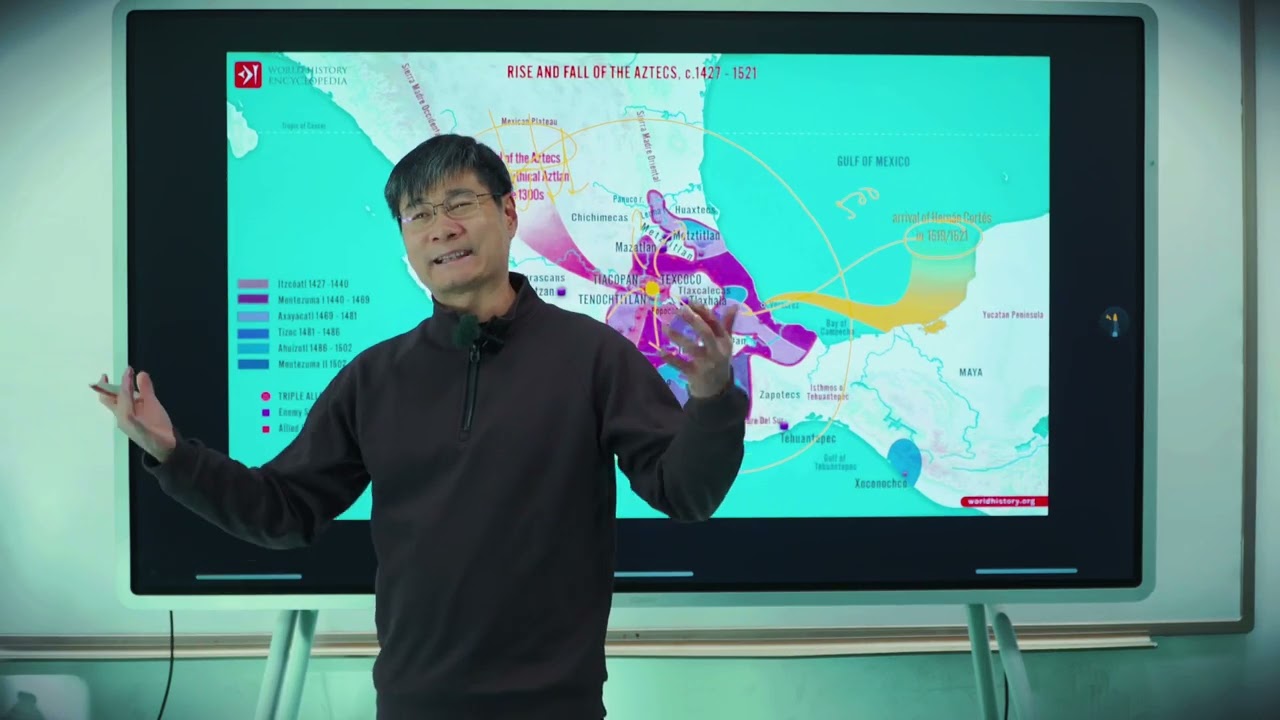
Game Theory #5: The World Game
Why do empires rise and fall? A game theory perspective
-
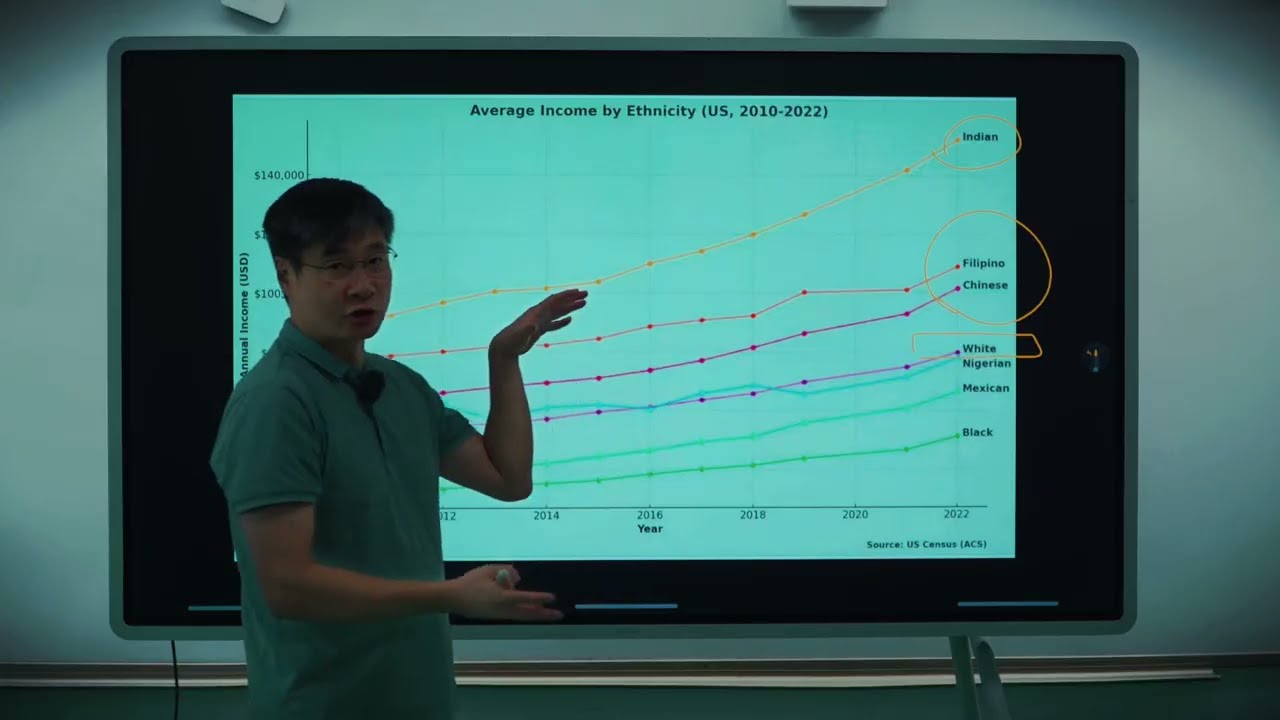
Game Theory #4: The Immigration Trap
The episode applies game theory to immigration, arguing that the "game" of immigration into wealthy Western nations is structurally rigged so that immigrants
-
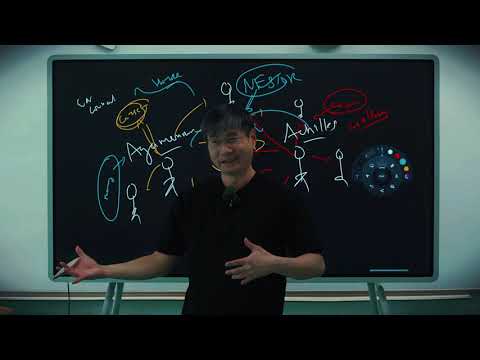
Great Books #2: Homer and the Invention of the Human
The episode explores what makes a great book by using Homer's Iliad as the central example, arguing that great literature excites the imagination, deepens
-
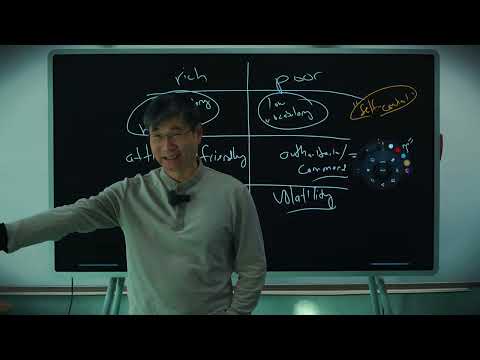
Game Theory #3: Rich Dad, Poor Dad
This episode examines why some people succeed and others don't, ultimately arguing that success is far less about individual traits like self-control or
-
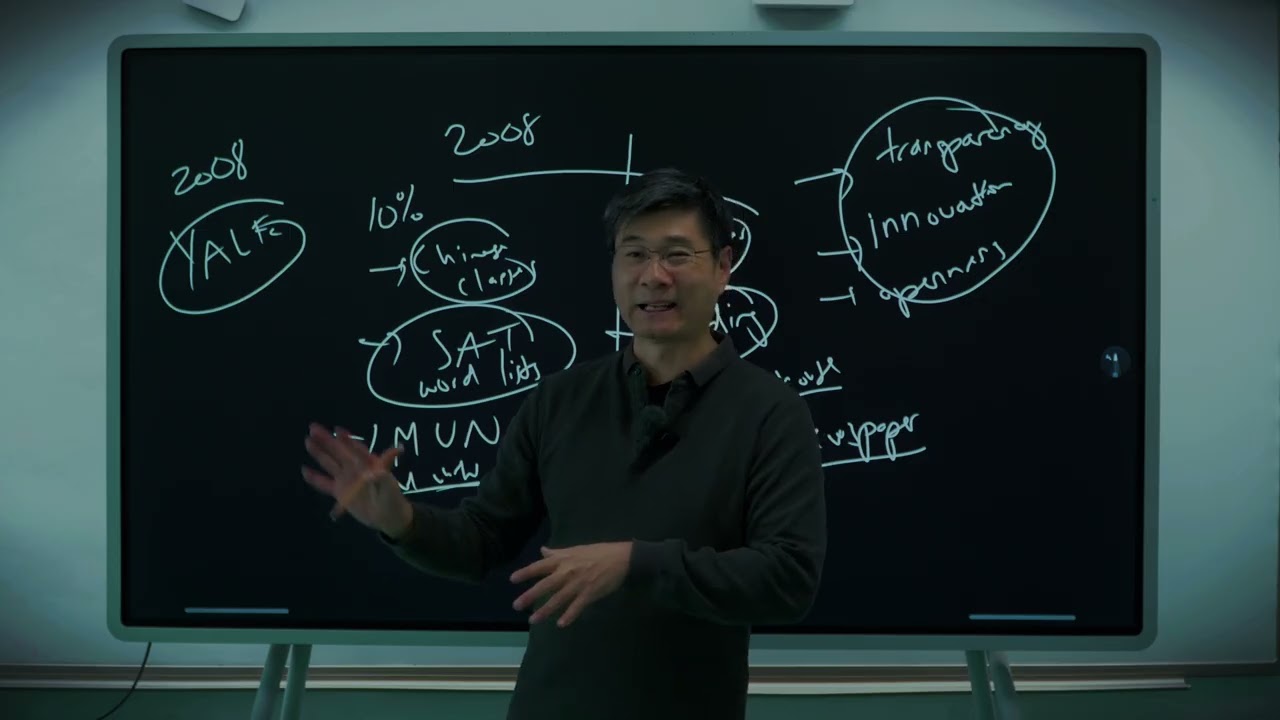
Game Theory #2: Why Schools Suck
This episode uses game theory to analyze why most schools fail at their core mission of teaching literacy, critical thinking, collaboration, and lifelong
-
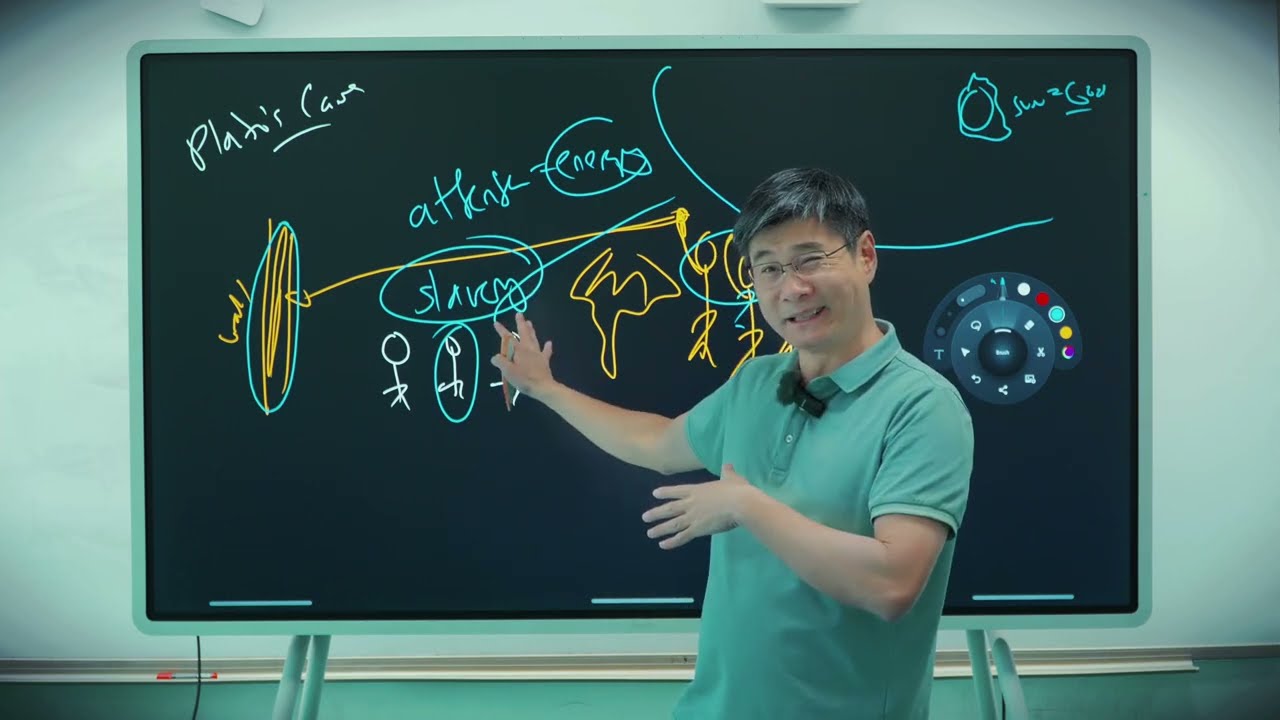
Great Books #1: Secrets of the Universe
This lecture introduces a course on "great books" as a path to spiritual liberation, arguing that true reality is conscious and vibrational rather than
-
Game Theory #1: The Dating Game
This is the first lecture in a semester-long course on game theory as a framework for understanding human behavior, societal dynamics, and the rise and fall of
-
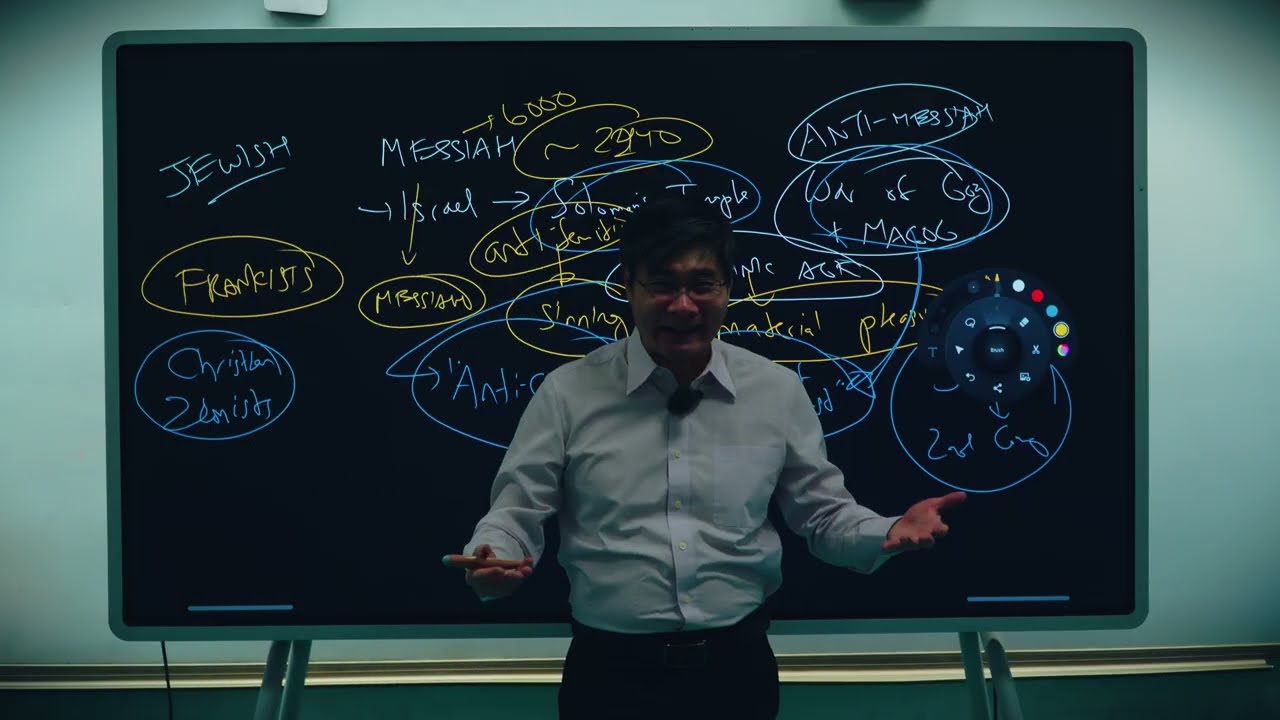
Secret History #END: Pax Judaica
This final lecture presents a sweeping speculative theory — framed as "just for fun" and "conspiracy theory" — that a network of secret societies (the
-
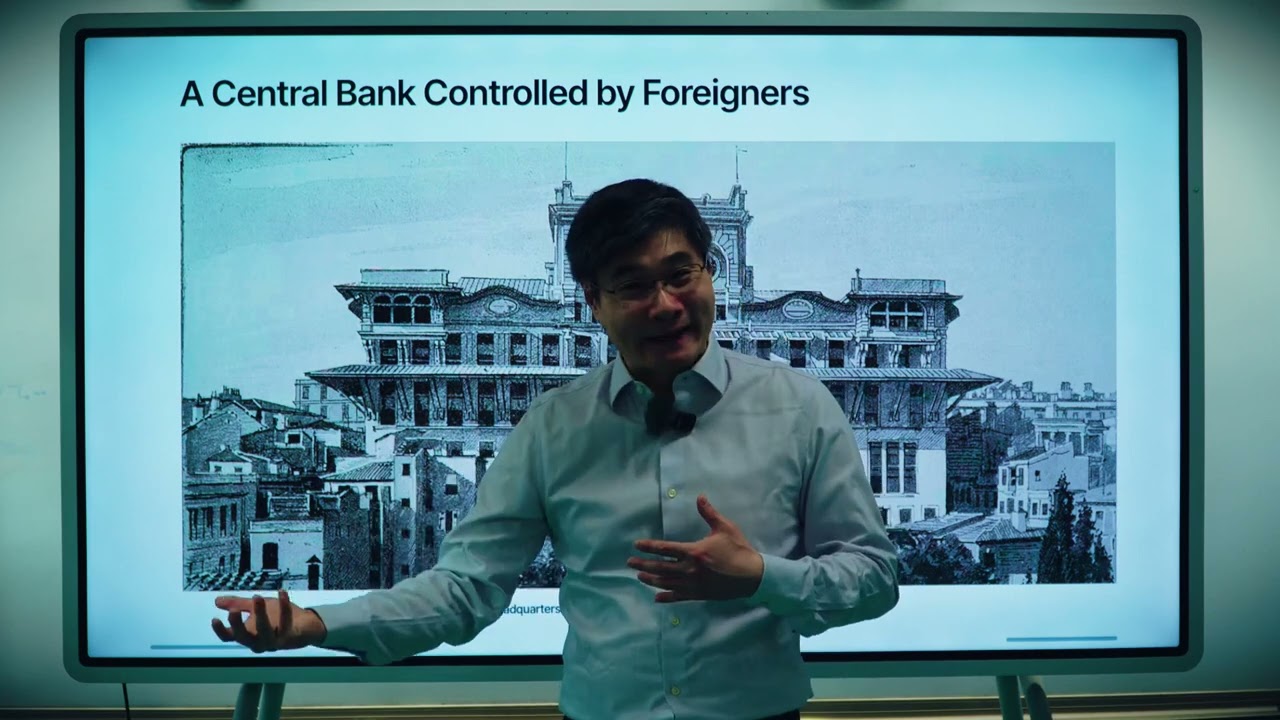
Secret History #27: Empire of Evil
This episode argues that modern Western thought — Marxism, Darwinism, liberalism, individualism, and Freudian psychology — emerged from an alliance between the
-
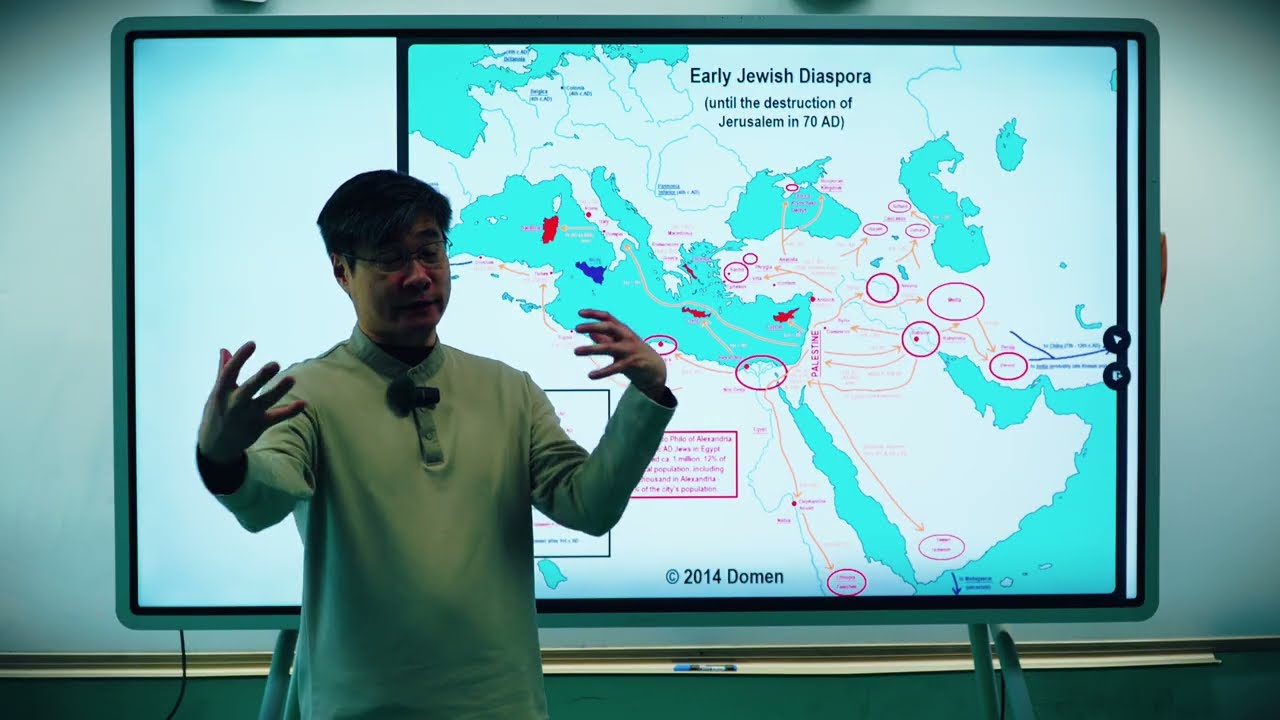
Secret History #26: Faith of Evil
This episode traces the evolution of Jewish history and identity from ancient times through the emergence of a radical messianic movement called Sabbatian
-

Secret History #25: Capital of Evil
The episode argues that capital is not merely money or wealth but a mechanism for extracting human energy—defined as attention and focus—from the working
-
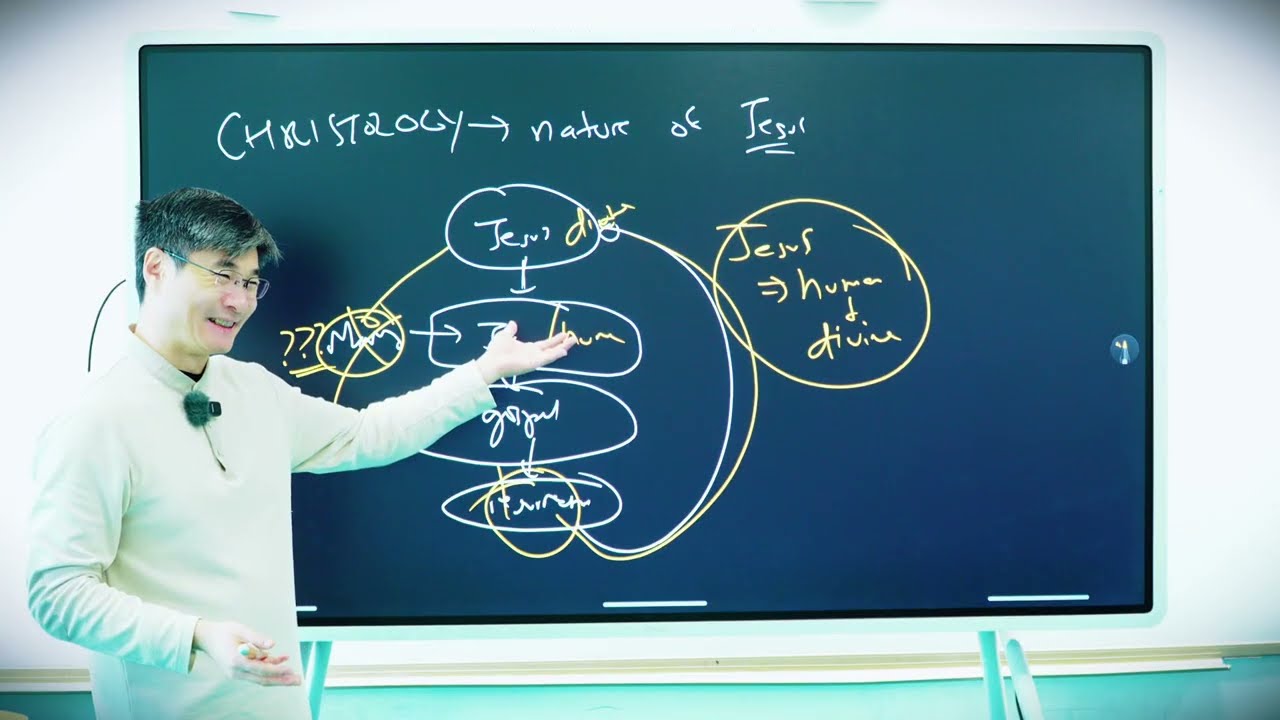
Secret History #24: Empire of Church
This lecture sets the stage for the final four classes of the semester by reviewing the transformation of the Roman Republic into the Roman Empire, the split
-
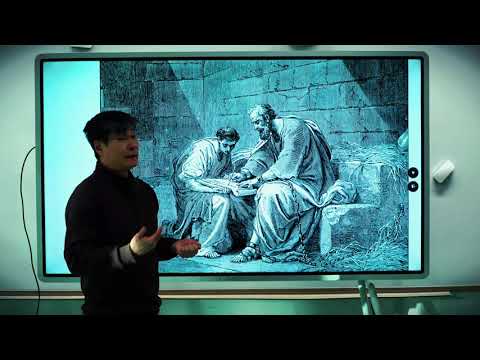
Secret History #23: The Organization of Evil
This episode traces how the original teachings of Jesus—centered on individual spiritual liberation—were systematically transformed by Paul into the
-
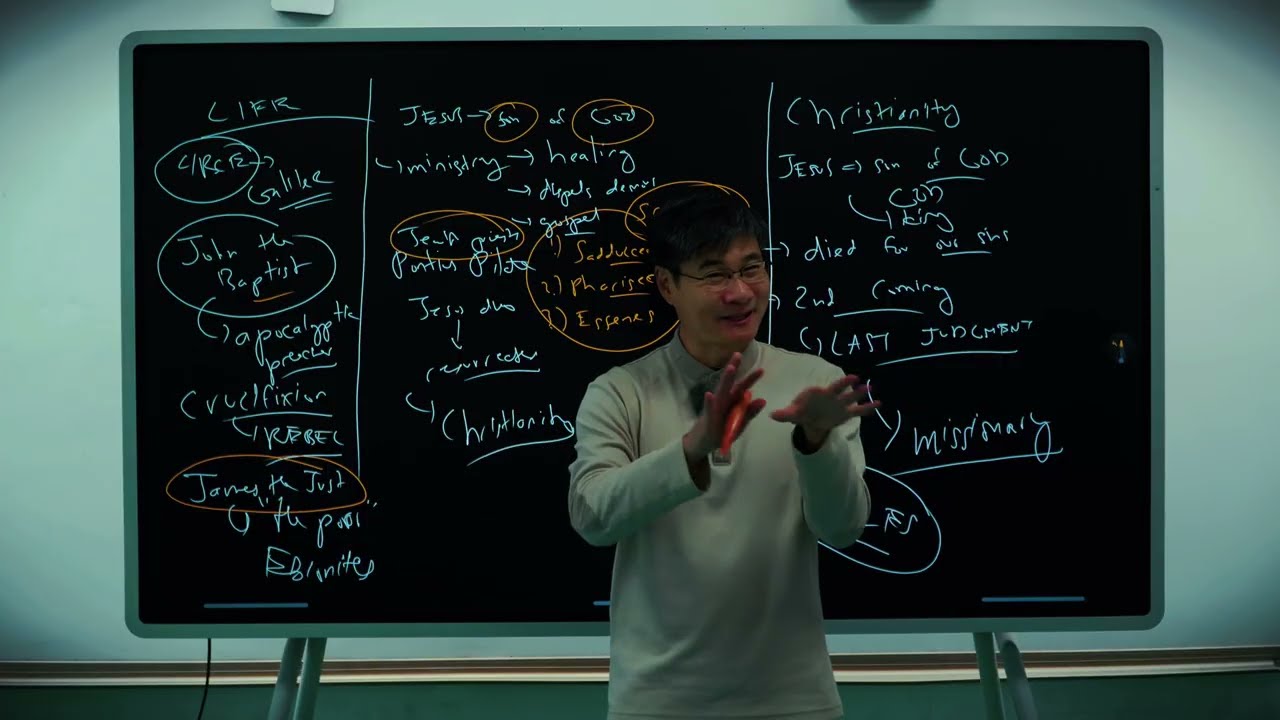
Secret History #22: The Divine Spark of Jesus
This episode examines the historical figure of Jesus, separating what scholars can verify from the biblical narrative, and argues that his true teachings were
-
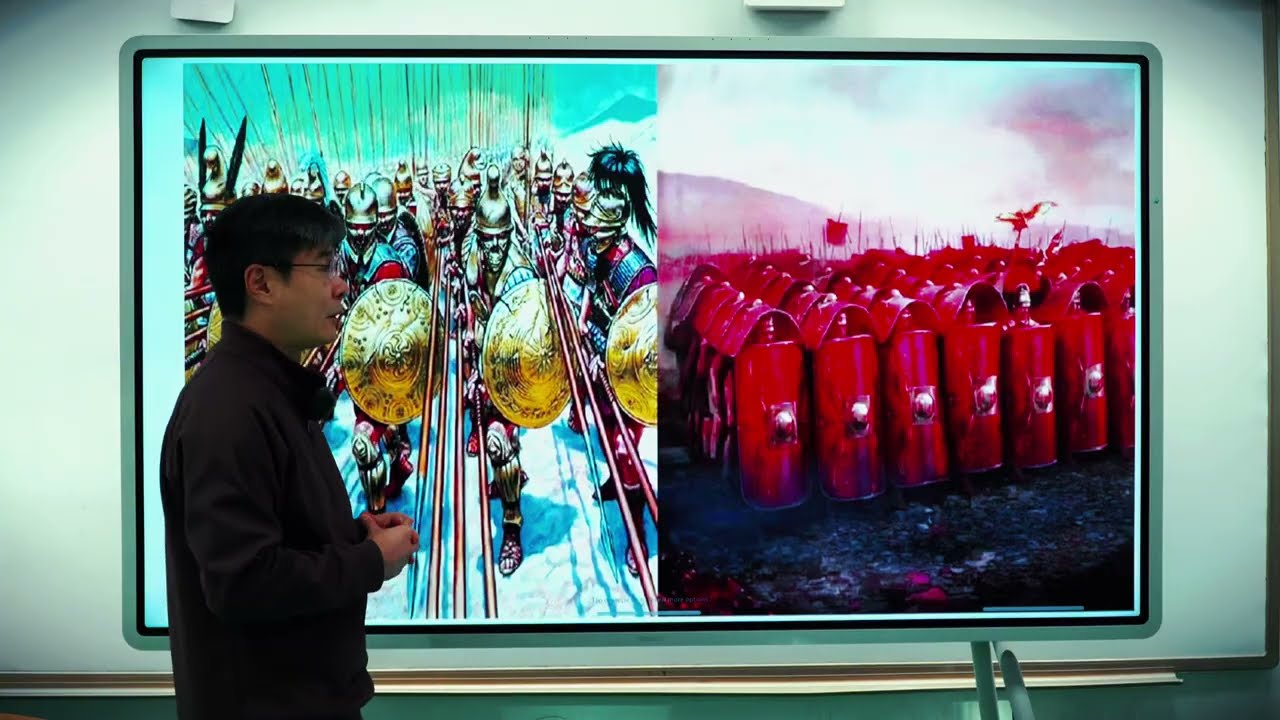
Secret History #21: Roman Anti-Civilization
Rome is presented as the "great anti-civilization" or "evil empire" — a society built entirely on war, violence, and conquest that eclipsed Persia, the Jews
-
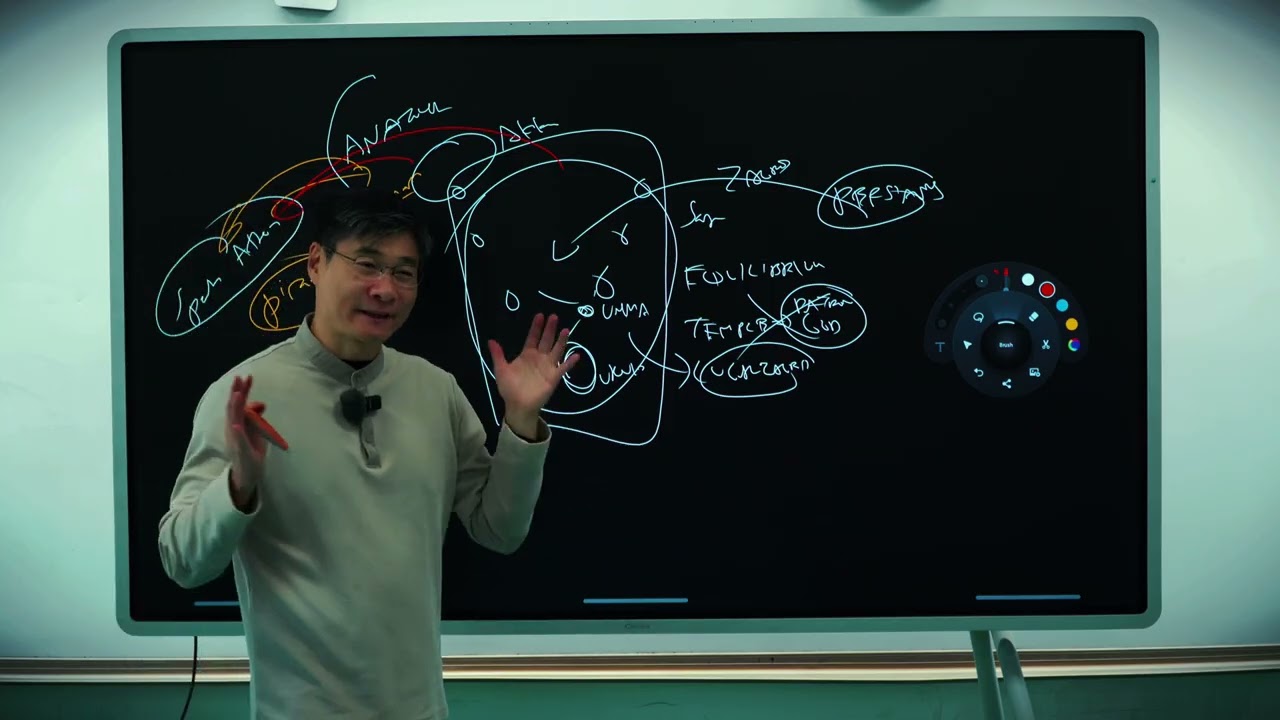
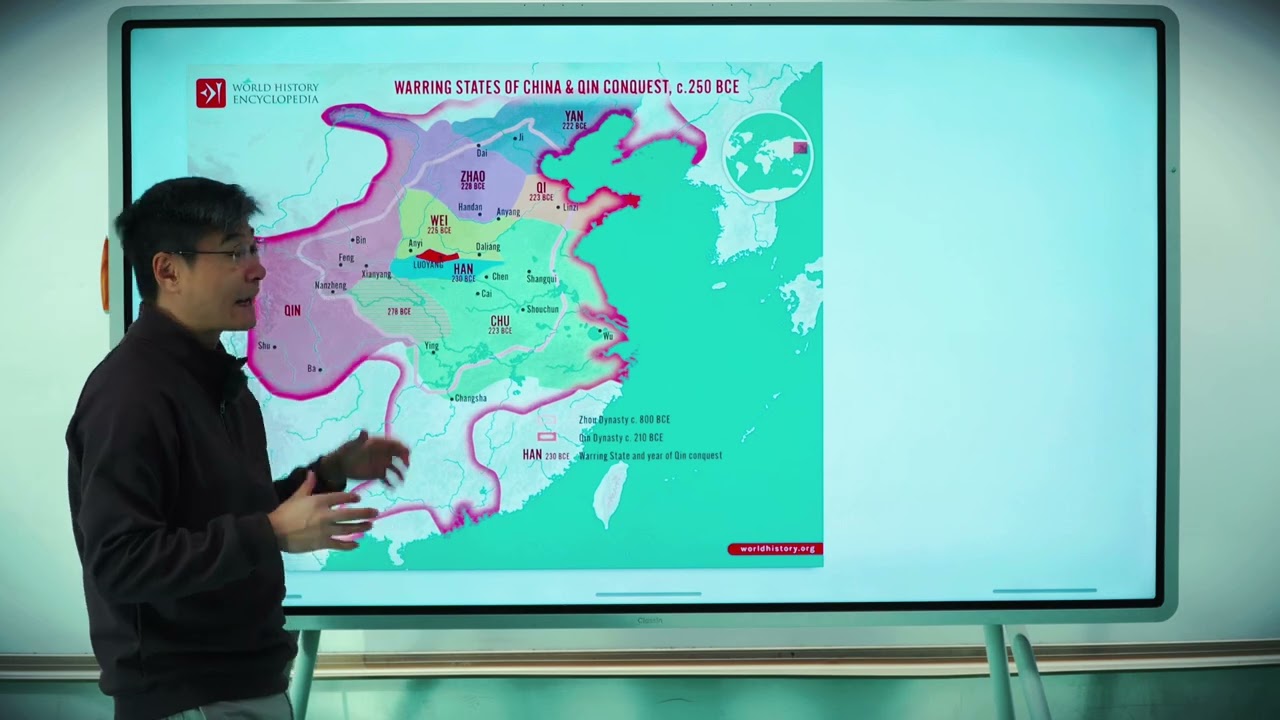
Secret History #20: The Hellenistic World
The episode outlines a recurring geopolitical pattern in human history, using examples from China, Mesopotamia, Persia, and Greece to explain how empires rise
-
Secret History #19: Dawn of the Jews
This lecture argues that Israel and Jewish identity are not ancient, organic developments but rather constructed by successive empires—first the Persians, then
-
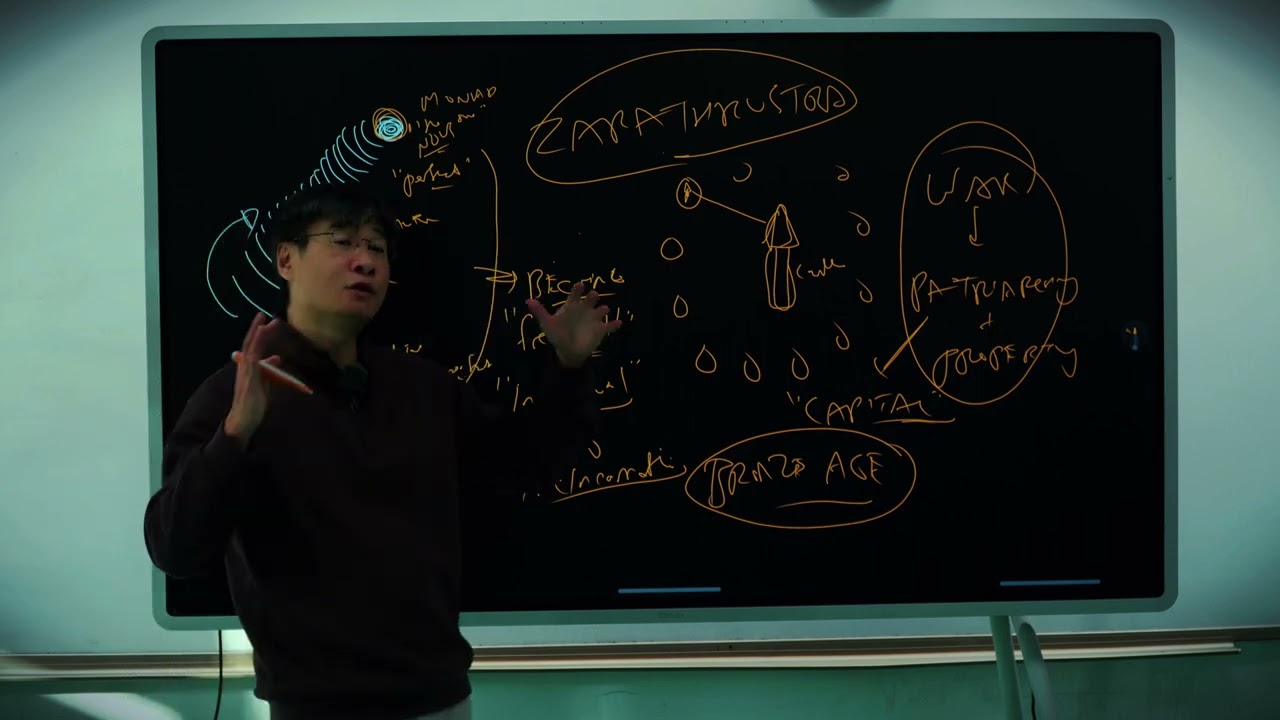
Secret History #18: Thus Spoke Zarathustra
This episode introduces Zarathustra (Zoroaster), a Bronze Age Persian prophet whom the speaker calls the most influential person in human history, because his
-
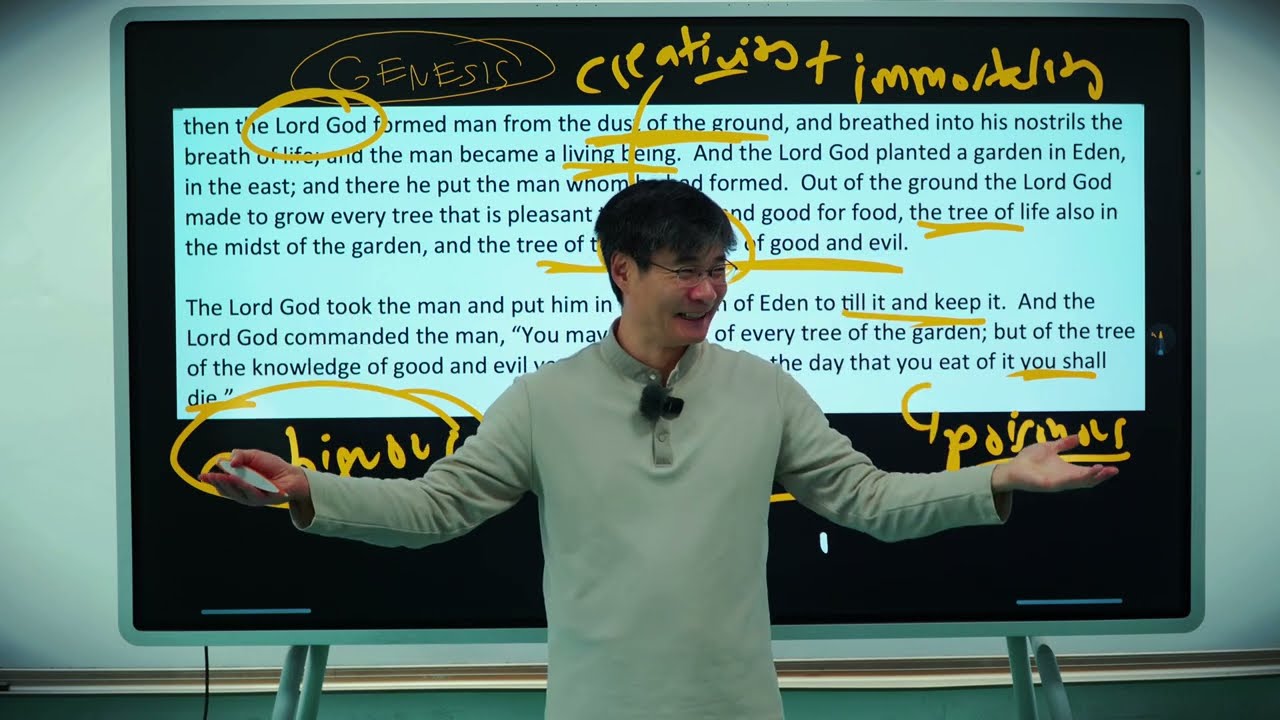
Secret History #17: Literary Genesis
The episode argues that the Jewish people's extraordinary creativity — exemplified by figures like Karl Marx, Sigmund Freud, and Albert Einstein — originates in
-
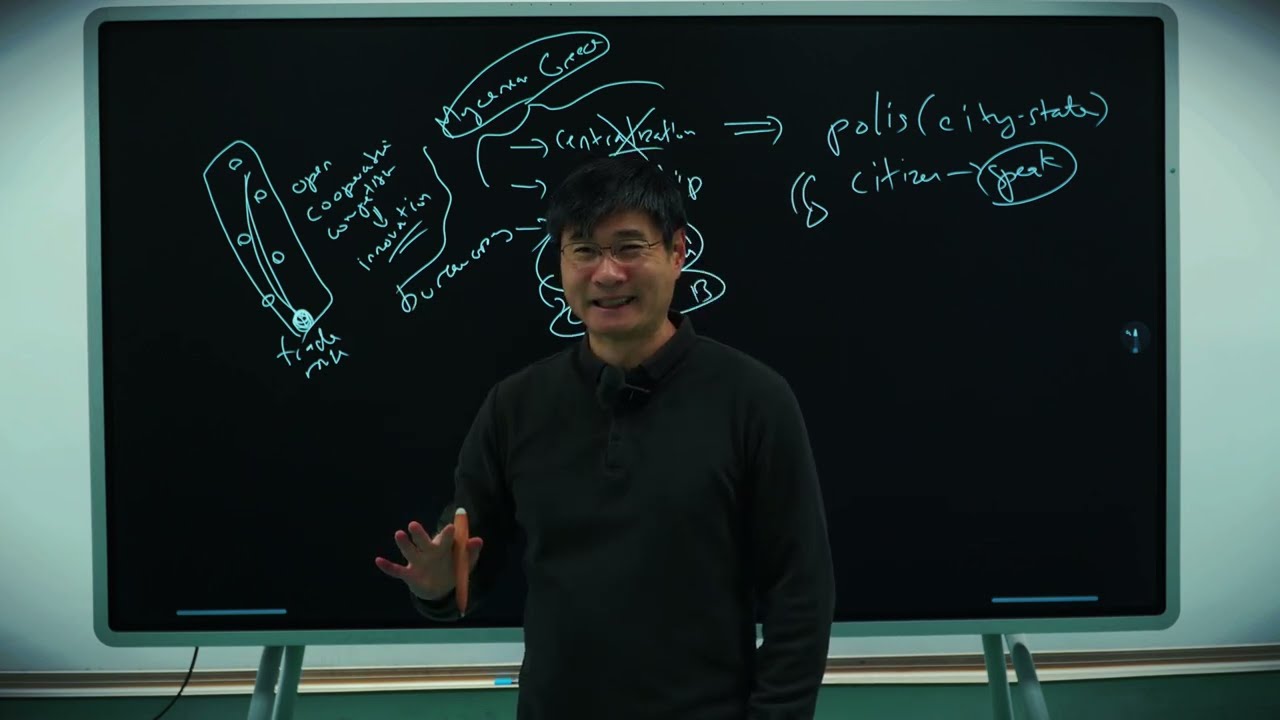
Secret History #16: The Big Bang of Greek Civilization
Homer as the "big bang" of Greek civilization — After the collapse of the Minoan Bronze Age empire, Greece entered a decentralized period of competing
-
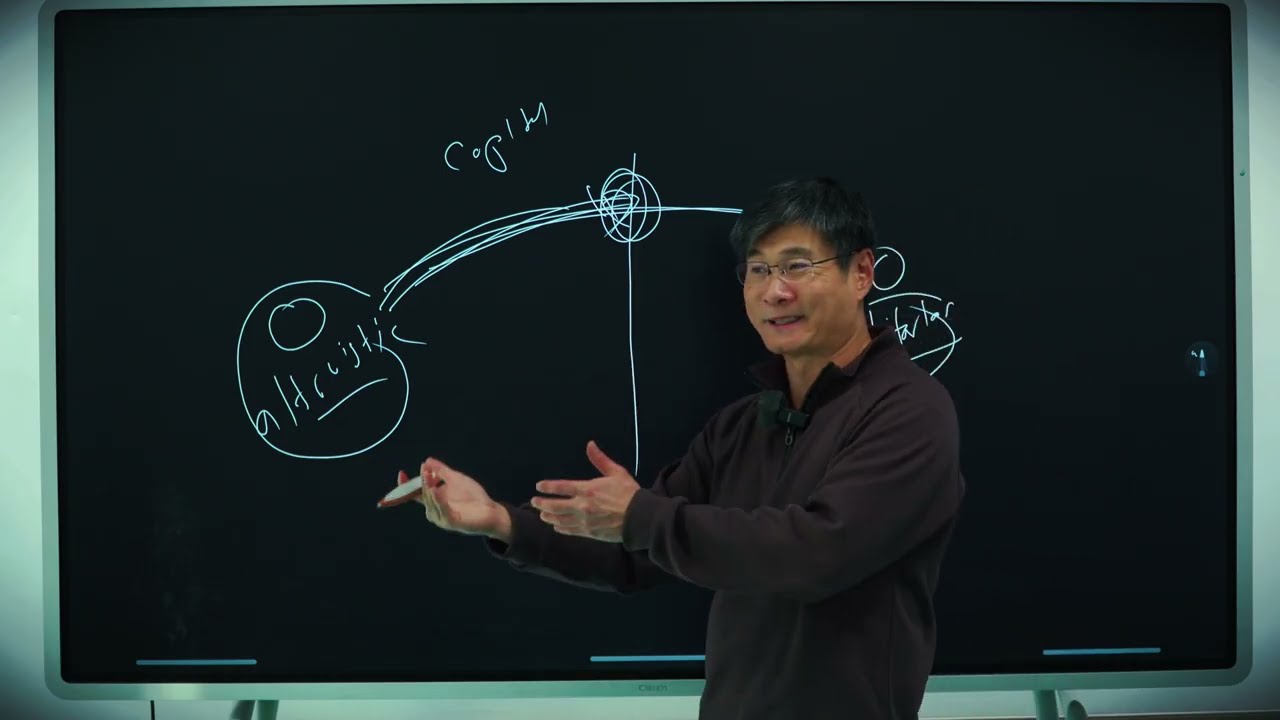
Secret History #15: Capital and the Bronze Age Collapse
The Bronze Age collapse around 1200 BCE was a sudden, devastating breakdown of a highly globalized world system, driven not just by climate change and invasions
-
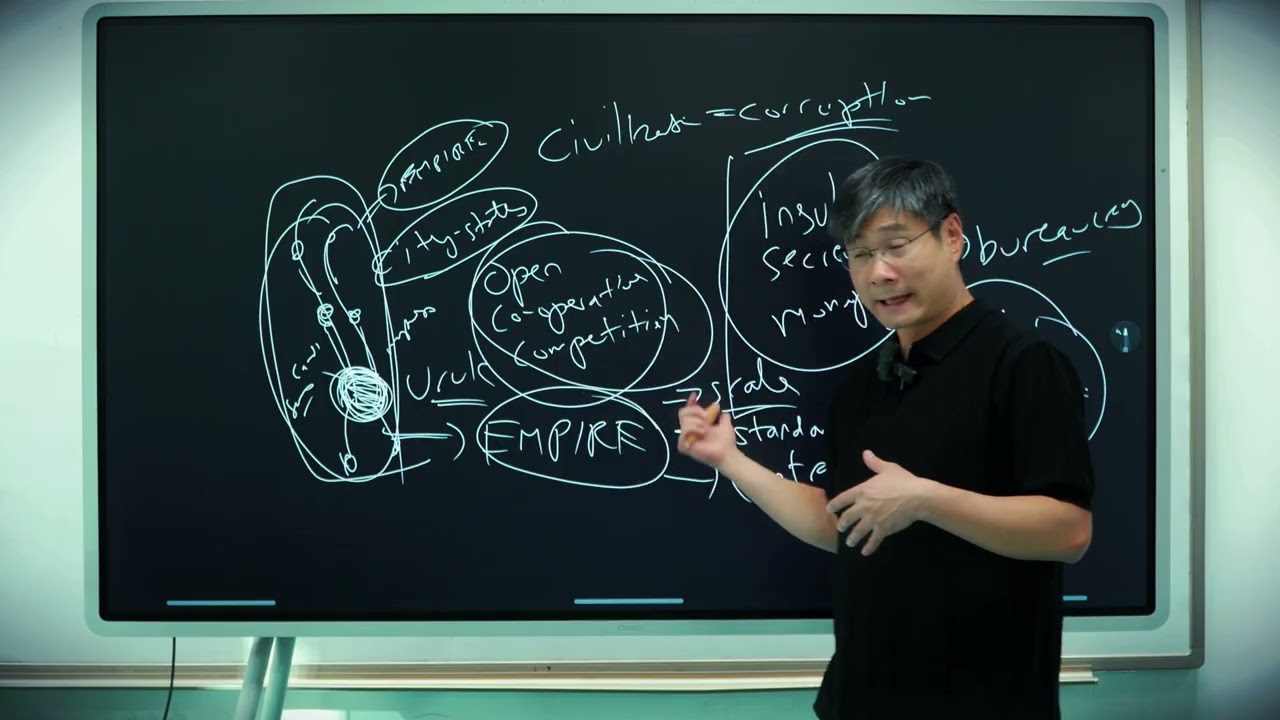
Secret History #14: Legacy of the Steppes
The episode challenges the traditional view that "civilization" (settled, urban, literate societies) is inherently superior to "barbarian" steppe pastoralists
-
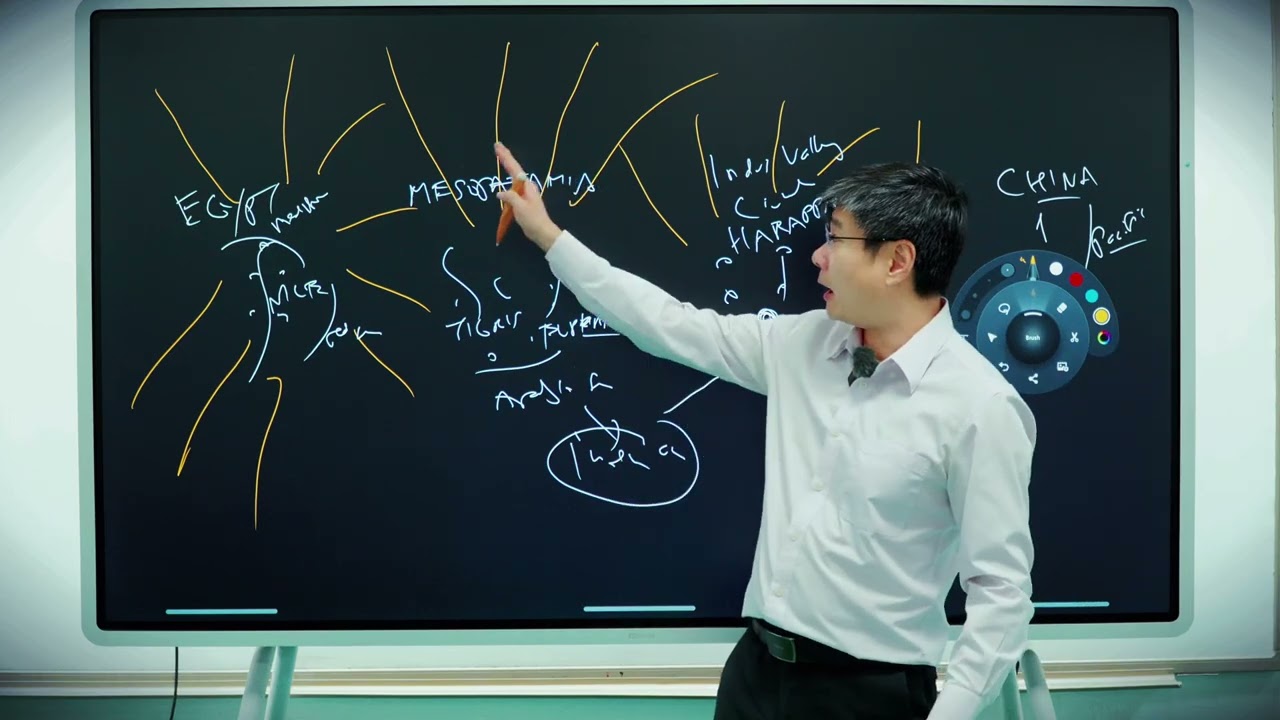
Secret History #13: Mandate of Heaven
The episode presents an alternative theory of civilization that challenges the standard Marxist-derived model taught in most academic settings.
-
Secret History #12: Heaven on Earth
This lecture continues a course on human history, focusing on the transition from the Ice Age to settled agricultural communities and the rise of early
-
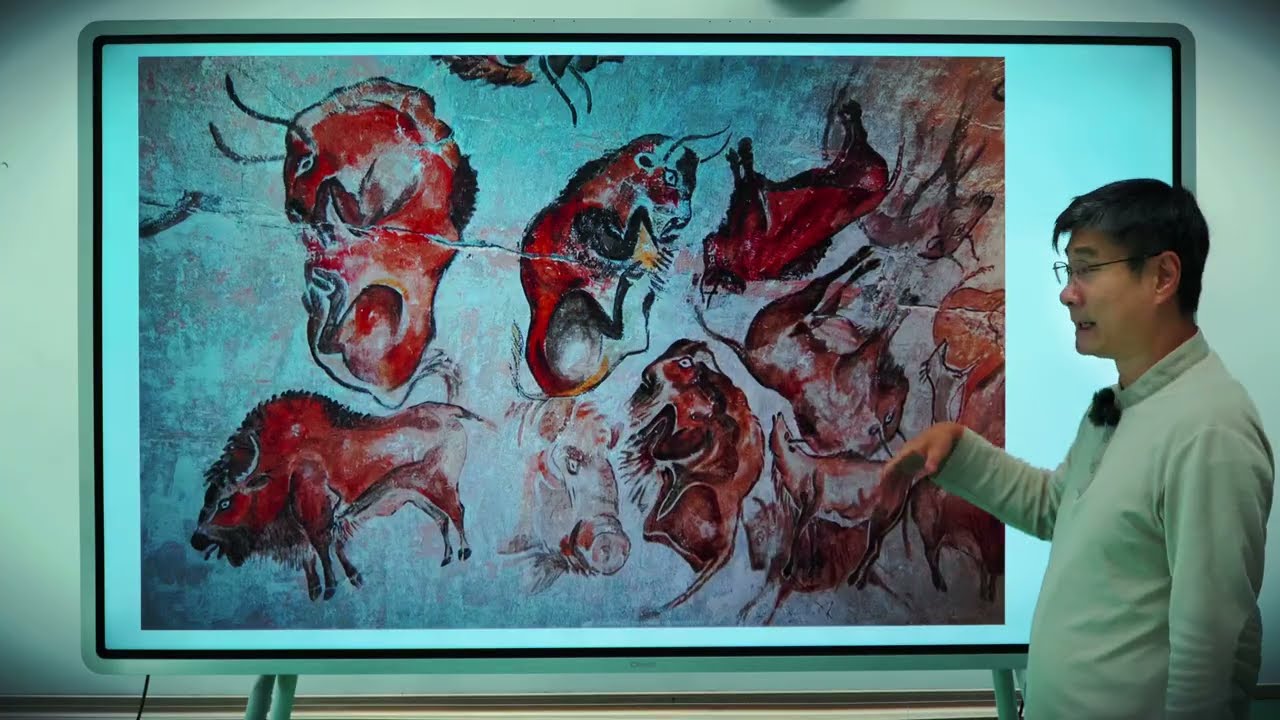
Secret History #11: Dawn of the Human Imagination
This episode launches a sweeping series on human history by challenging the dominant Darwinian, materialistic framework and proposing an alternative: that
-
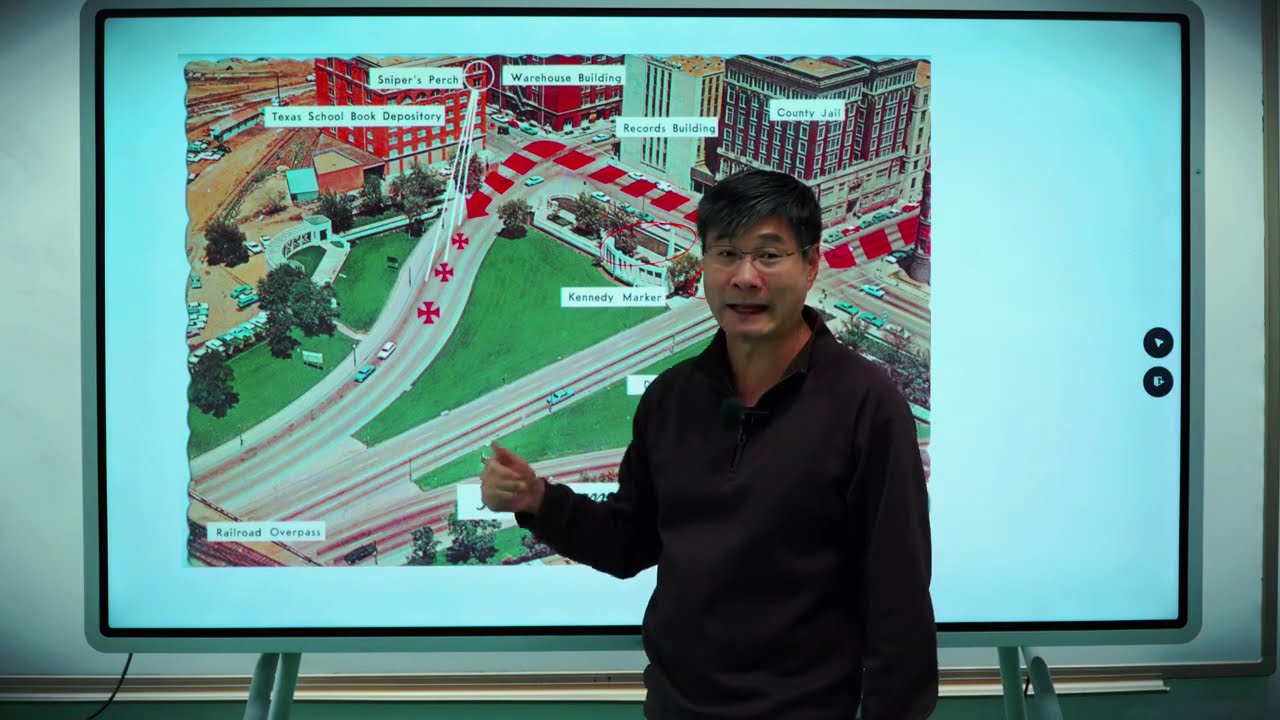
Secret History #10: The Conspiracy of Evil
Professor Jiang presents a lecture to his Beijing high school students examining three major American events, the 1969 moon landing, the 1963 JFK assassination
-
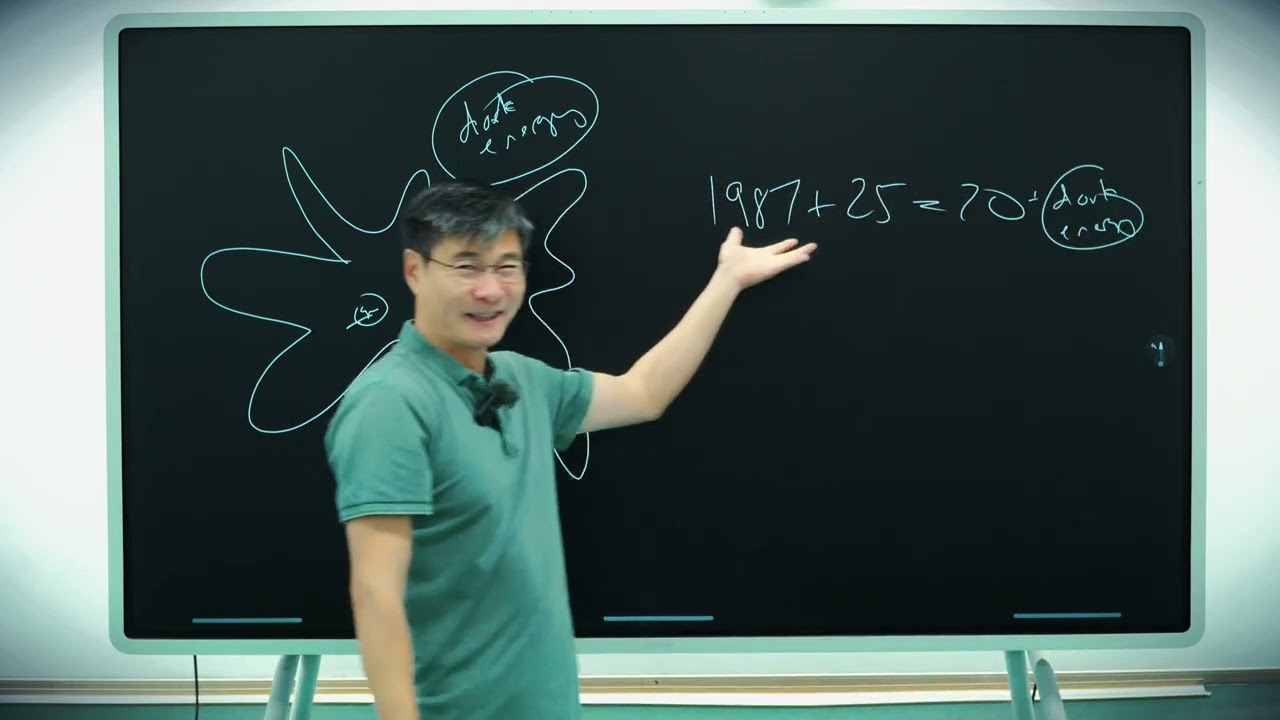
Secret History #9: The Theory of Everything
This episode presents a sweeping critique of the modern scientific worldview—Big Bang cosmology, evolution, and neuroscience—and argues that it is fundamentally
-
Secret History #8: Death by Bureaucracy
In October 2015, a controversy at Yale University over a Halloween costume email ignited a national debate about "safe space" versus "free space" on campuses
-
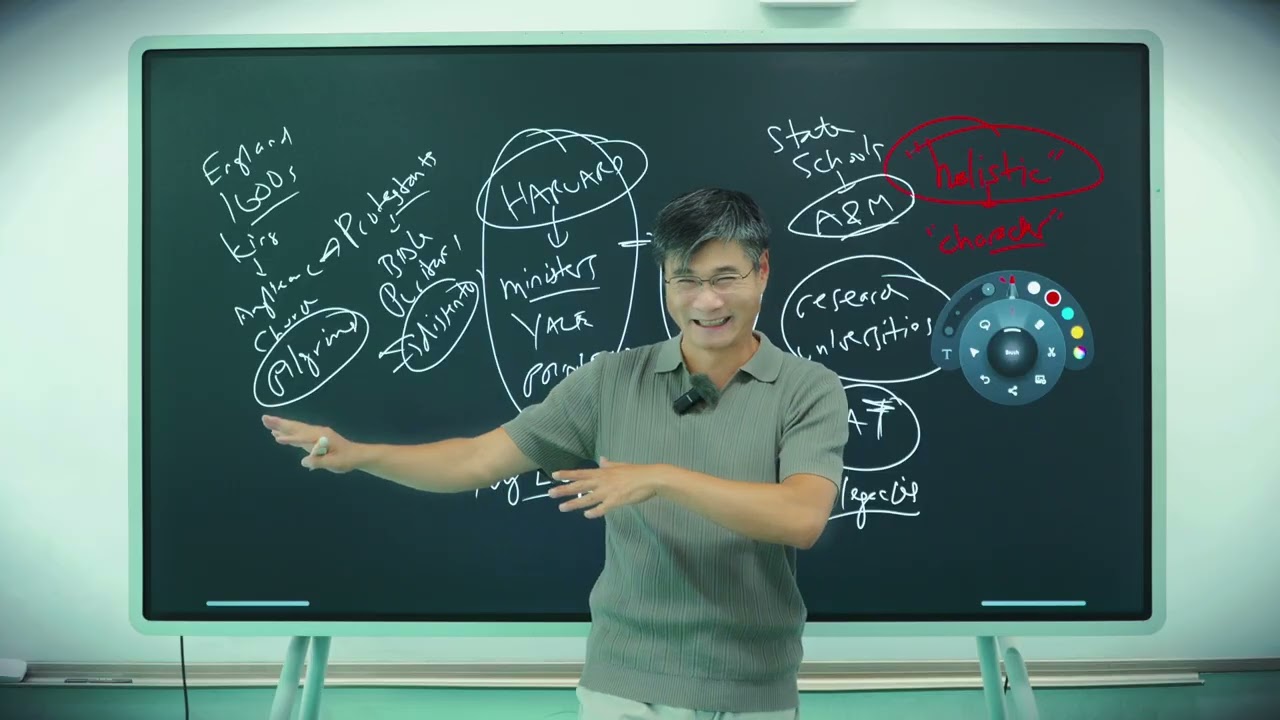
Secret History #7: Death by Meritocracy
This lecture examines how the American meritocracy—the idea that people should succeed based on talent, ability, and hard work—was designed to concentrate power
-
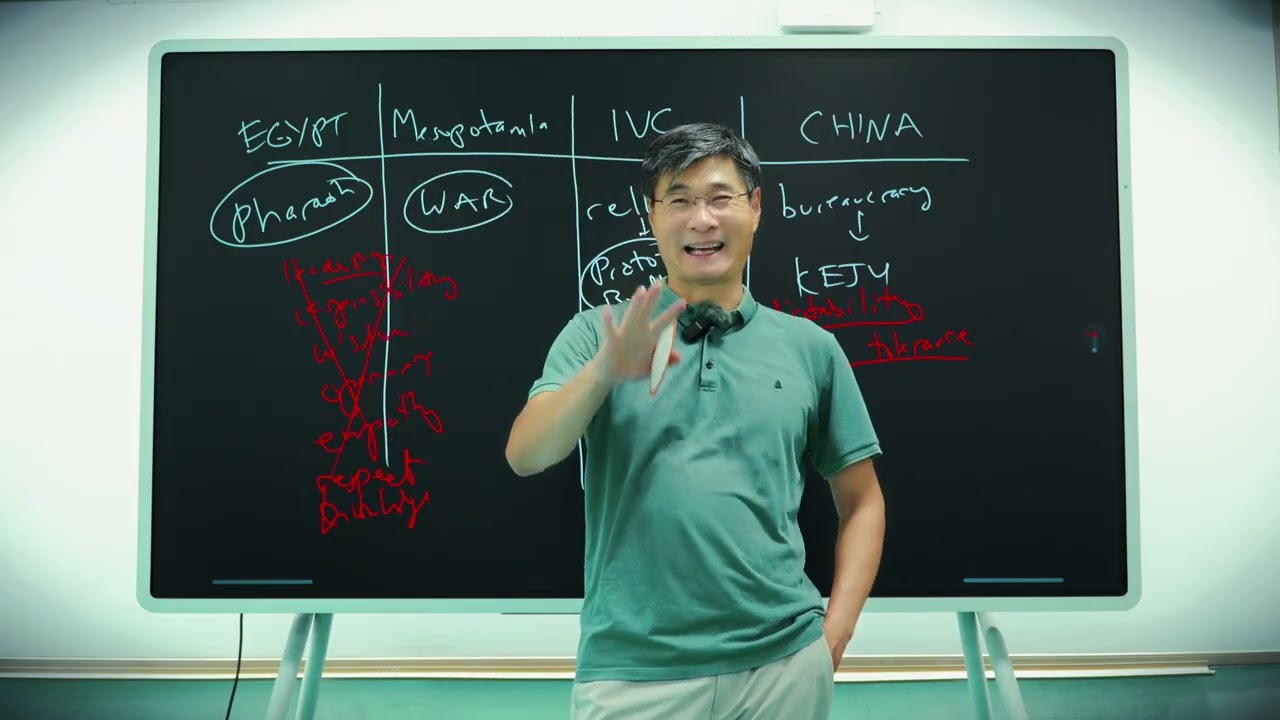
Secret History #6: The Psychology of Evil (Graphic and Disturbing, Viewer Discretion Advised)
This episode argues that secret societies have long used mind control techniques rooted in ancient Egyptian practices to create programmable, dissociated
-
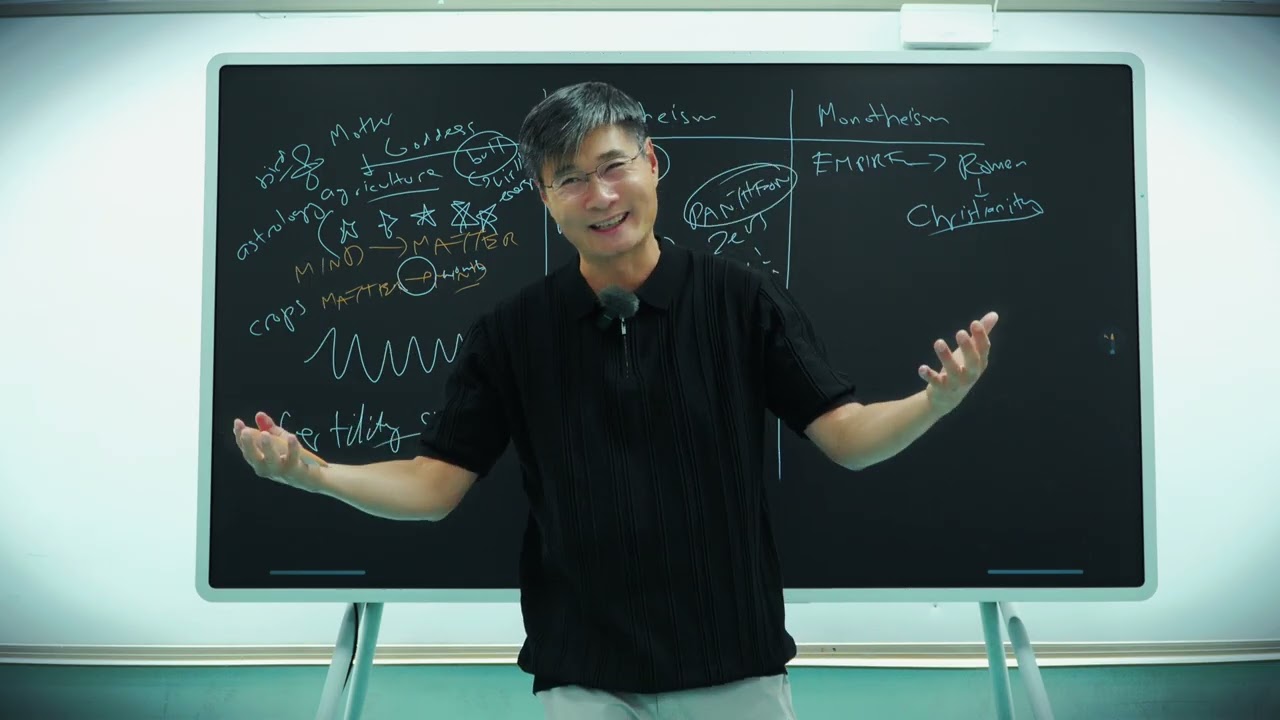
Secret History #5: The Birth of Evil
The three stages of Western religious development
-
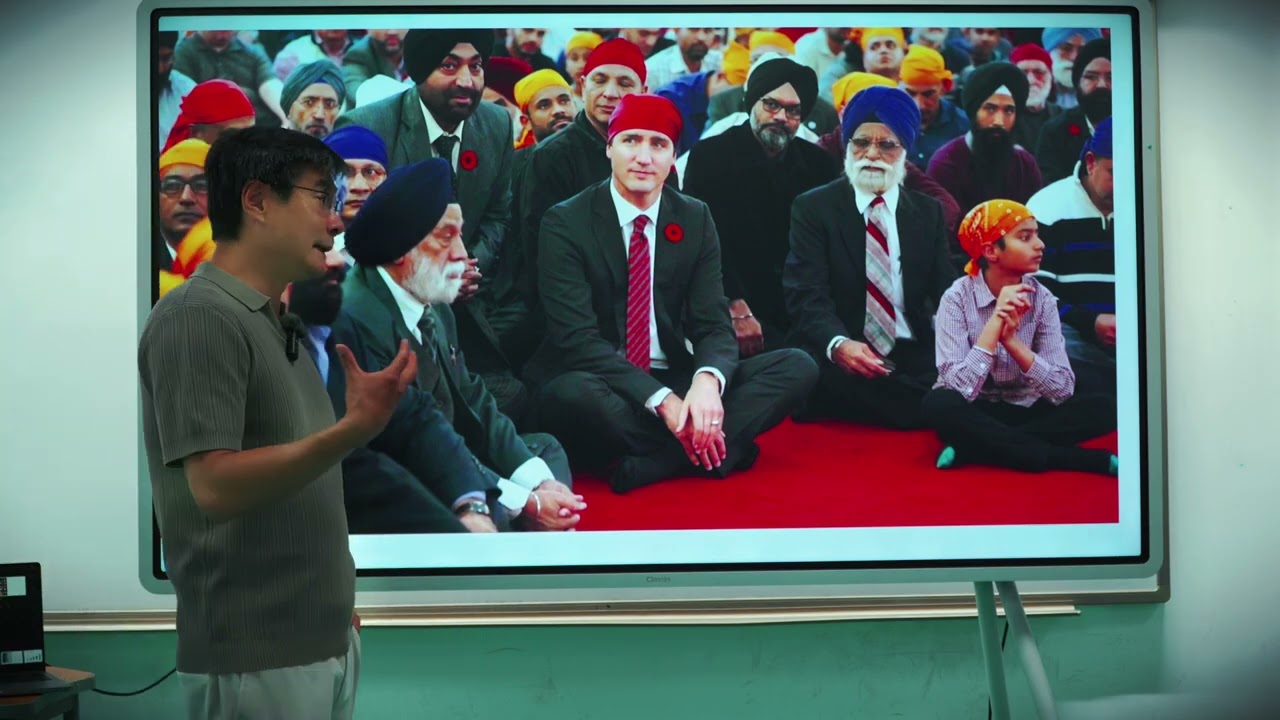
Secret History #3: Death by Gerontocracy
The Western world is experiencing a structural decline driven by the political and economic dominance of elderly populations, a system the lecture calls
-
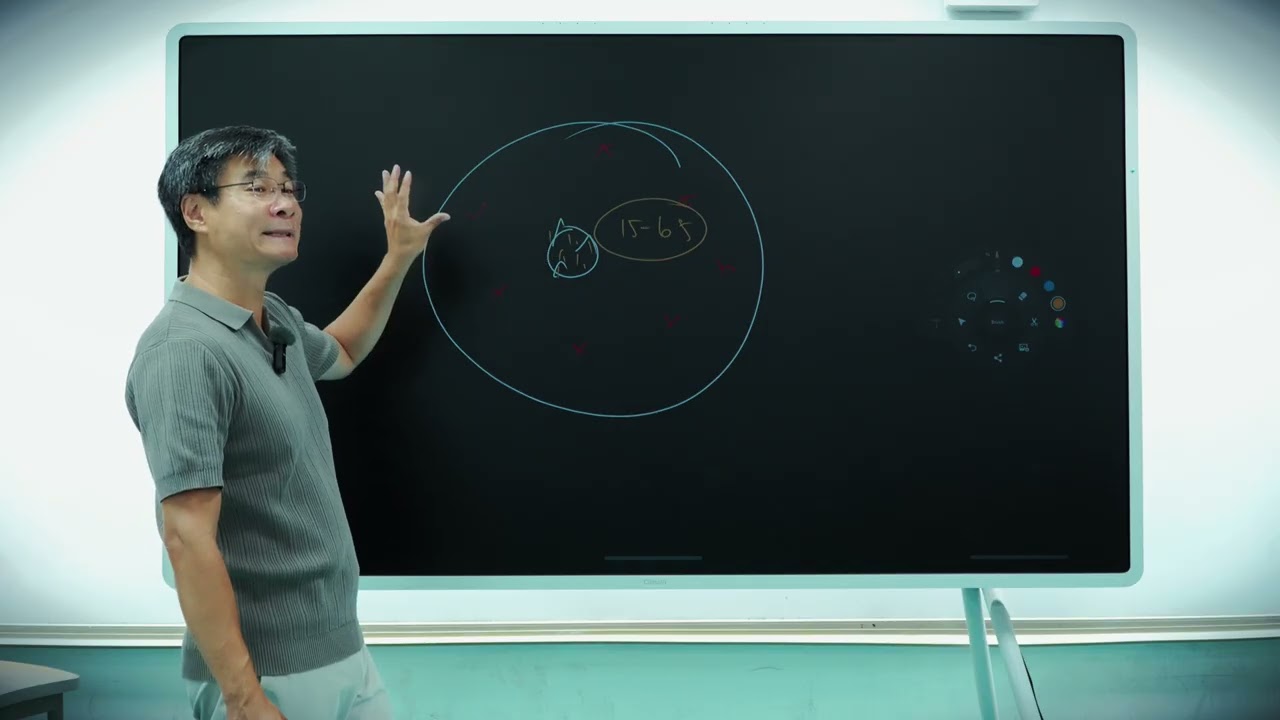
Secret History #4: How Evil Triumphs
This episode presents a speculative, highly controversial theory about how evil operates in the world, arguing that horrific acts of violence—including what is
-
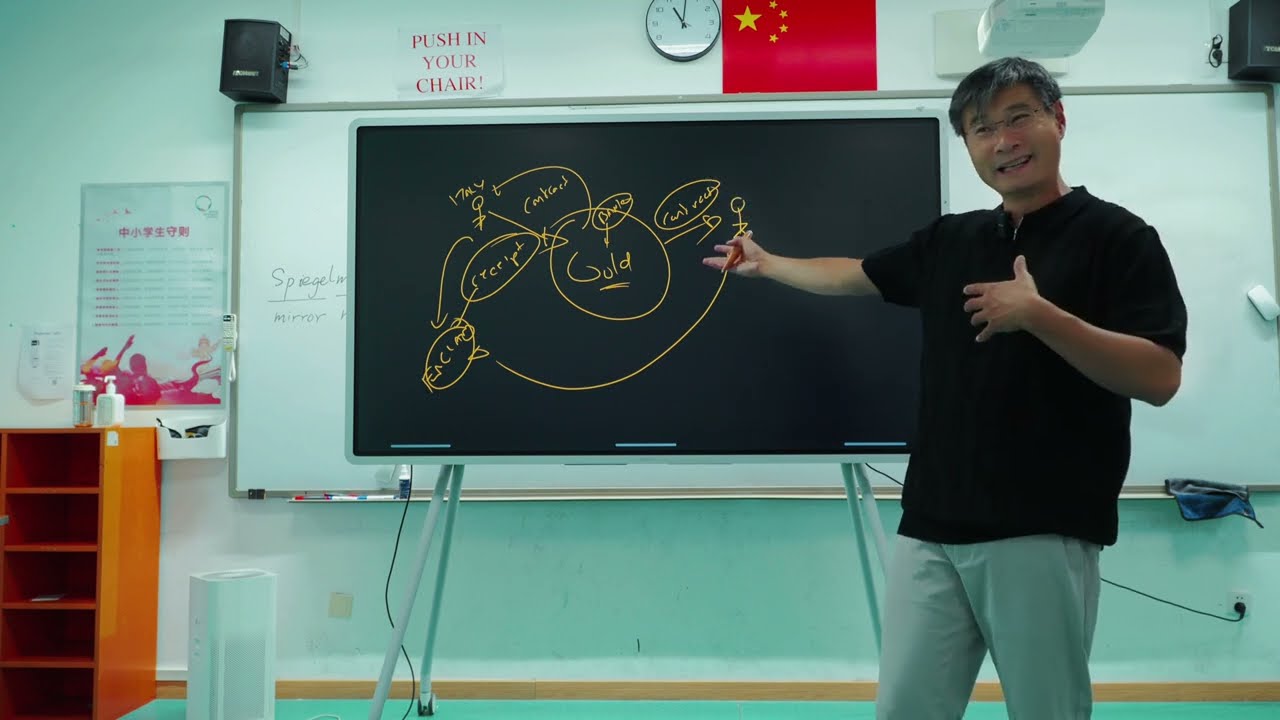
Secret History #1: How Power Works (4K Re-Upload with Audio Fixed)
This is the first lecture of a course that aims to reveal the "secret history" of how power works, arguing that the world is structured by powerful illusions
-
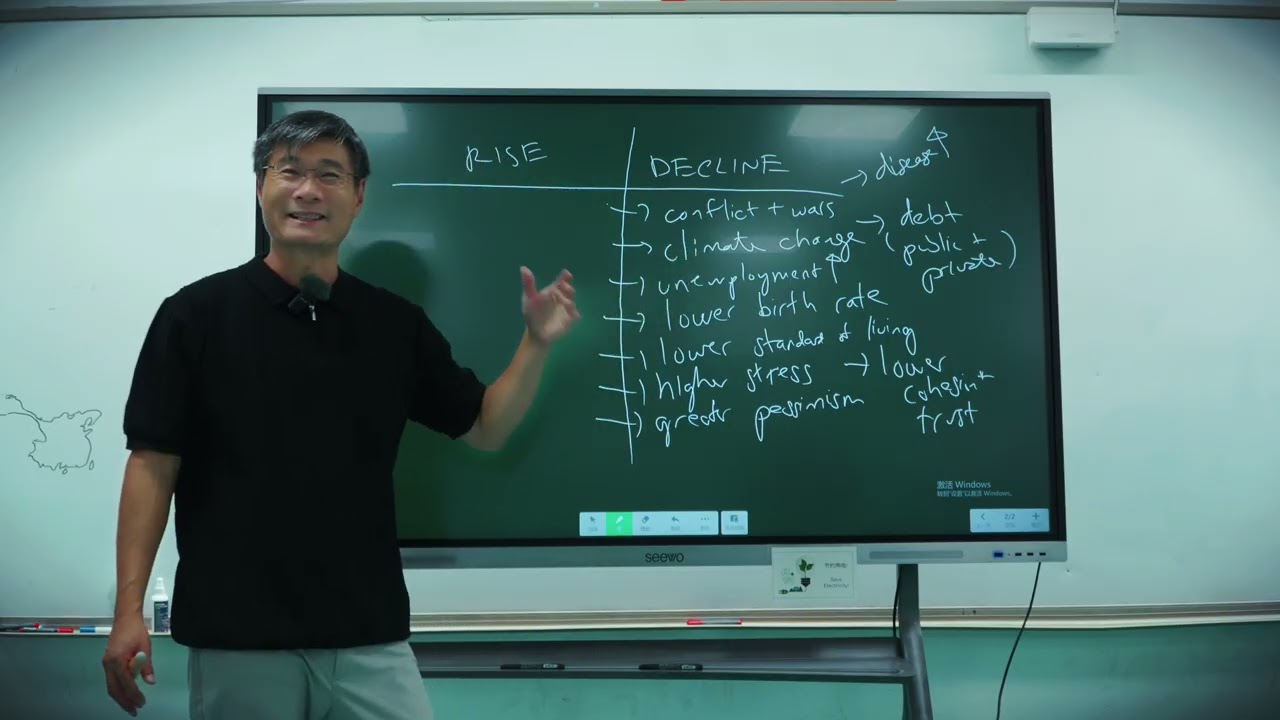
Secret History #2: How Societies Collapse
Concept: Capitalism transitions from "consumer capitalism" (focused on wealth creation) to "financial capitalism" (focused on money generation via stock
-
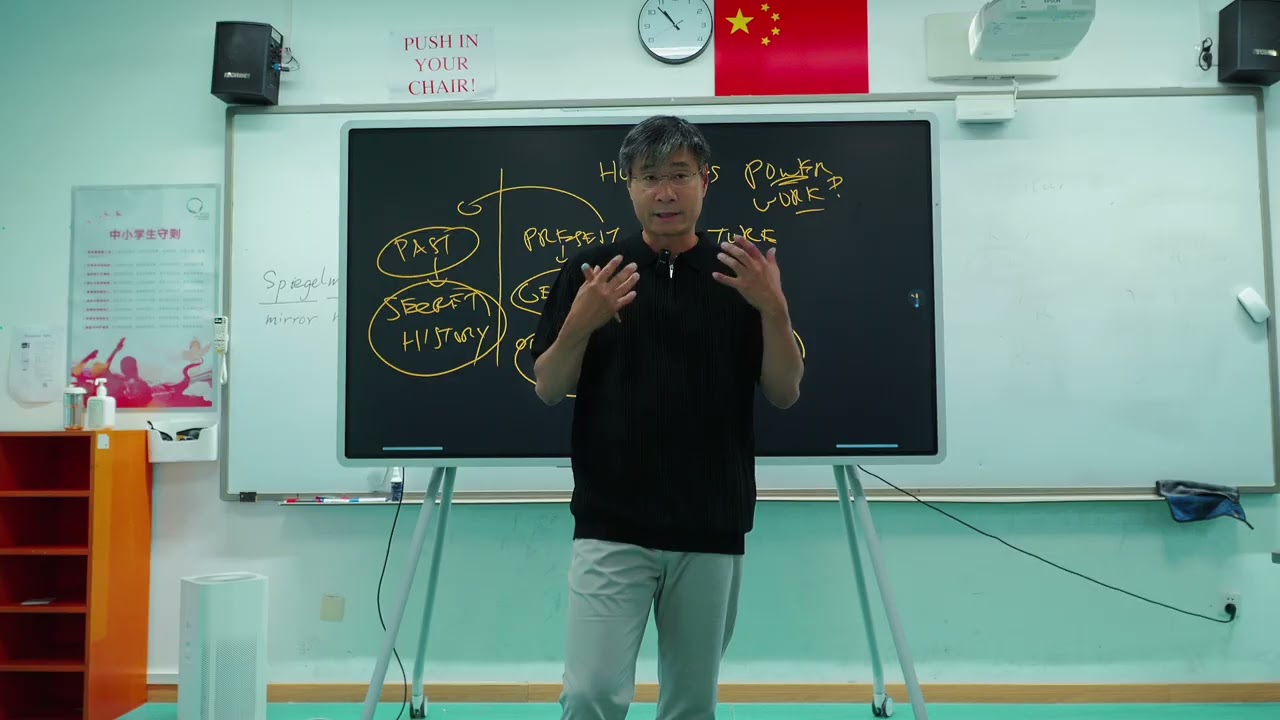
Secret History #1: How Power Works
This is the first lecture of a semester-long course that aims to teach students how power works by training them to think critically about the world. The
-

Geo-Strategy Update #8: Why the West is Doomed
Professor Jiang argues that the Western world—exemplified by Canada—is in irreversible decline, not because of immigrants, politicians, or foreign enemies, but
-

Geo-Strategy Update #7: When Eschatologies Converge
Professor Jiang presents a geopolitical forecast for the next 10–20 years built on the thesis that eschatology drives geopolitics — that end-times narratives
-

Geo-Strategy Update #6: Is Putin the Ubermensch?
Professor Jiang analyzes the war in Ukraine through a game-theoretic lens, arguing that American strategy has been consistently self-defeating, and presents a
-

Geo-Strategy Update #5: The Universal Law of Game Theory
Professor Jiang explains why Christian Zionism dominates American Middle East policy, using game theory to show how a coalition of four factions is driving
-

Geo-Strategy Update #4: Newton's Divine Plan
Professor Jiang explains that the current Middle East conflict is driven by Christian Zionism — a theological-political movement rooted in the ideas of Isaac
-

Geo-Strategy Update #3: The Messianic Calling
Professor Jiang argues that the announced ceasefire between the US, Israel, and Iran is not a genuine move toward peace but a narrative-shaping exercise, and
-

Geo-Strategy Update #2: WWIII Begins, Let's Game Theory
On June 21, 2025, the United States bombed three Iranian nuclear facilities, marking what Professor Jiang describes as the beginning of a US-Iran war and
-

Geo-Strategy Update: US-Iran War Incoming
Professor Jiang, speaking from Toronto, analyzes the imminent US war on Iran, arguing that while the US possesses overwhelming military superiority, Iran holds
-

Civilization BONUS: Meet Professor Jiang
Professor Jiang is a Chinese-born educator who immigrated to Toronto at age six, earned a full scholarship to Yale (English literature), and returned to China
-
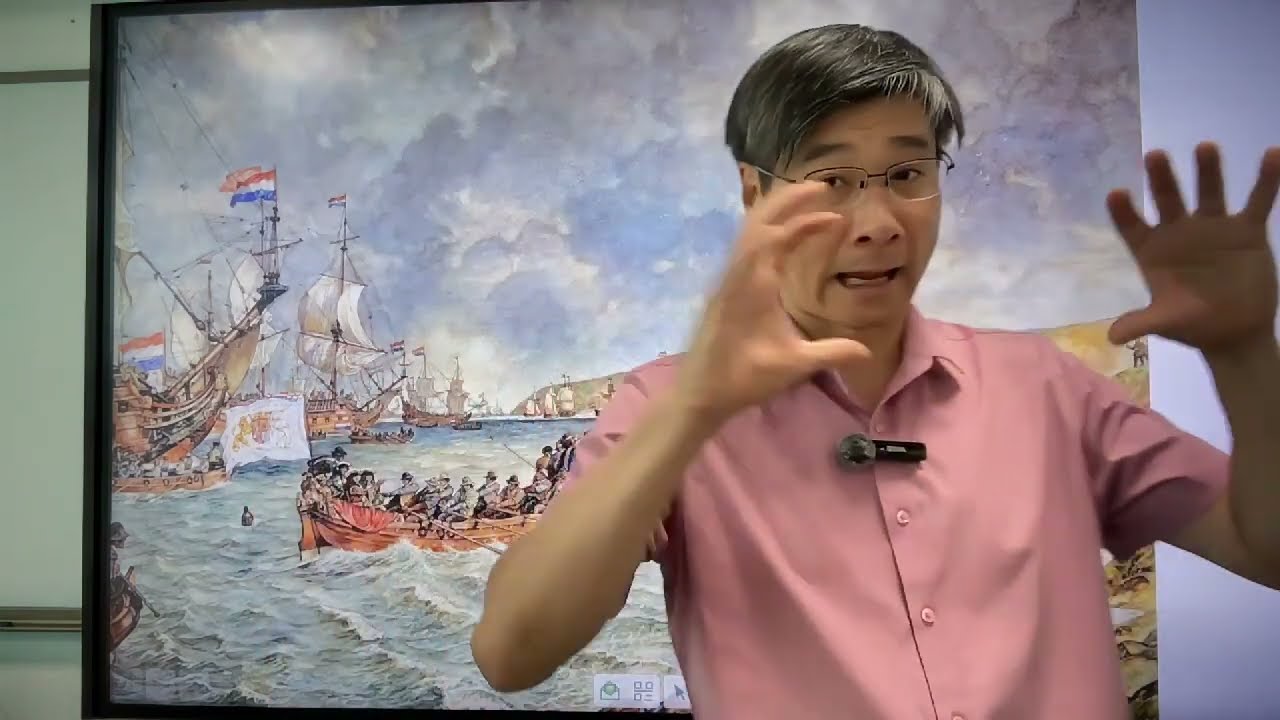
Civilization #END: The Decline and Fall of the American Empire
The Bretton Woods system established American financial hegemony
-
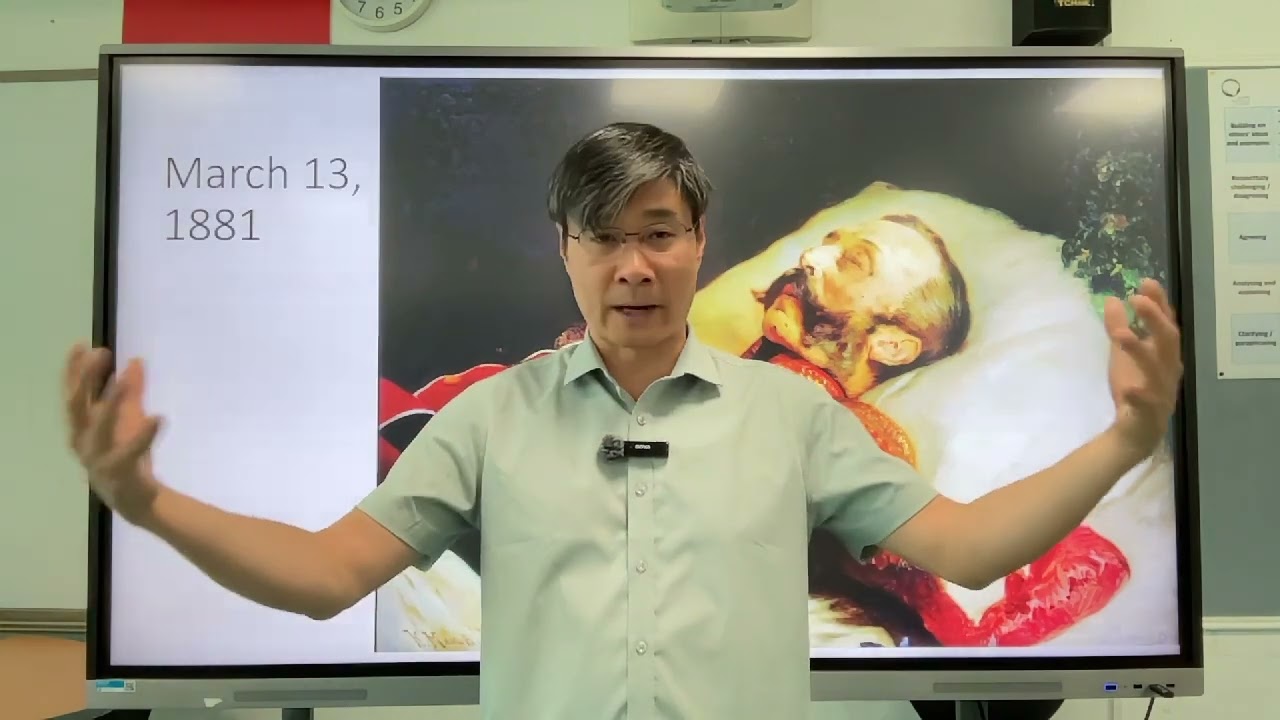
Civilization #59: The Man of Steel
Joseph Stalin rose from poverty in Georgia to become the absolute ruler of the Soviet Union, then led it to victory in World War II, transforming a weak
-
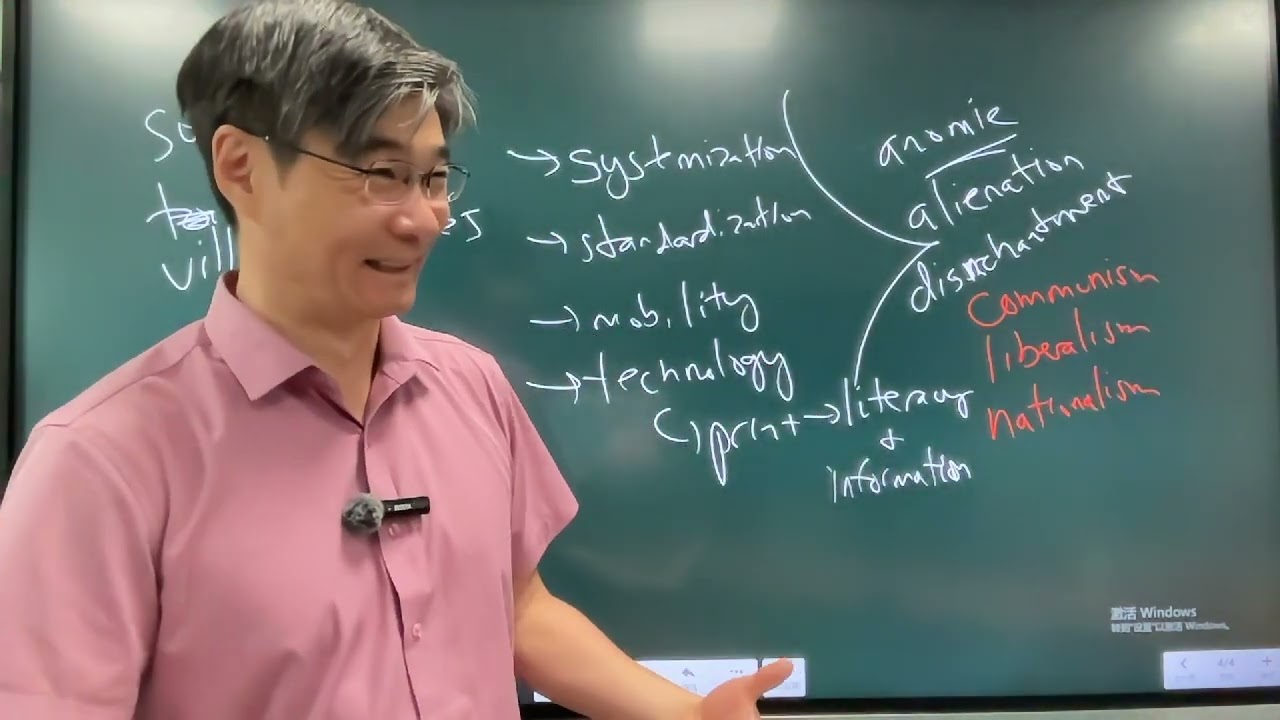
Civilization #58: Birth of the Nation-State
The nation state — the fusion of a shared national identity (language, culture, ethnicity) with a sovereign territorial state — is arguably the most powerful
-
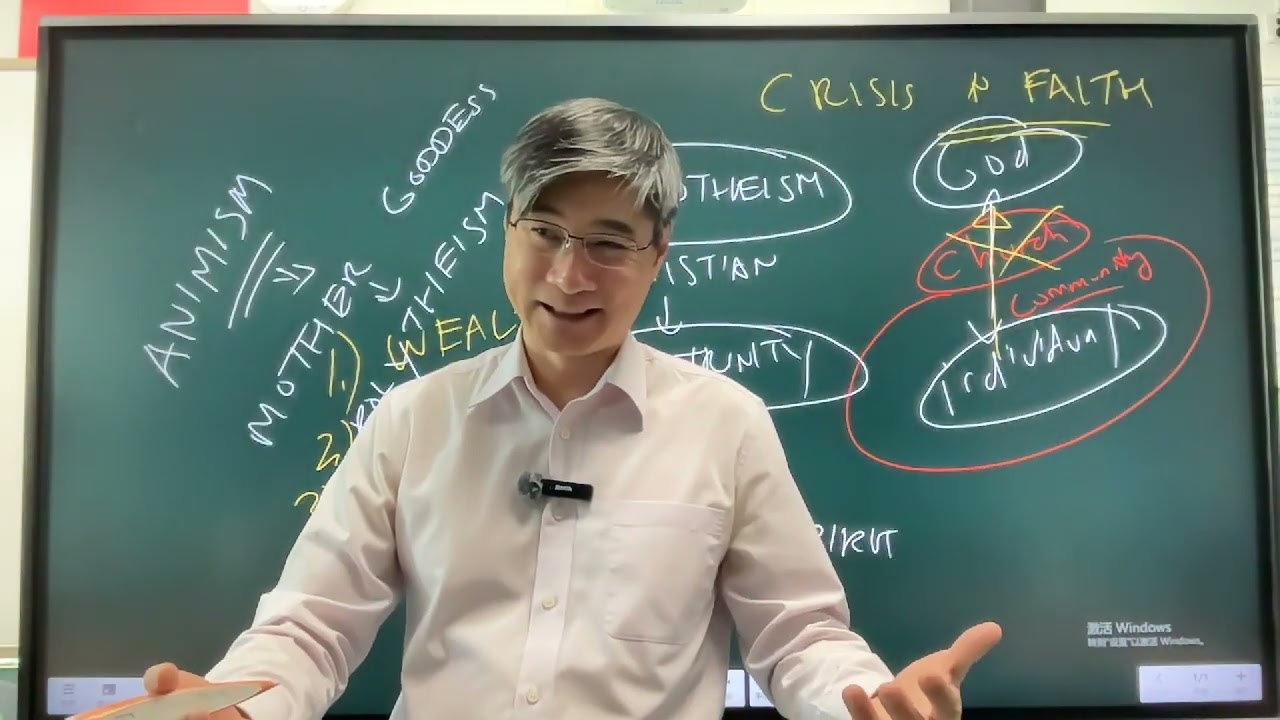
Civilization #57: How Modernism Ruined Everything
This episode traces the intellectual and cultural lineage from ancient religious traditions through modern psychology, arguing that Sigmund Freud's theories—and
-
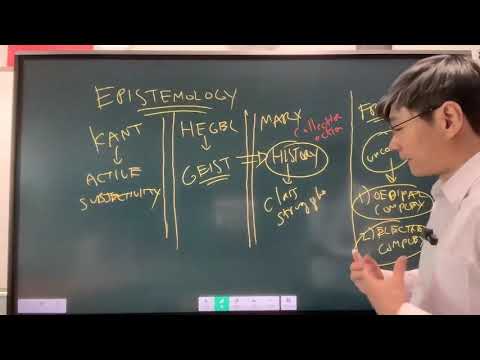
Civilization #57: How Modernism Ruined Everything (Re-upload AUDIO FIXED -- Thanks to Gabriel Bessa)
This episode traces the intellectual and cultural lineage from Western religious traditions through philosophy to Freudian psychoanalysis and modernism, arguing
-

Civilization #56: What Marx Got Wrong
This lecture examines Karl Marx's intellectual legacy, tracing how he built on Kant and Hegel to develop dialectical materialism and the theory of class
-
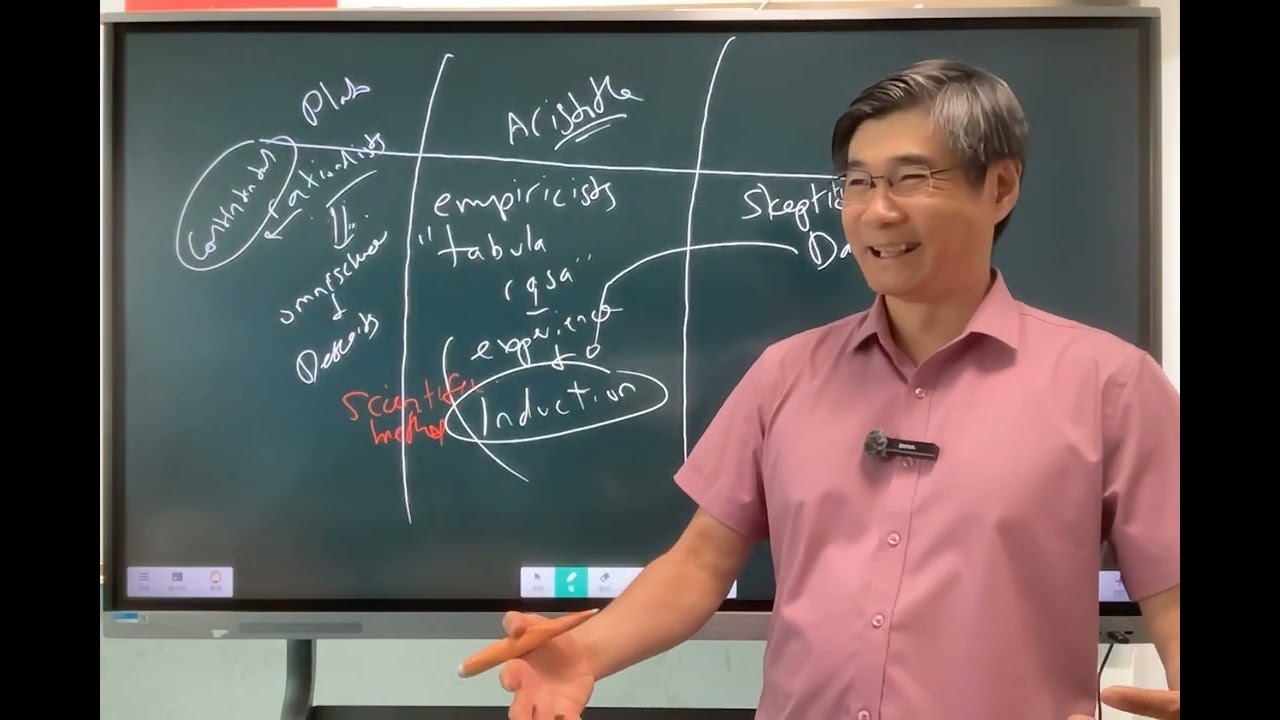
Civilization #55: Kant, Hegel, and the Theory of Everything
This episode presents Immanuel Kant and G.W.F. Hegel as the two philosophers who systematized and extended Dante Alighieri’s core insight—that the imagination
-

Civilization #54: The German Will to Power
This episode examines German civilization as one of four major powers competing for global dominance, arguing that it represents perhaps the most advanced
-
Civilization #53: Dostoevsky and the Soul of Russia
This lecture examines Russian civilization as a distinct cultural and philosophical entity, using it to explain the deeper motivations behind Russia's invasion
-
Civilization #52: Empire of Democracy
The episode examines the American Revolution and the founding of the United States as a deliberate break from traditional civilization, arguing that America was
-
Civilization #51: Shakespeare's Language of Empire
This lecture situates William Shakespeare within a broader framework of four modern civilizations—Russian, German, British, and American—that have competed for
-

Civilization #50: Rule, Britannia!
England became the world's dominant empire not by grand design but through a combination of geographic constraints, demographic pressures, and a recurring cycle
-
Civilization #49: The Dutch Golden Age and the Rise of the Middle Class
The episode traces how Spain's discovery of New World gold and silver ultimately bankrupted its feudal Catholic monarchy, creating opportunities for the Dutch
-
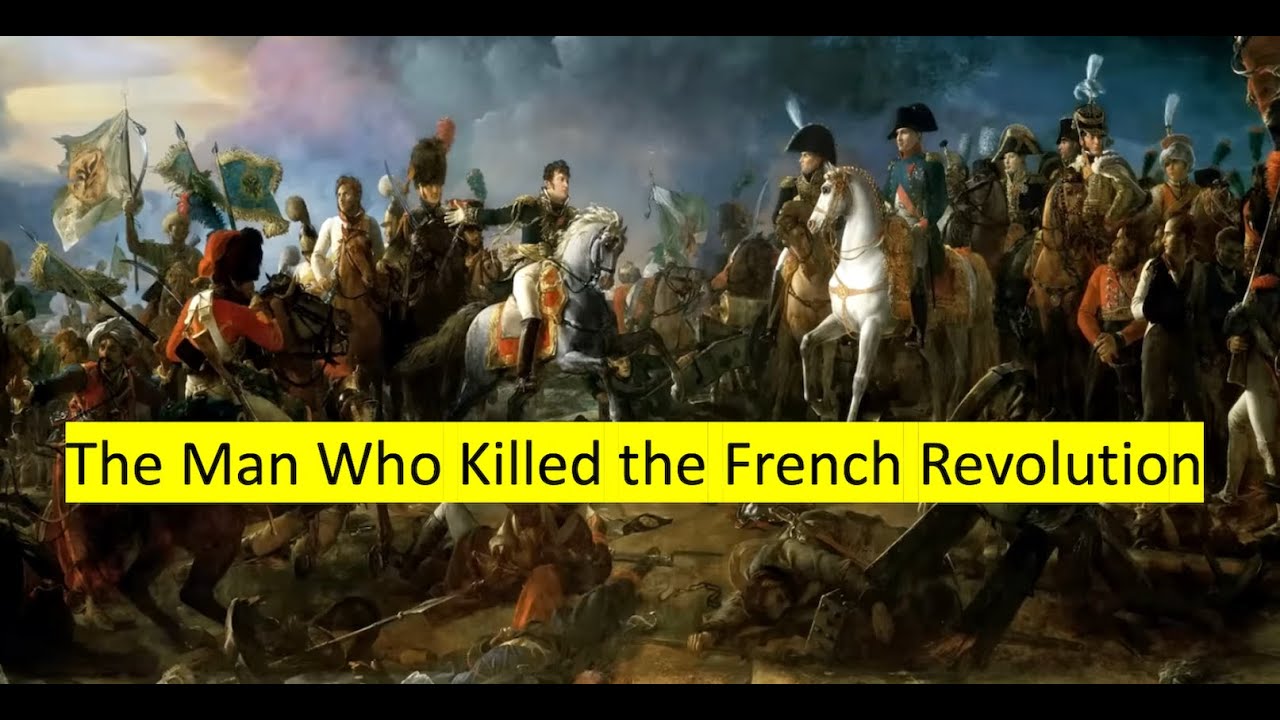
Civilization #48: Napoleon's Empire of Myth
The core argument: Robespierre, not Napoleon, made Napoleon possible. Napoleon was a military genius with total battlefield awareness, speed, and strategic
-
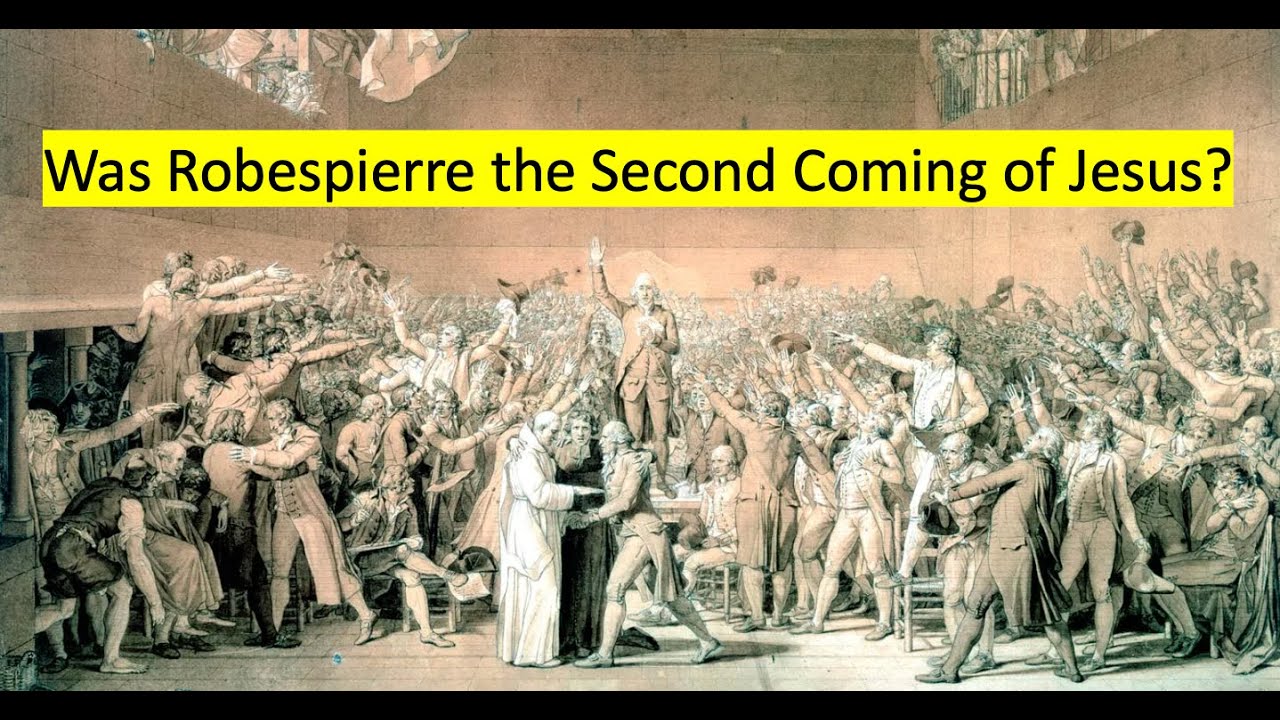
Civilization #47: The Passion of Robespierre
The episode examines Maximilien Robespierre as the central leader of the French Revolution, arguing that he saw himself as a messianic figure and deliberately
-
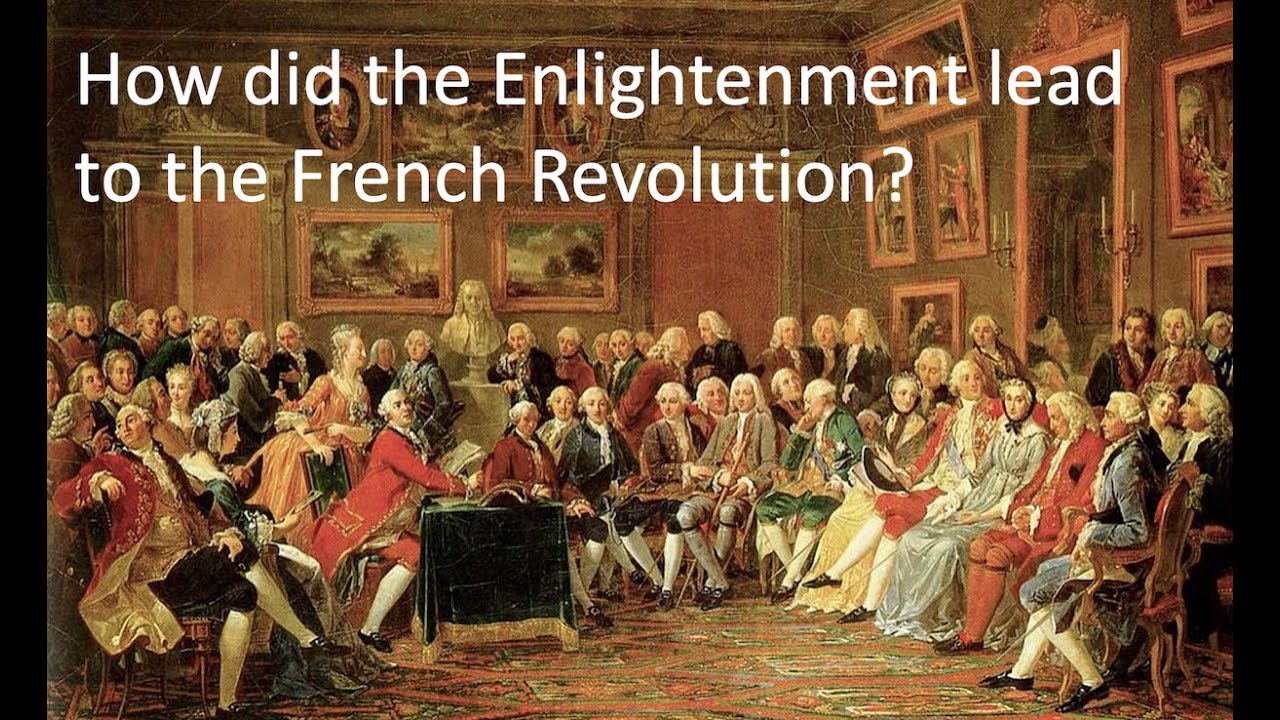
Civilization #46: The Revolution of Reason
The French Revolution is presented as the most significant event in human history because it marks the radical break from the religious worldview that had
-
Civilization #45: The Gunpowder Revolution
Starting around 1700, Europe went from being divided, poor, and weak after the fall of the Roman Empire to conquering most of the world within roughly 200
-
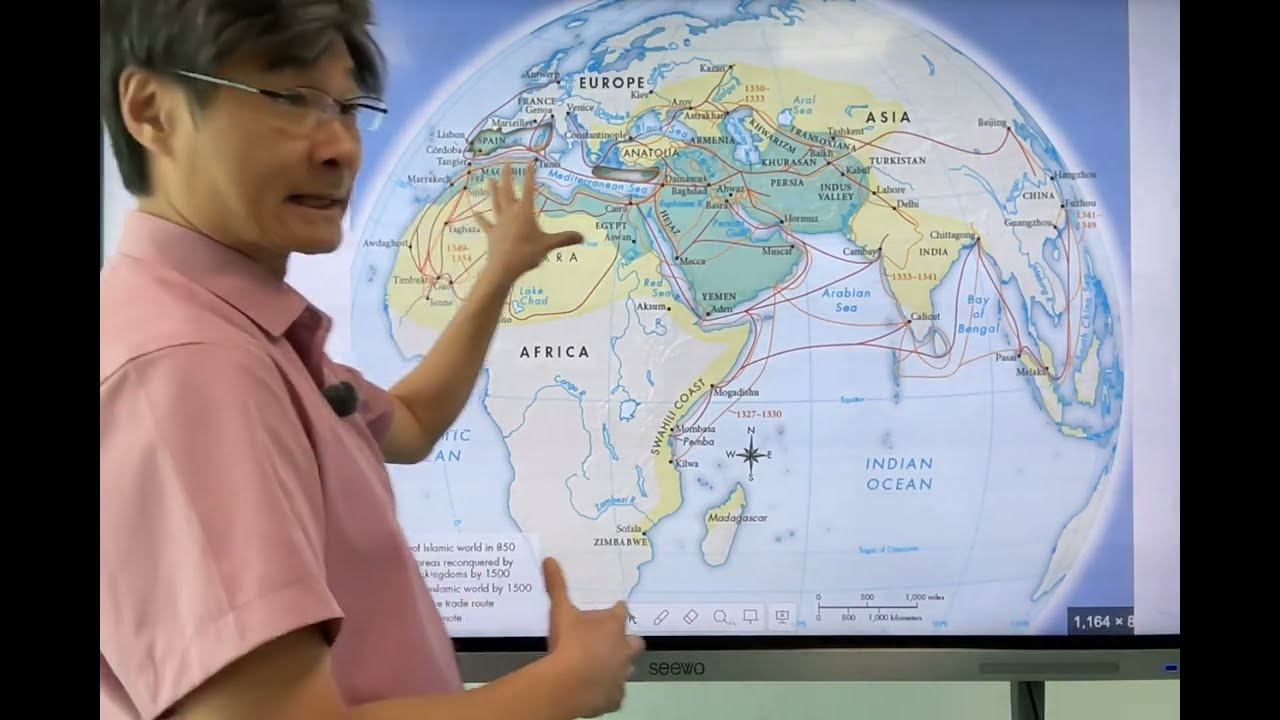
Civilization #44: The Spanish Conquest of the New World
The episode examines how a few thousand Spanish conquistadors conquered the Aztec, Maya, and Incas civilizations in less than 30 years, and argues that the
-
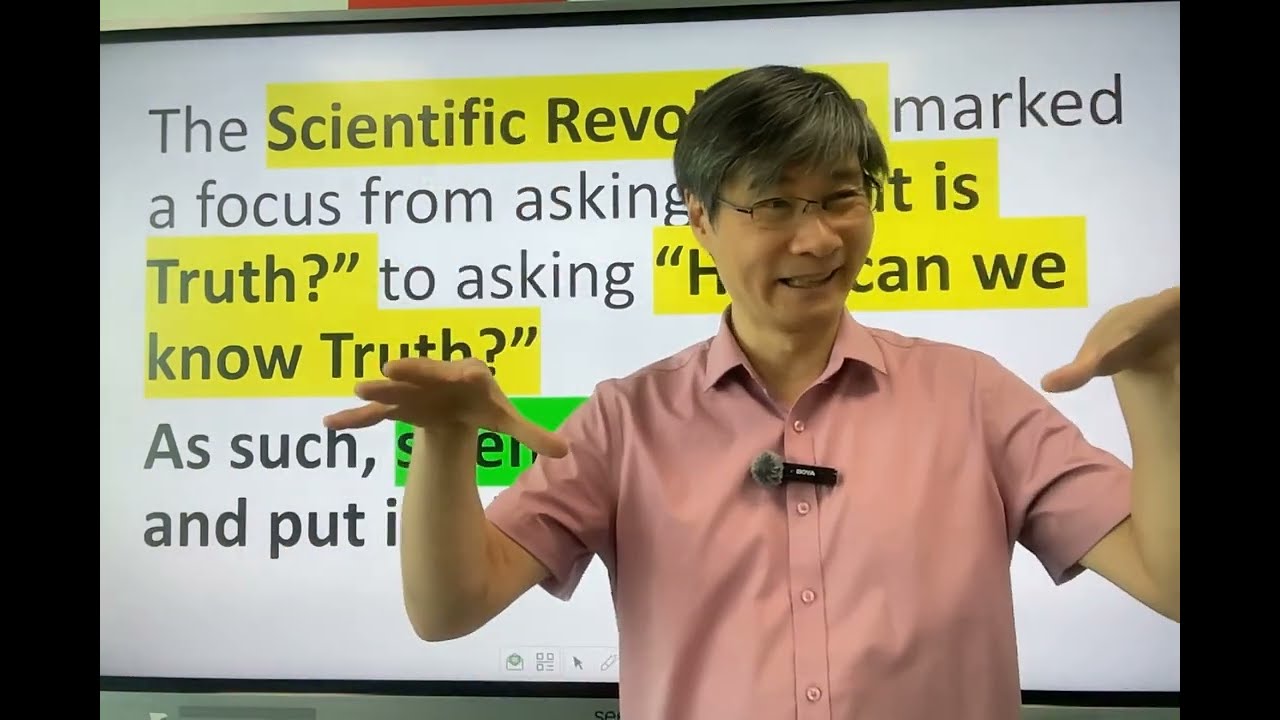
Civilization #43: The Structure of Scientific Revolutions
The episode traces the intellectual origins and evolution of the scientific revolution, arguing that it emerged from theological and philosophical shifts
-
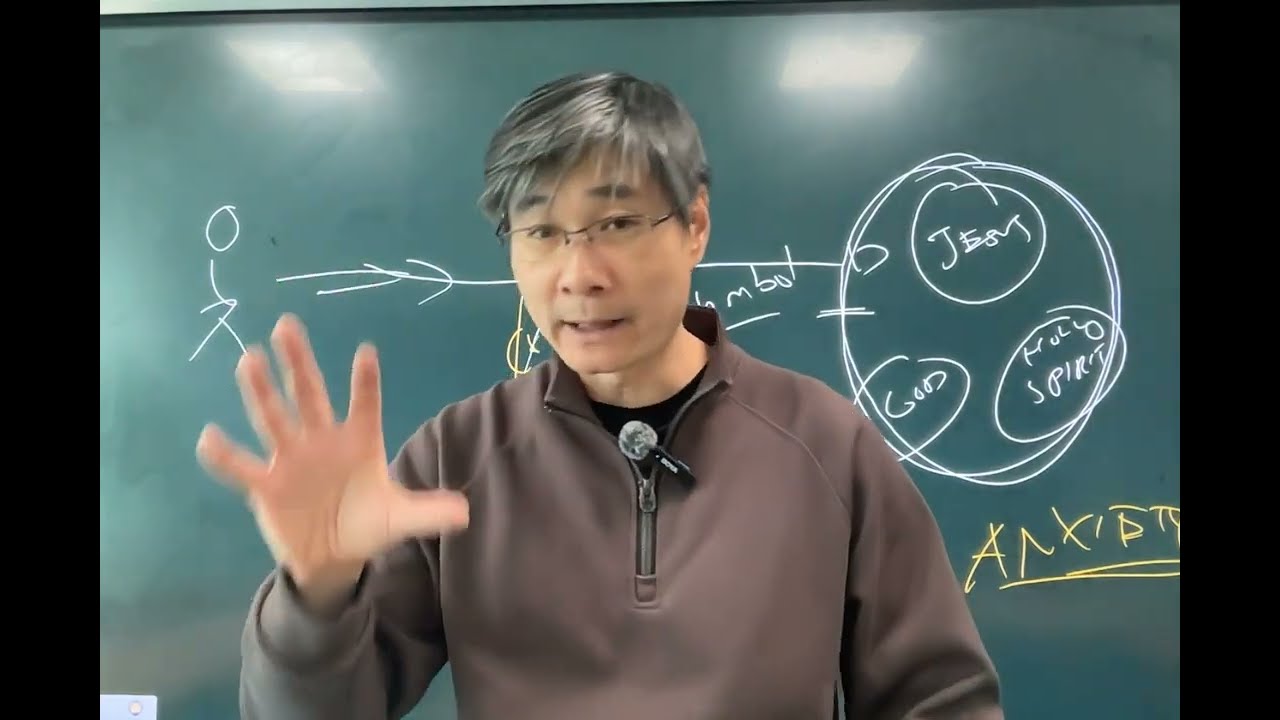
Civilization #42: The Protestant Reformation and the Birth of Capitalism
The Protestant Reformation, beginning in 1517 with Martin Luther's 95 Theses, was a response to deep structural problems in the Catholic Church, and its
-

Civilization #41: Dante's Quiet Revolution
The Renaissance was an intellectual revolution in Europe that fused classical Greek thought with Christian European culture, ultimately creating the foundations
-
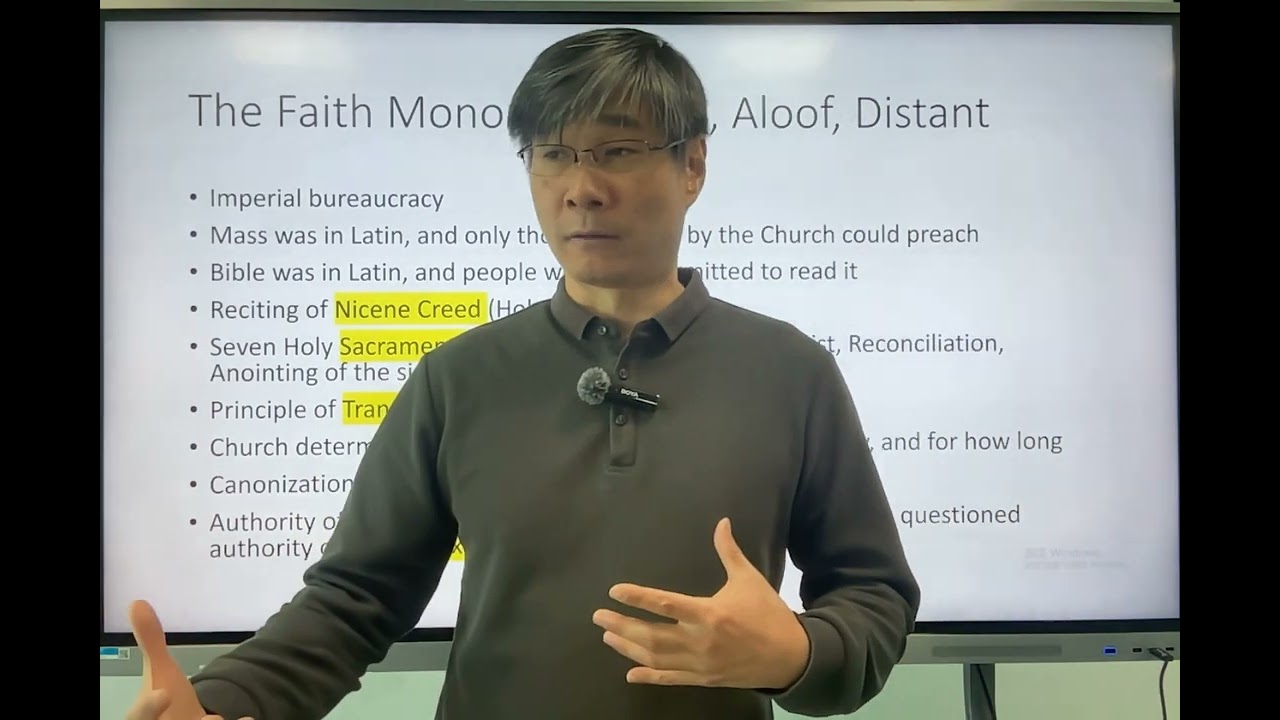
Civilization #40: Church and Empire
The Crusades were a series of religious wars launched by the Catholic Church beginning in 1095, driven by the Church's need to consolidate power amid internal
-
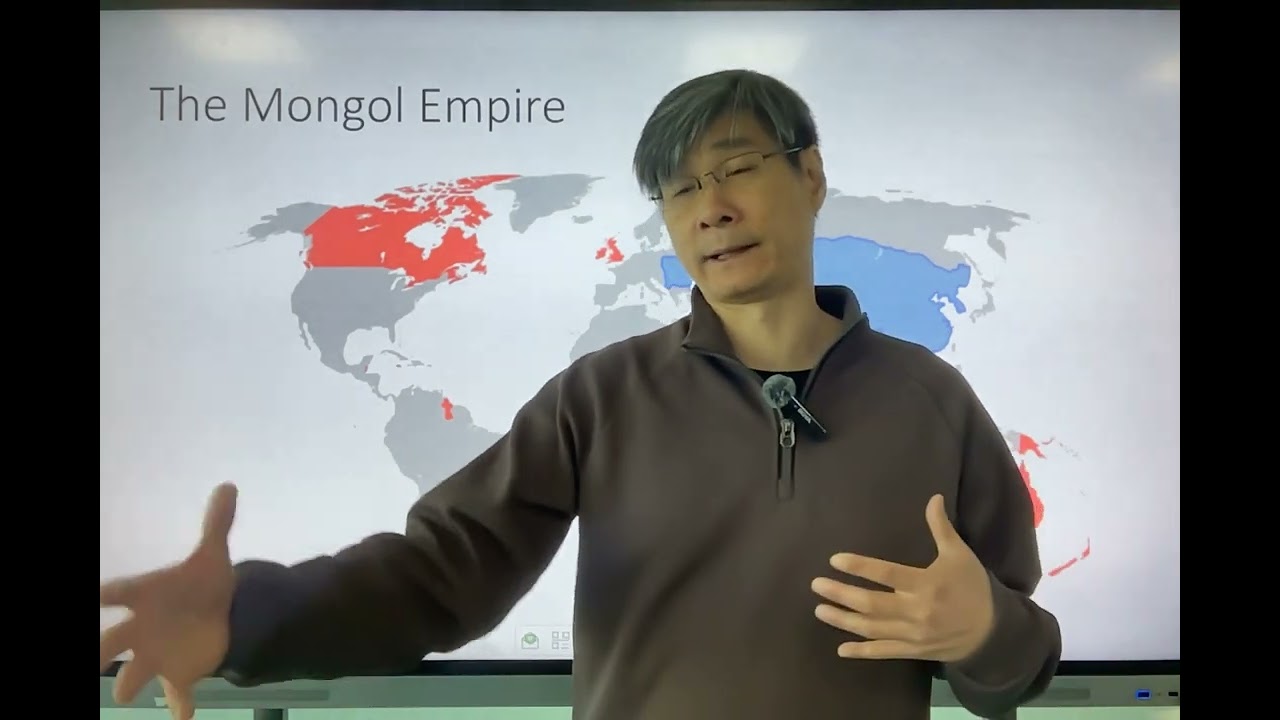
Civilization #39: Genghis Khan, World Shatterer
The episode examines Genghis Khan and the Mongol Empire, arguing that their notorious brutality was not senseless cruelty but a logical, optimal strategy given
-
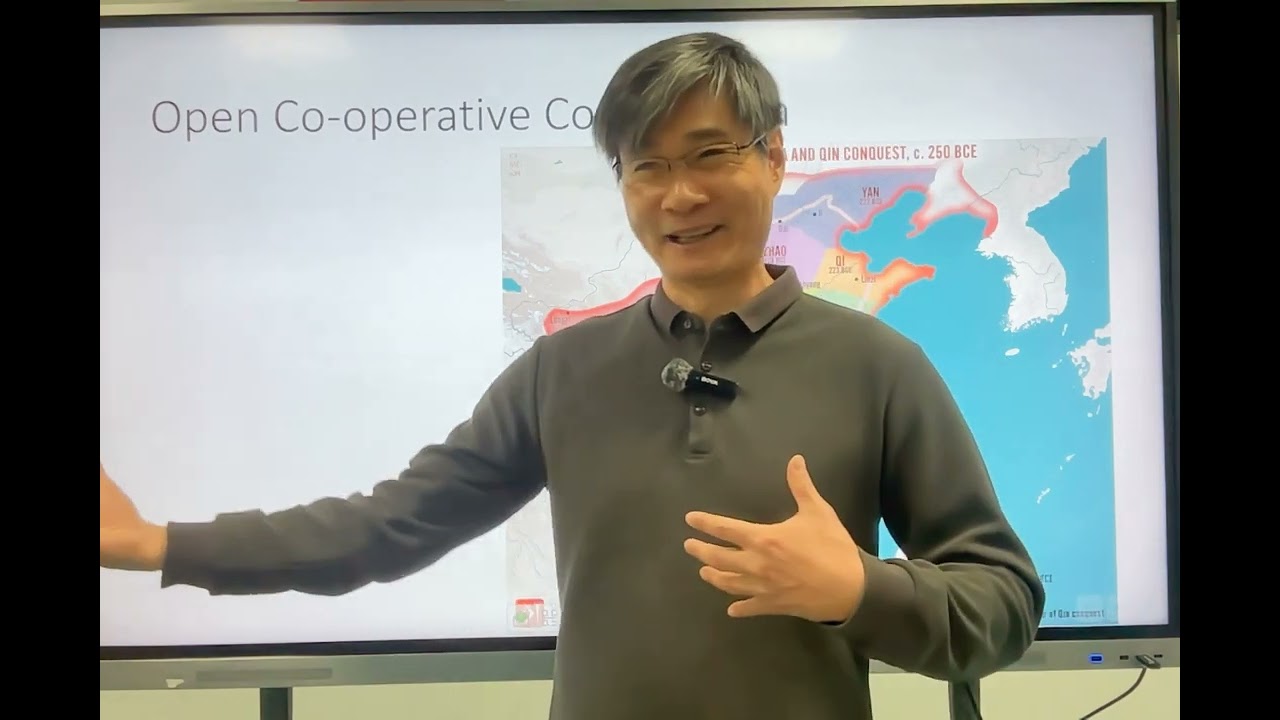
Civilization #38: Twilight of the Middle Kingdom
This lecture examines why China, despite being the world's most innovative civilization for centuries (producing paper, printing, the compass, and gunpowder)
-
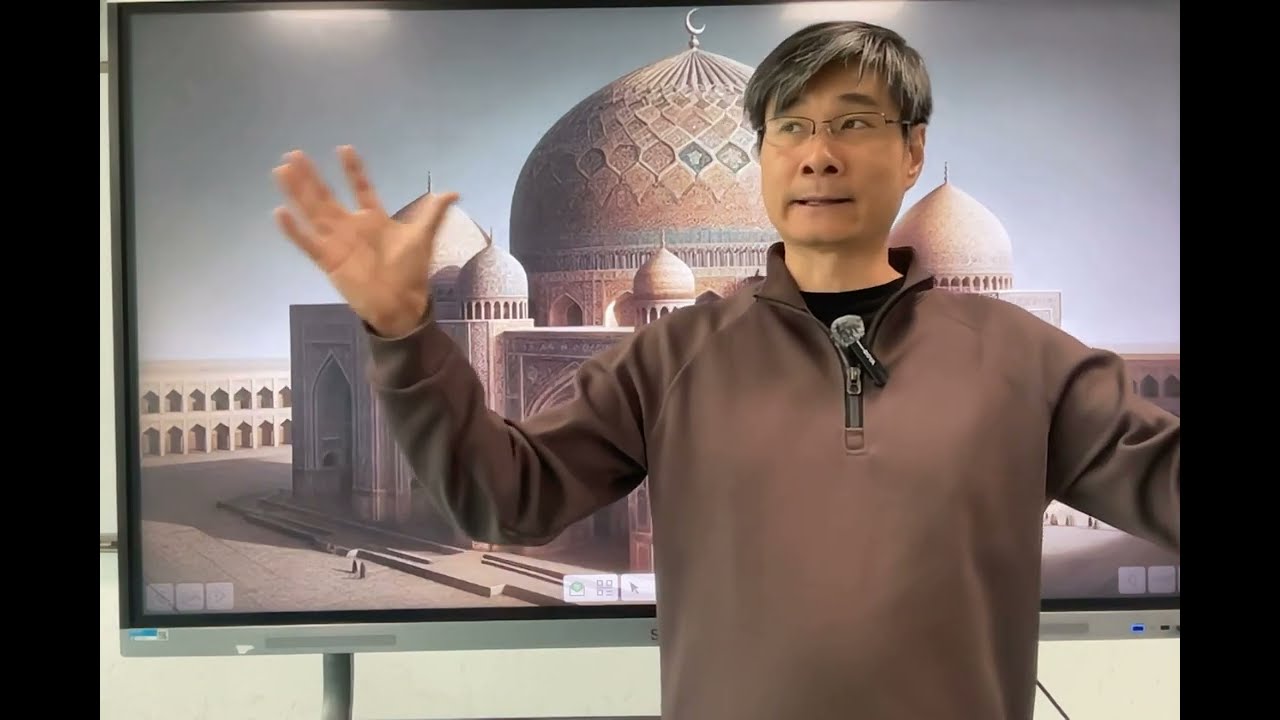
Civilization #37: The Golden Age of Islam
While medieval Europe entered its "Dark Ages," the Islamic world experienced a Golden Age of intellectual, scientific, and cultural flourishing that lasted
-
Civilization #36: Memory of the Norse
The lecture explores Viking culture and worldview, arguing it is one of the outstanding cultures of Western civilization, though poorly understood because the
-
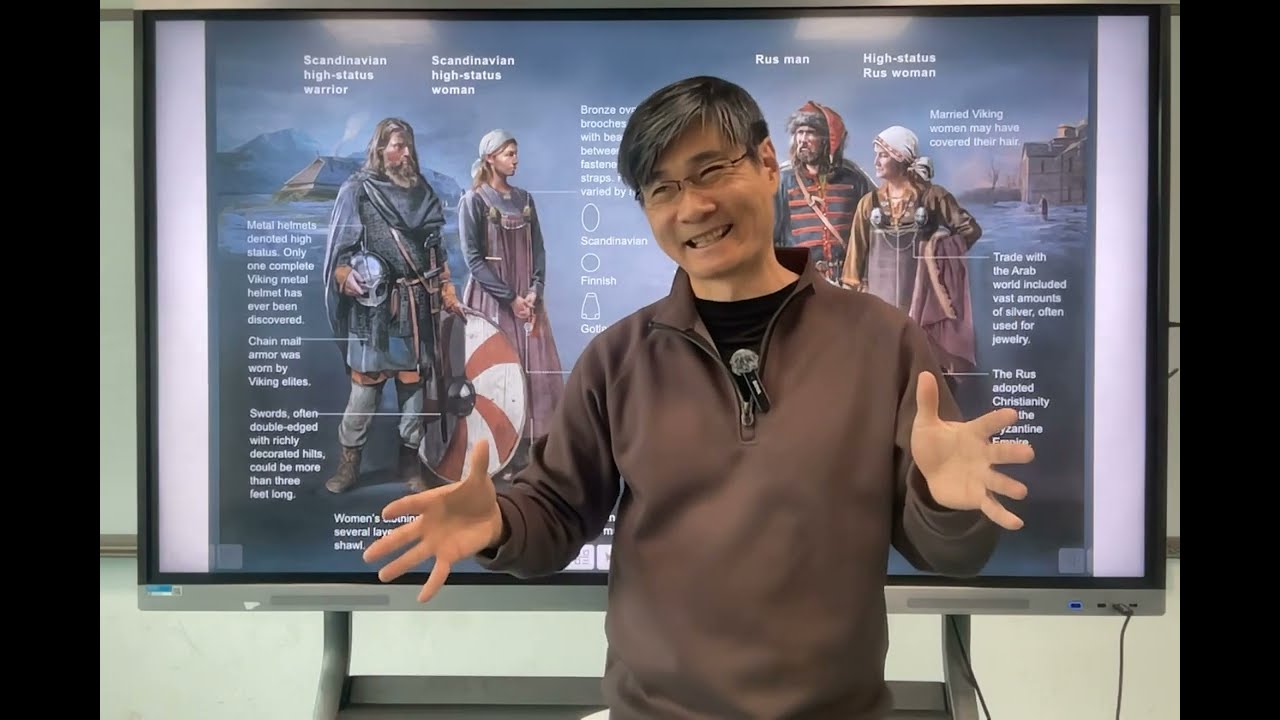
Civilization #35: The Viking Legacy
The Vikings are one of the most underappreciated and misunderstood cultures in Western civilization, and over two classes the professor argues they deserve to
-
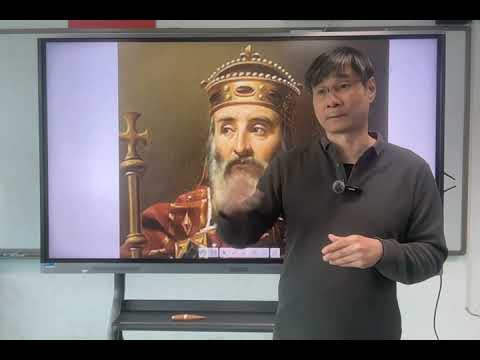
Civilization #34: The Useful Fiction of the Holy Roman Empire
The Holy Roman Empire (founded 800 CE) was a political arrangement in which the Frankish king Charlemagne was crowned emperor by Pope Leo III, creating a system
-
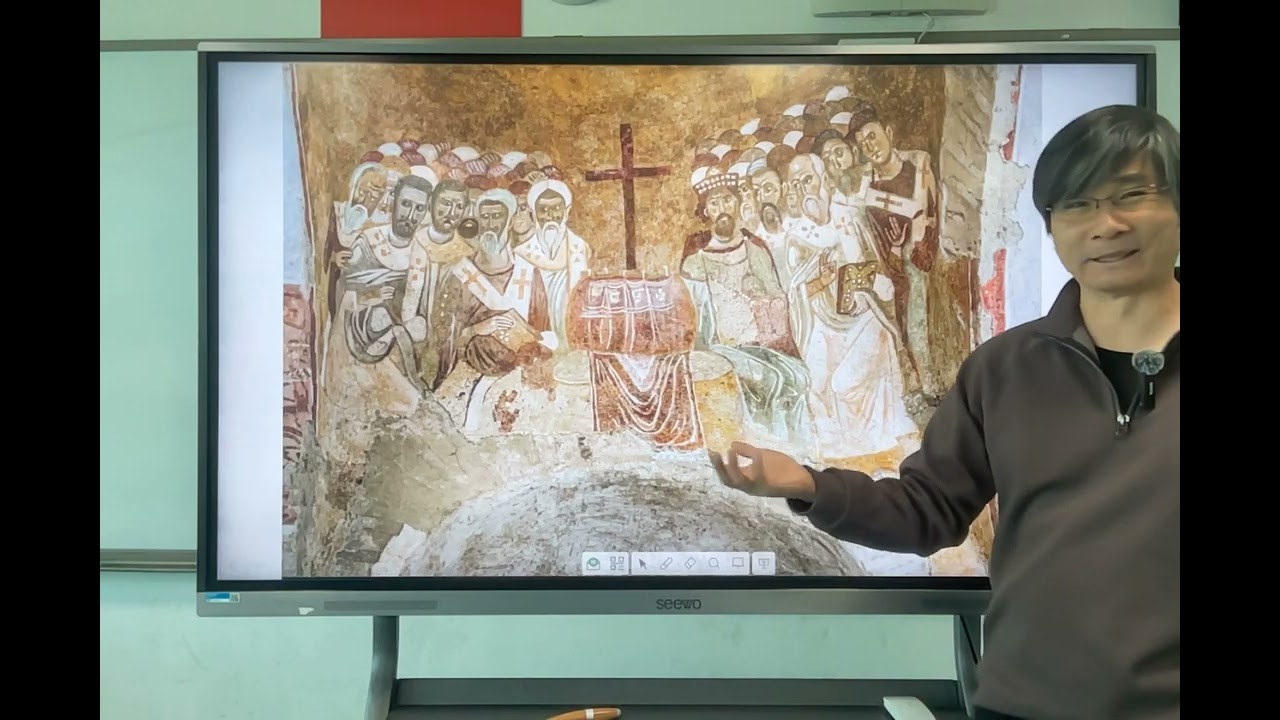
Civilization #33: The Rise and Fall of the Byzantine Empire
The episode examines the Byzantine Empire through three questions: why it was founded, how it rose to become the most enduring world empire (lasting from 330 to
-
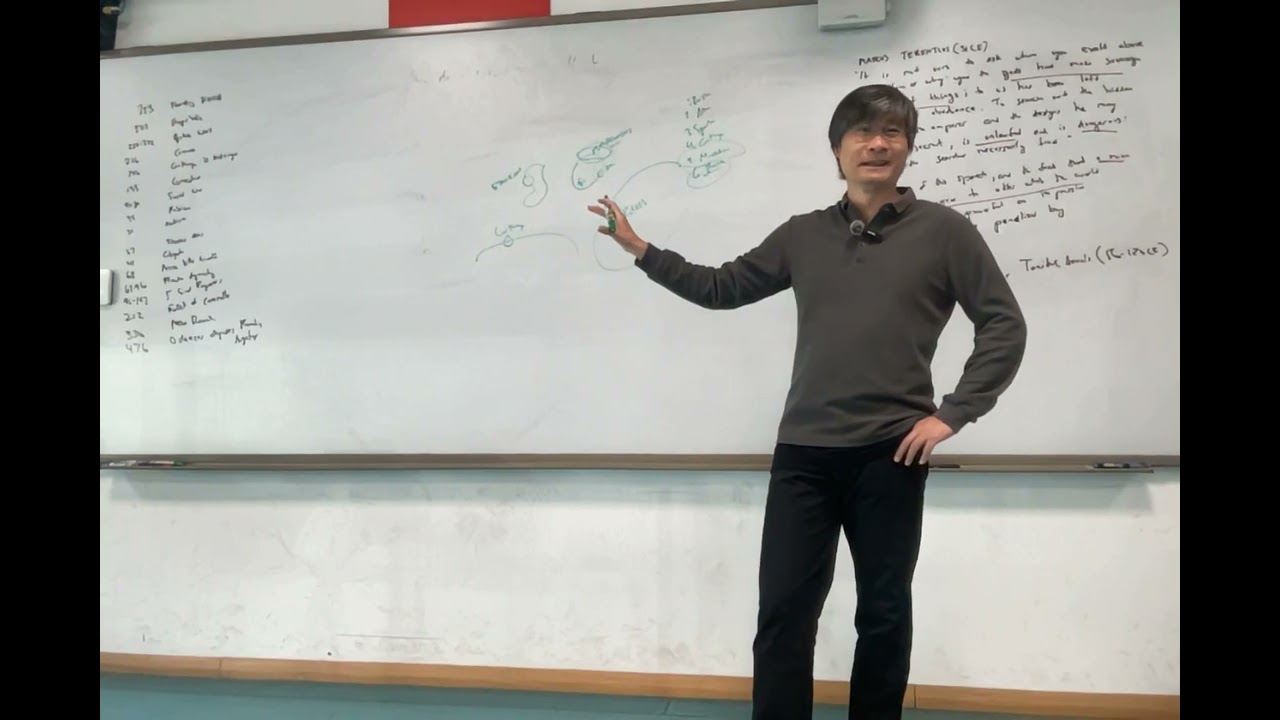
Civilization #32: Rome's Rise, Fall, and Legacy
The lecture examines the rise, fall, and legacy of the Roman Empire and draws explicit parallels to the United States, arguing that both are warlike societies
-
Civilization #31: The Oceanic Currents of History
The episode introduces a new framework for understanding history—called the oceanic currents model—that aims to explain why empires rise and fall, why conflicts
-
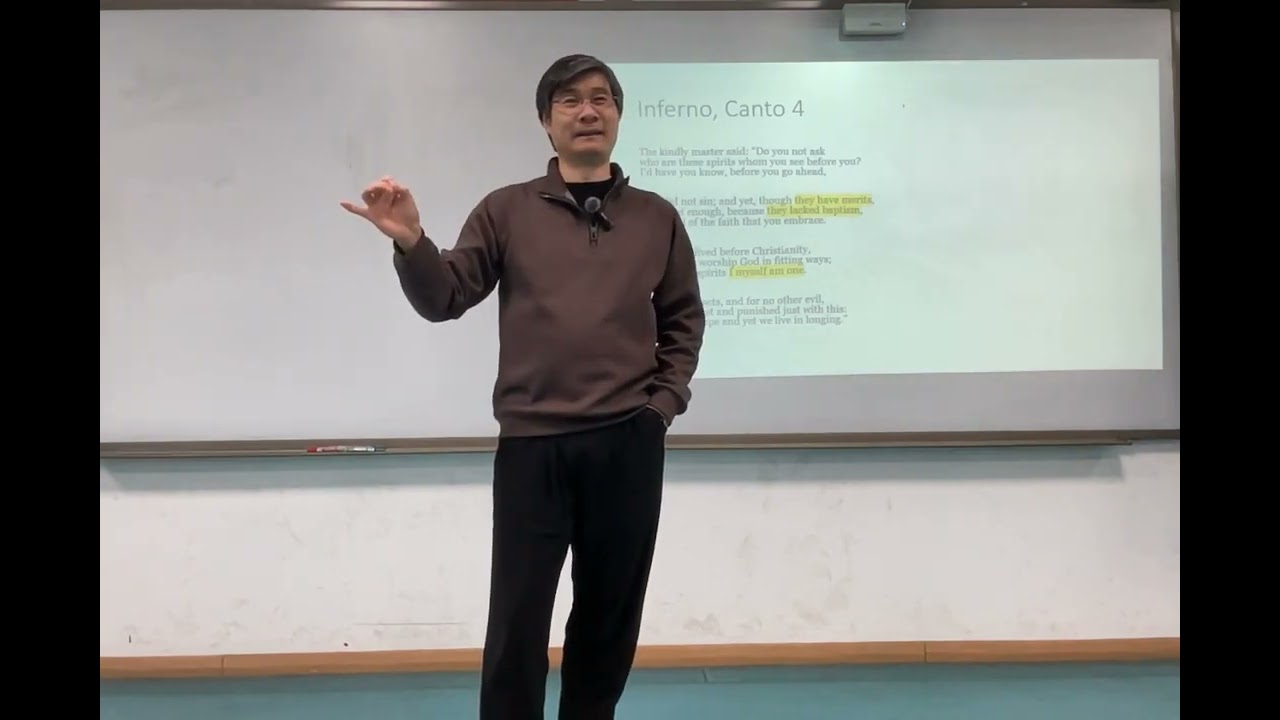
Civilization #30: Dante as the Second Coming of Homer
This is the final session of a university course on Western civilization before the semester break. The class concludes its study of Dante's Divine Comedy and
-
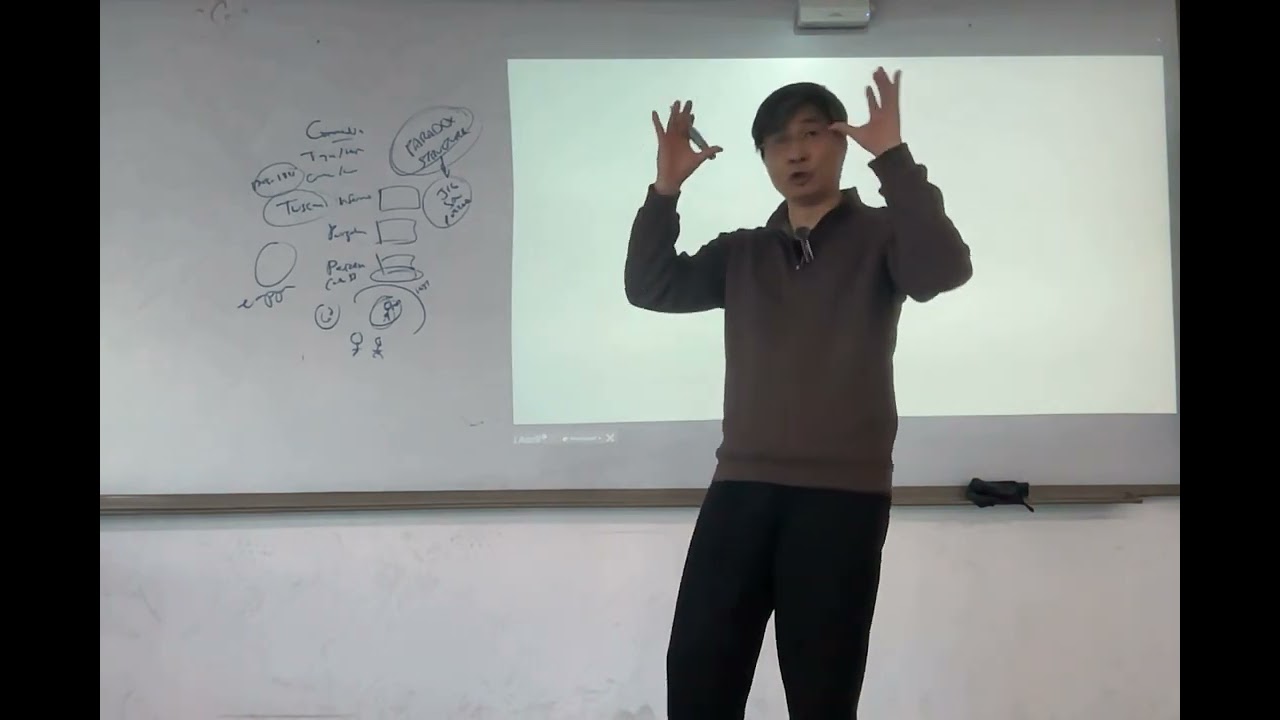
Civilization #29: Dante's Divine Comedy and the Liberation of the Human Imagination
Dante Alighieri's Divine Comedy (written 1308–1321) is presented as the height of civilization—an epic poem that restructures Christian theology, overturns the
-
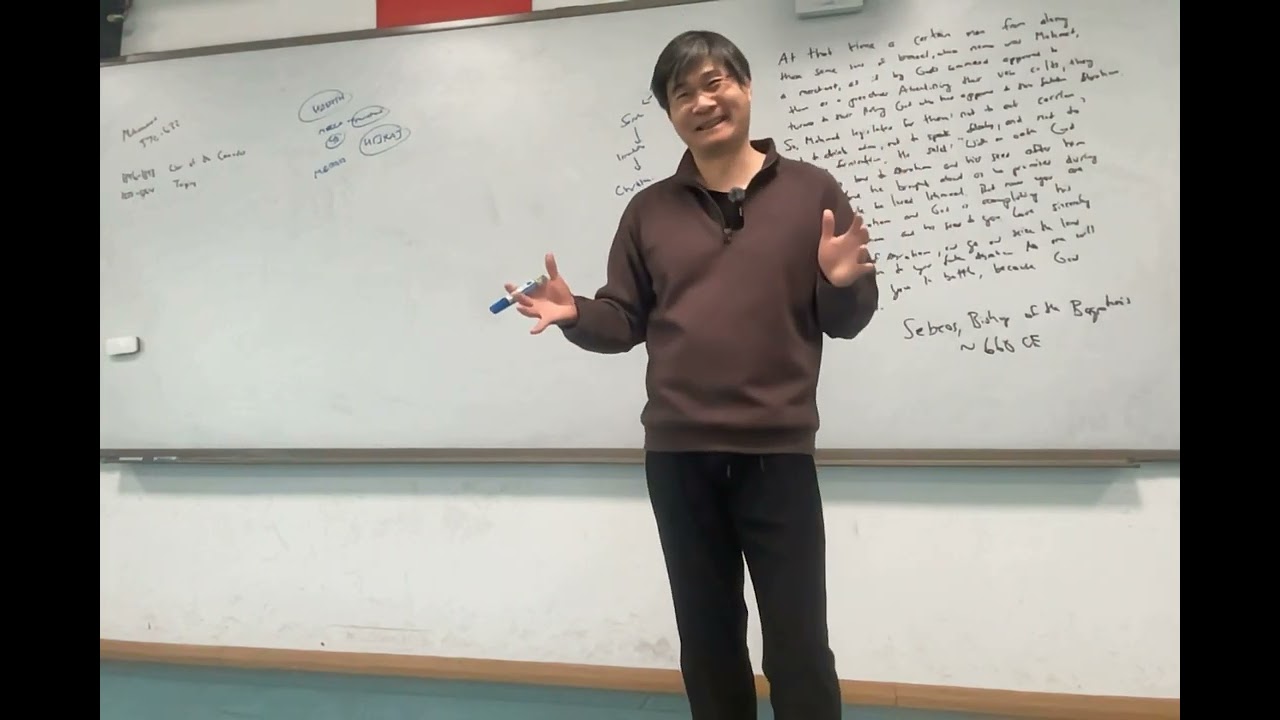
Civilization #28: Muhammad's Revolution of God
Muhammad, born around 570 CE in Mecca, was a merchant and the founder of Islam, one of the most influential figures in human history, yet we know surprisingly
-
Civilization #27: Augustine's Empire of God
Augustine is the intellectual architect of the Catholic Church, the largest organization in human history with 1.5 billion members and nearly 2,000 years of
-
Civilization #26: Constantine's Monotheistic Revolution
The episode argues that monotheism — specifically as defined by the Christian doctrine of the Holy Trinity established at the Council of Nicaea in 325 CE
-
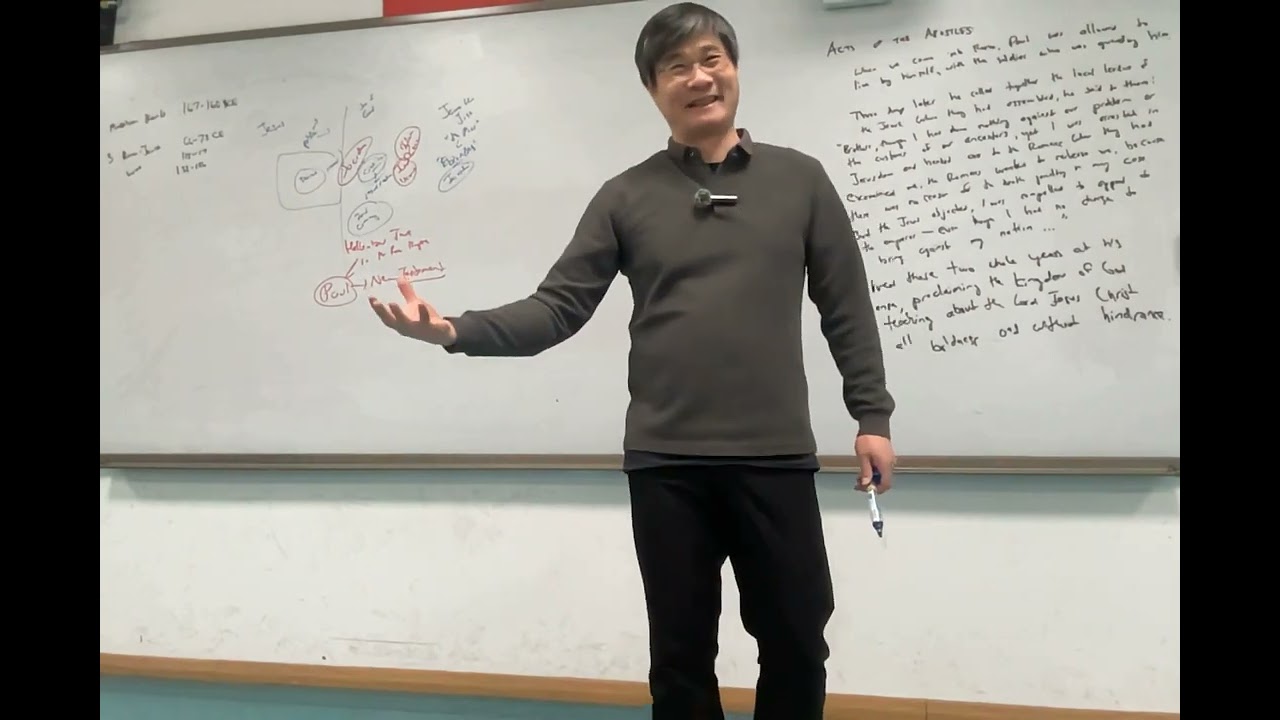
Civilization #25: Paul of Tarsus, Messiah of Rome
The episode traces how Christianity diverged radically from the actual teachings of Jesus, arguing that Paul of Tarsus—not Jesus—was the true founder of
-
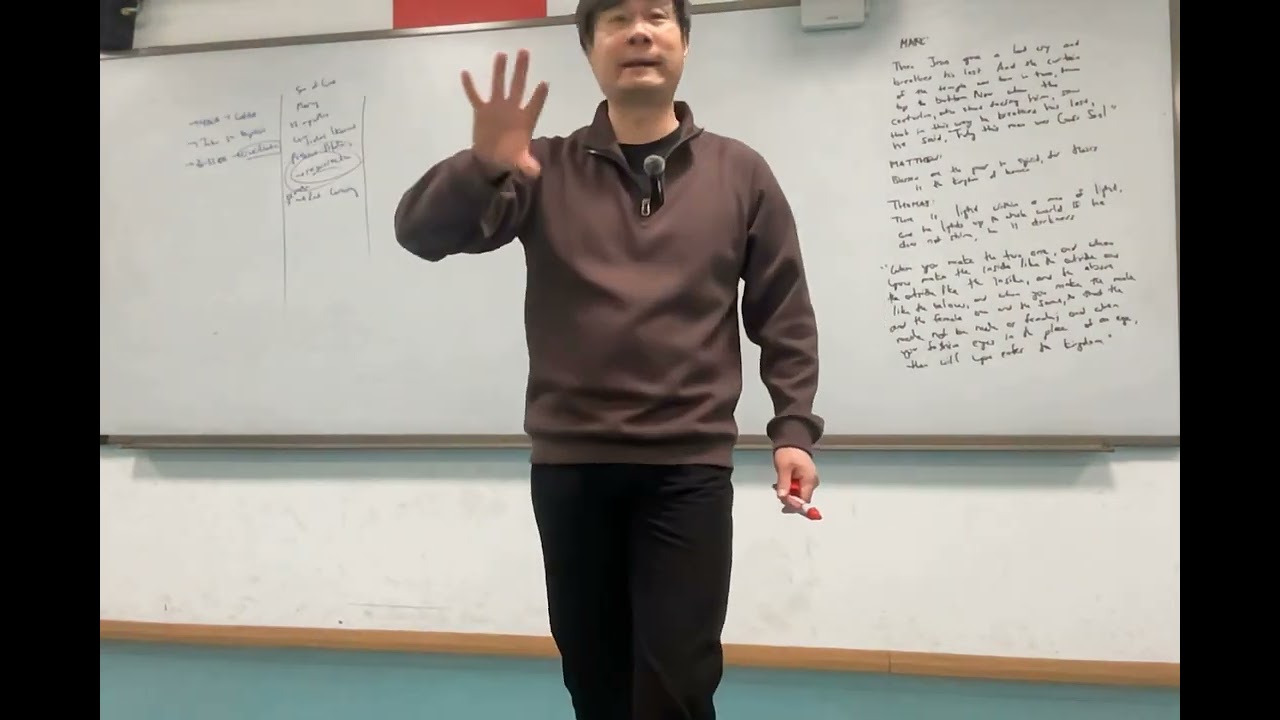
Civilization #24: Resurrecting the Gnostic Jesus
The episode explores who Jesus really was, separating the historical figure from the biblical narrative, and argues that the religion he actually
-
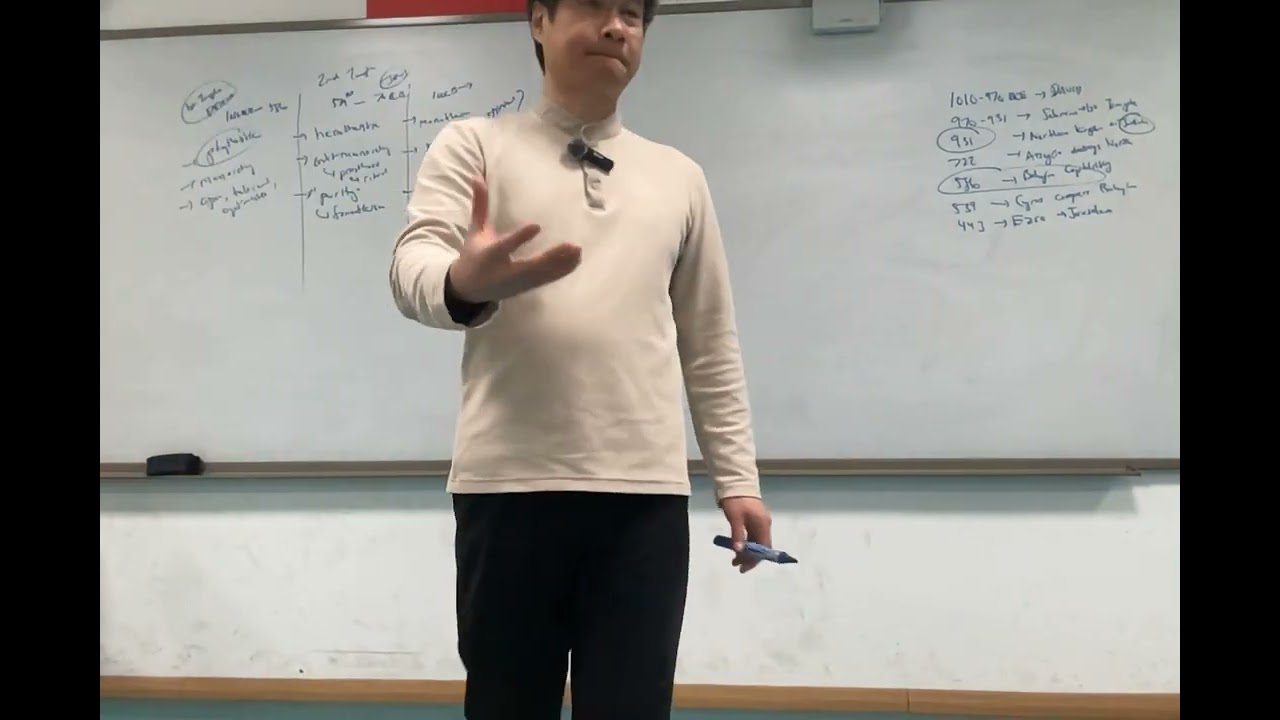
Civilization #23: Cyrus the Great as Messiah
This lecture traces the evolution of ancient Israelite religion from roughly 1010 BC to the emergence of Christianity, focusing on how historical upheavals
-
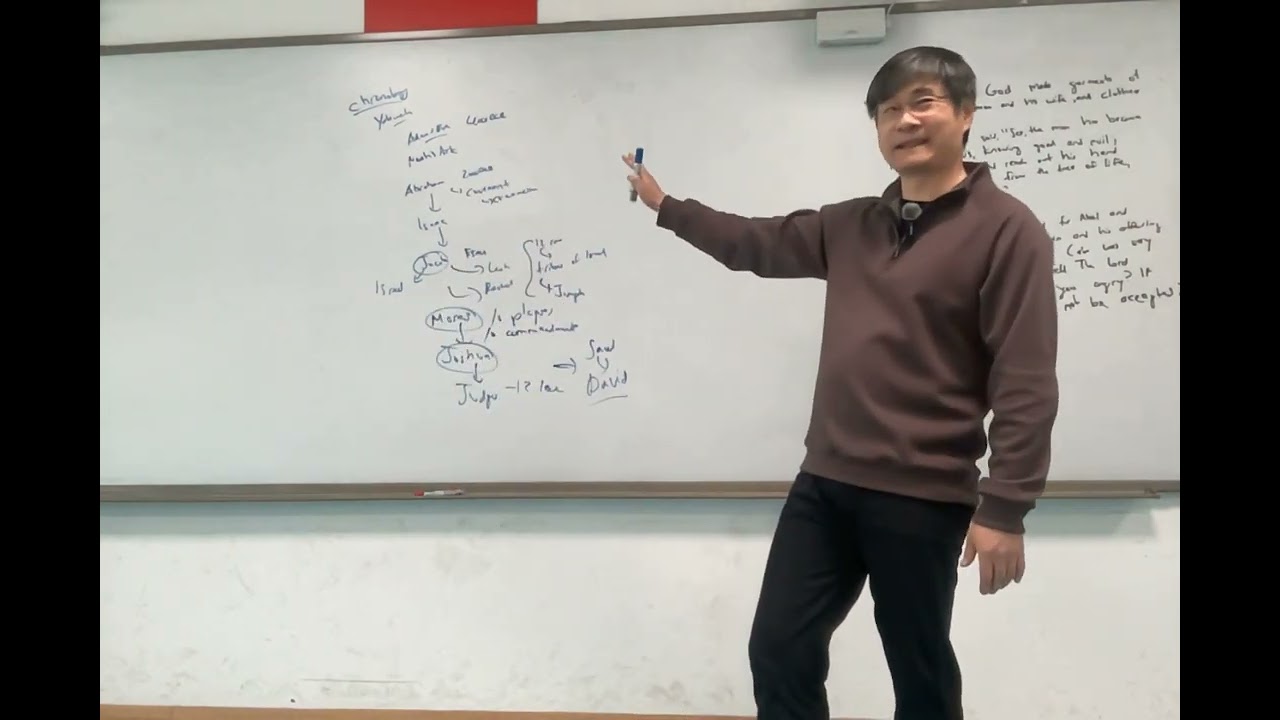
Civilization #22: The Literary Genesis of the Yahwist
The Hebrew Bible is not a historical chronology or pure fiction but a cosmology—a literary and theological project designed to create legitimacy, national
-
Civilization #21: The Apology of King David of Israel
The Bible is introduced as the most influential book in history, shaping civilizations and modern conflicts, but the instructor challenges both traditional
-
Civilization #20: The Proto-Buddhists of the Indus Valley (Harappan) Civilization
The episode examines the Indus Valley civilization (IVC), the third great Bronze Age civilization alongside Egypt and Mesopotamia, covering what made it
-
Civilization #19: Gilgamesh and Mesopotamia's Quest for Immortality
This lecture examines Mesopotamian civilization through the lens of mythology, geography, and cultural evolution, contrasting it with Egypt to reveal how
-
Civilization #18: The Great Pyramid as Ancient Egypt's Manhattan Project
The Great Pyramid of Giza, built around 2500 BCE under Pharaoh Khufu, is the last surviving wonder of the ancient world and stood as the tallest man-made
-
Civilization #17: Homer, Vergil, and the War for the Soul of Rome
This lecture examines how Augustus Caesar used Virgil's Aeneid as a tool of political and cultural propaganda to reshape Roman identity, legitimize his rule
-

Civilization #16: Julius Caesar's Will and Octavian's Birth of Empire
In 44 BCE, Julius Caesar is assassinated by a conspiracy of about 60 senators led by Marcus Brutus, Cassius, and Decimus Brutus, triggering a chaotic power
-
Civilization #15: The Myth-Making Genius of Julius Caesar
Julius Caesar as mythmaker: The episode argues that Caesar's extraordinary success stemmed not merely from military or political skill but from his ability as a
-
Civilization #14: Hannibal Barca, Lucius Brutus, and the Triumph of Rome
This episode traces the rise of the Roman Republic from a small, poor kingdom in central Italy to the dominant power in the Mediterranean by roughly 200 BC
-
Civilization #13: Aristotle and the Greek Legacy
The episode presents a controversial reinterpretation of Aristotle—not as an original philosopher, but as a political "censor" or systematizer working for
-
Civilization #12: The Tyranny of Alexander the Great
This episode applies a father–son leadership model to analyze Alexander the Great, testing whether the model can both explain and predict his behavior as king.
-
Civilization #11: The Greatness of Philip II of Macedon
This episode explains how Greek culture spread across the ancient world not because it was inherently superior and naturally diffused, but through military
-
Civilization #10: The Trial of Socrates and Plato's Allegory of the Cave
This episode examines Socrates, his trial and execution, and how his student Plato used philosophy—especially the Allegory of the Cave—to redeem Socrates’
-
Civilization #9: Aeschylus, Sophocles, and Euripides as Prophets of Democracy
Greek theater in Athens was not entertainment in the modern sense—it was the central institution through which Athenians built and reinforced a collective
-
Civilization #8: Rat Utopia and the Peloponnesian War
This episode is a lecture on Greek history from roughly 500 to 404 BCE, focusing on how geography shaped the two dominant city-states—Sparta and Athens—and how
-
Civilization #7: Homer's Iliad and the Birth of Greek Civilization
Greek civilization is presented as the most creative and significant in human history, forming the foundation of Western civilization, and achieving its
-
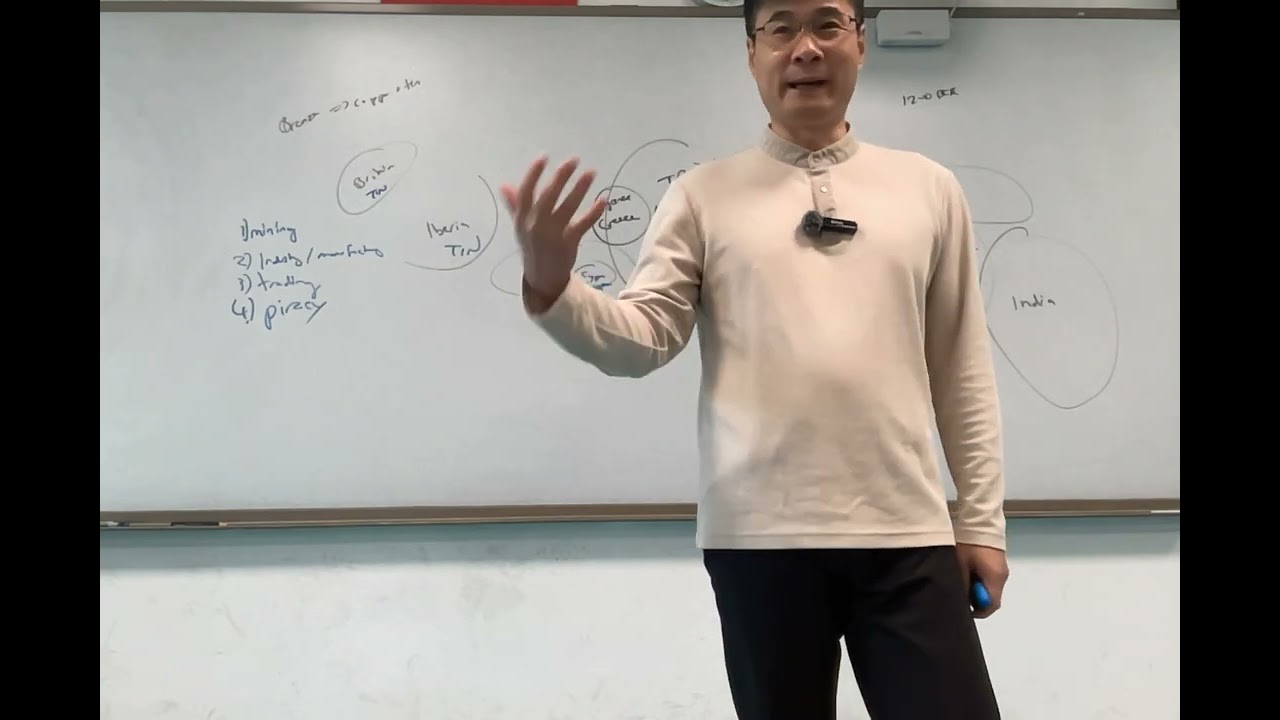
Civilization #6: Elite Overproduction and the Bronze Age Collapse
Around 1200 BC, a highly interconnected, globalized Bronze Age world — stretching from Britain and Iberia through the Mediterranean, Egypt, Anatolia (modern
-
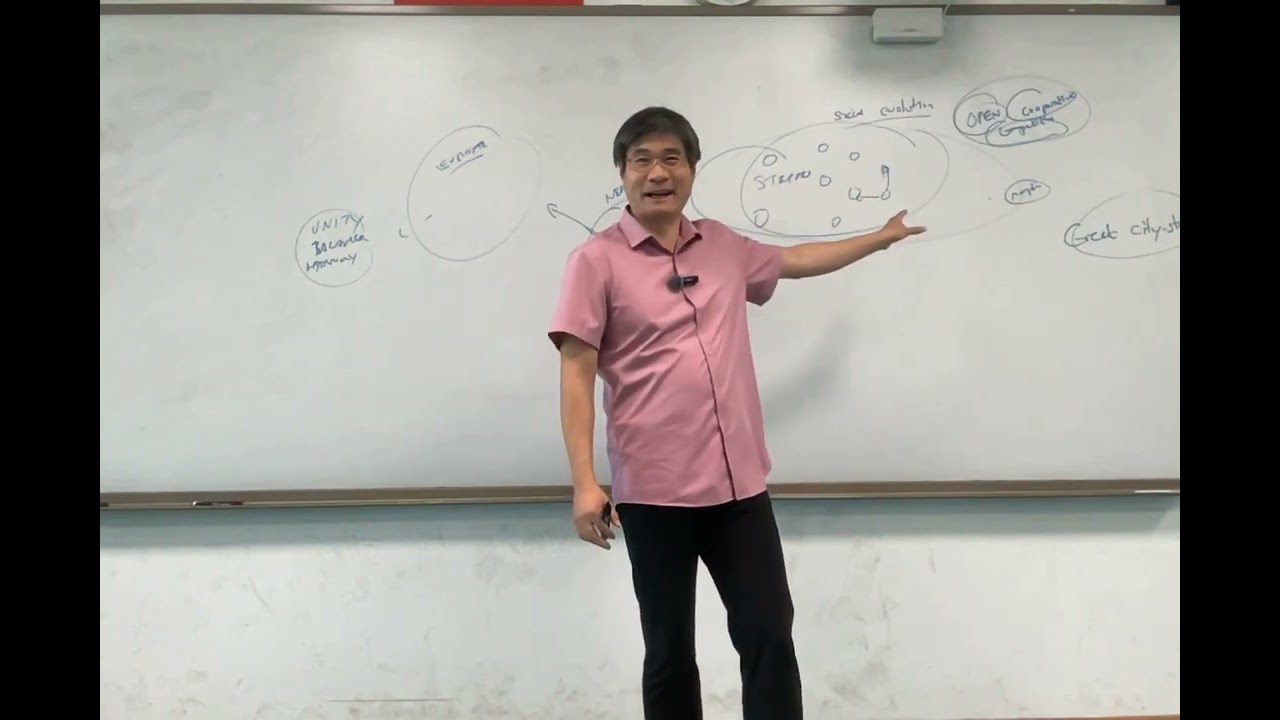
Civilization #5: The Yamnaya Conquest of Europe
The episode explains how Europe transformed from an egalitarian, peaceful, goddess-worshipping farming society into a patriarchal, warlike civilization through
-
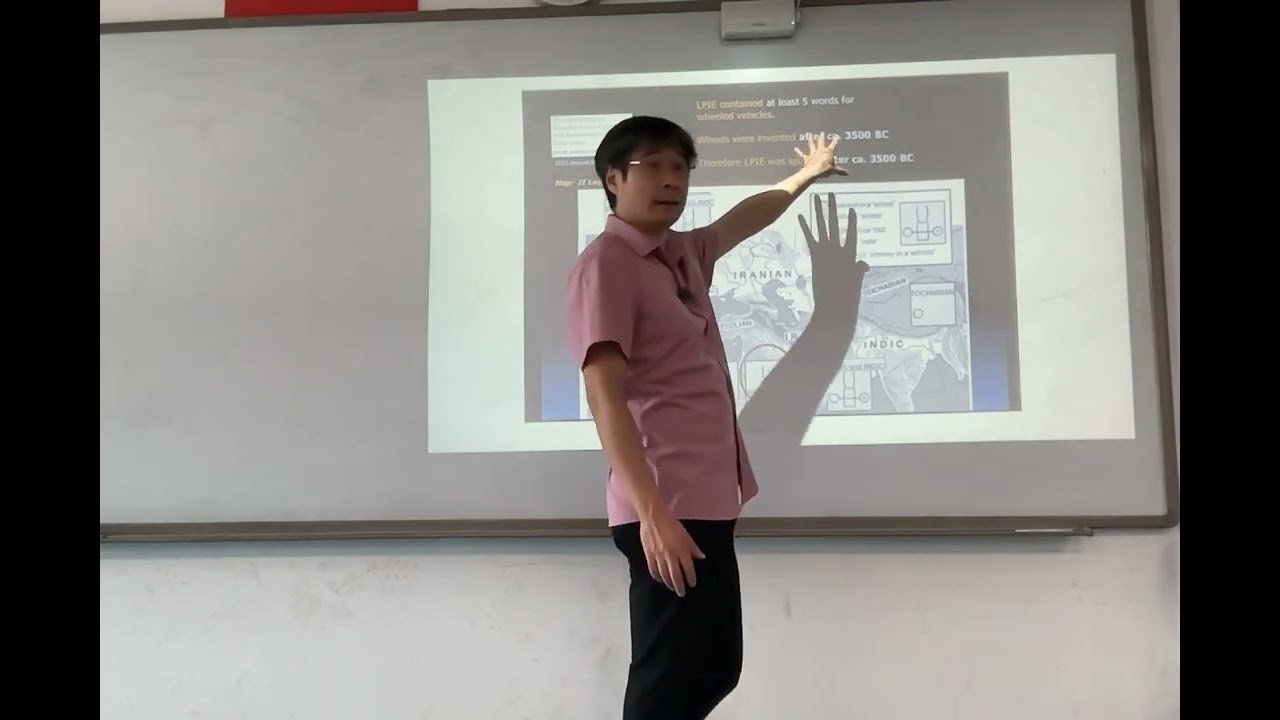
Civilization #4: The Paradise Lost of Marija Gimbutas
For most of human history, societies were organized around a mother-goddess-centered, animistic religion that saw all life as connected, producing cultures that
-
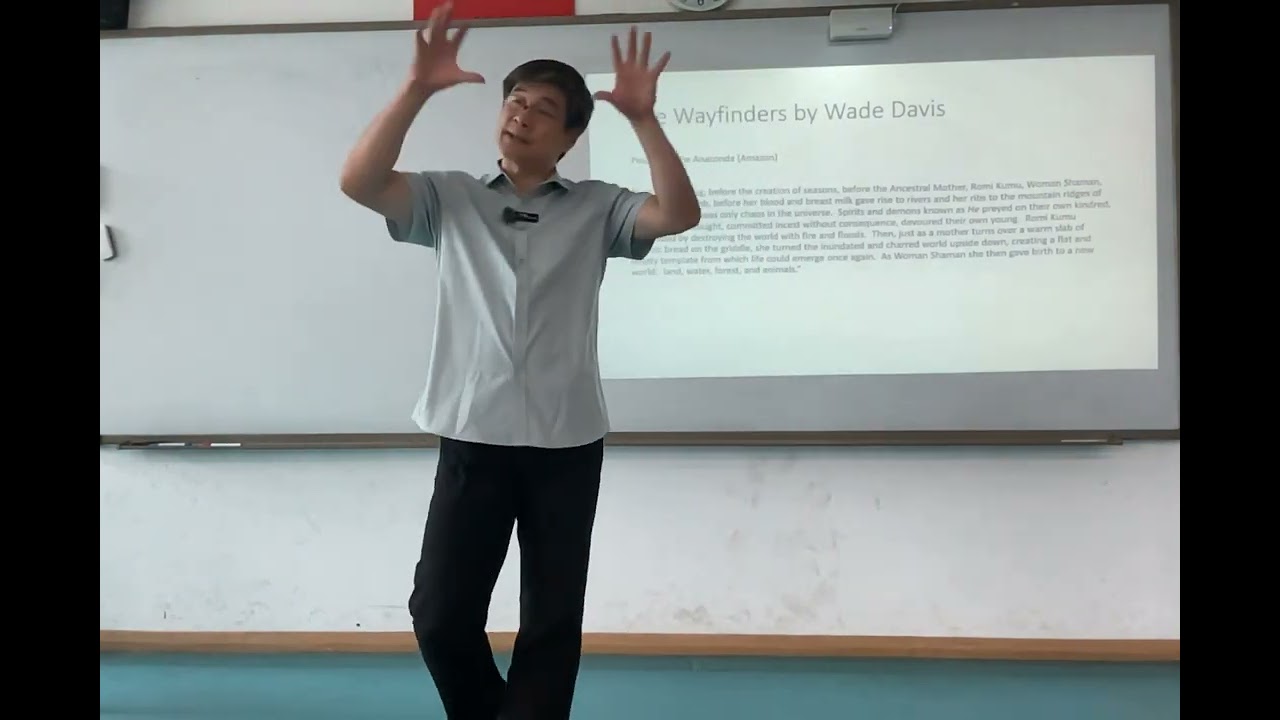
Civilization #3: The Religious Imagination
For most of human history—roughly 300,000 years of Homo sapiens, with global dispersal beginning around 50,000 years ago—humans lived as hunter-gatherers who
-
Civilization #2: Religion and the Dawn of Society
The episode argues that religion is the foundational force that made humans human, not a byproduct of civilization but the very thing that drove the transition
-
Civilization #1: Explaining Humanity's Transition to Agriculture
The episode challenges the traditional narrative that humanity transitioned from hunting and gathering to agriculture because farming was an obvious
-
Geo-Strategy END: Psychohistory (The Science of Imagining the Future)
This is the final class of a two-semester course. Last semester the class read great books (The Iliad, The Odyssey, The Bible, The Republic, Divine Comedy)
-
Geo-Strategy #11: The Second American Civil War
Jiang Xueqin argues in his June 7, 2024 class that a second American Civil War is highly likely, driven by America's deep cultural relationship with violence
-
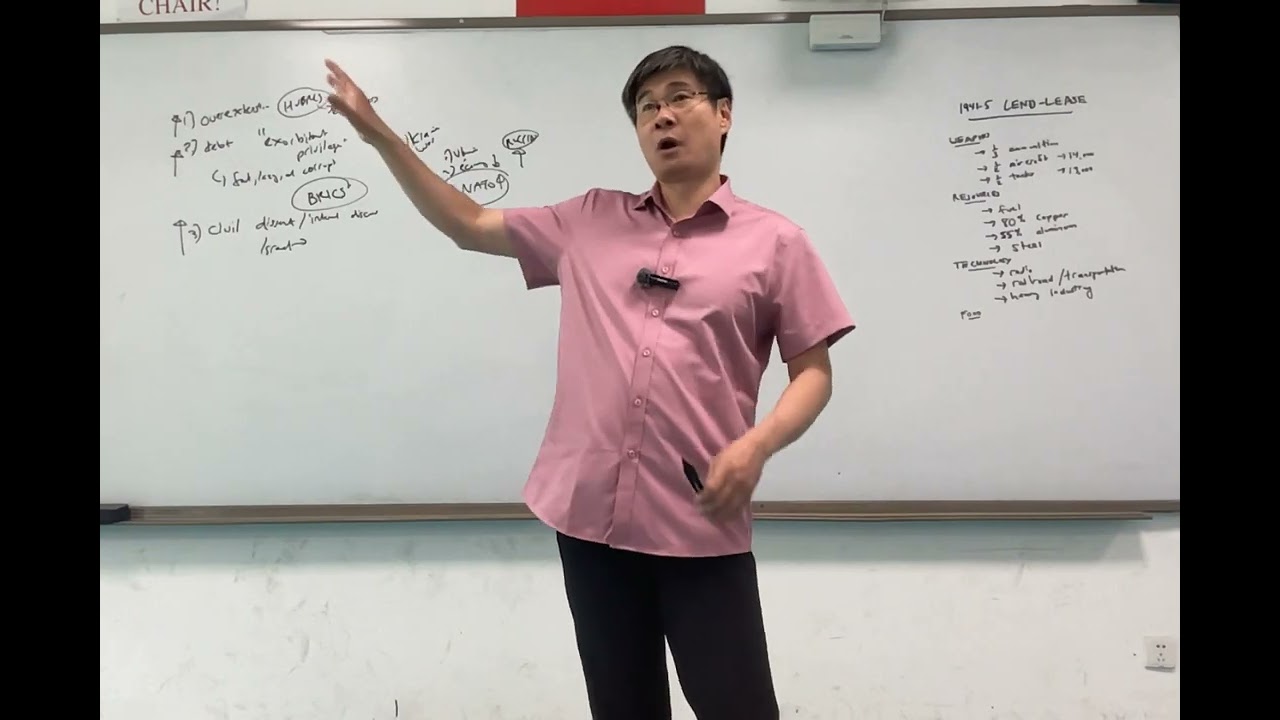
Geo-Strategy #10: Putin's Strategic Imagination
Jiang Xueqin's June 5, 2024 class analyzes Vladimir Putin's long-term strategy to destroy the American Empire by exploiting three historical causes of imperial
-
Geo-Strategy #9: Putin's War for the Soul of Russia
In a May 31, 2024 class, Jiang Xueqin analyzes Vladimir Putin's speech calling on all of Russian society to prepare for "Total War," arguing that Putin's true
-
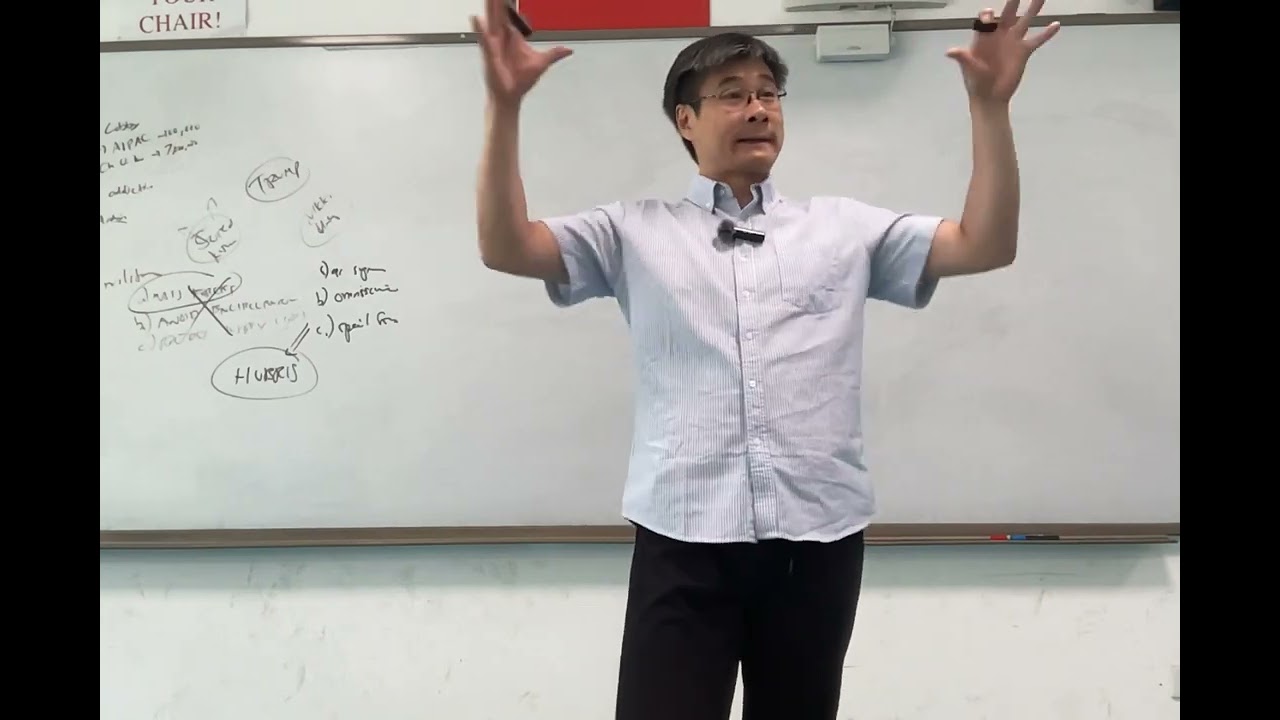
Geo-Strategy #8: The Iran Trap
The episode argues that the United States is being pushed toward war with Iran by three powerful interest groups, that the US military's doctrine makes it blind
-
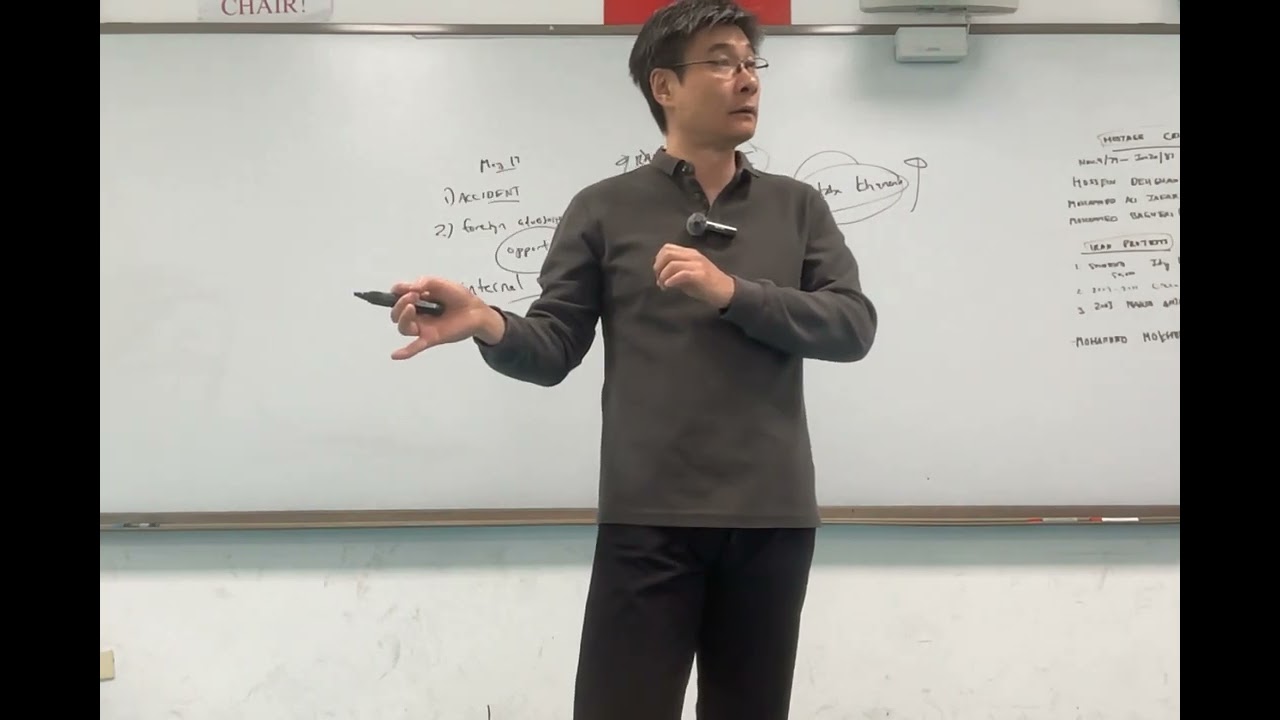
Geo-Strategy #7: Who Killed Iranian President Ebrahim Raisi?
On May 19, 2024, Iranian President Ebrahim Raisi died in a helicopter crash in foggy conditions while returning from a dam opening ceremony in Azerbaijan
-
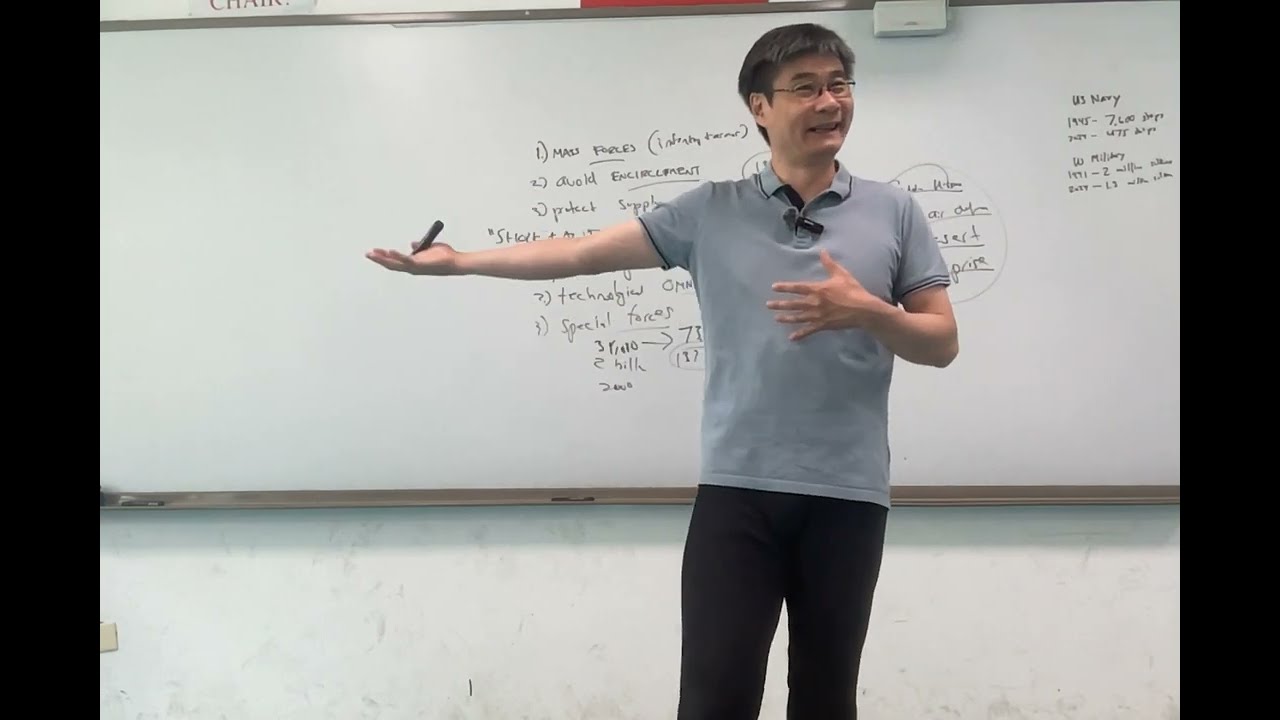
Geo-Strategy #6: America's Imperial Hubris
This lecture argues that the US military will go along with a future war against Iran because the 2003 Iraq War produced a dangerous transformation in American
-
Geo-Strategy #5: Why Trump Will Win (And Pick Nikki Haley as VP)
Jiang Xueqin argues in his May 17, 2024 class that Donald Trump is likely to win the 2024 US presidential election and that his optimal strategic move is to
-
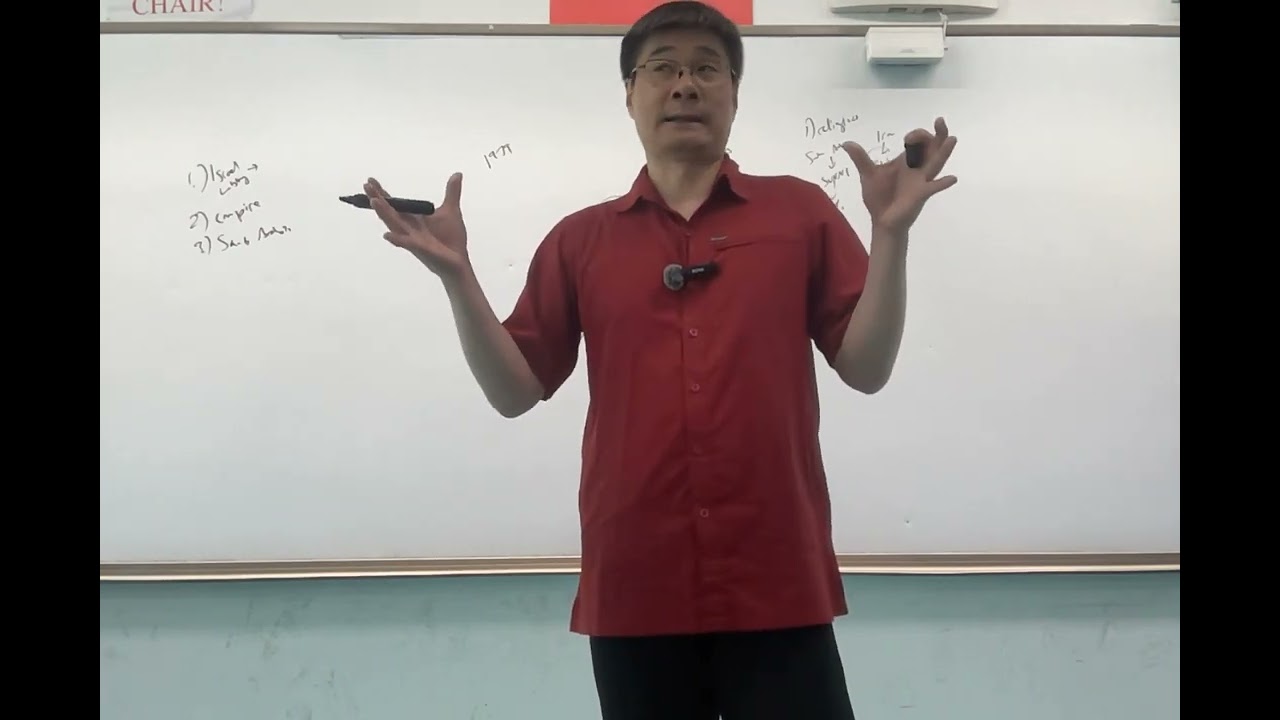
Geo-Strategy #4: Saudi Arabia's Trump Card Against Iran
Jiang Xueqin's May 15, 2024 class examines the rivalry between Saudi Arabia and Iran as the third major force driving potential U.S. conflict with Iran, arguing
-
Geo-Strategy #3: How Empire is Destroying America
Jiang Xueqin's May 5, 2024 class argues that the United States' transition from a manufacturing republic to a global empire after 1991 is the root cause of its
-
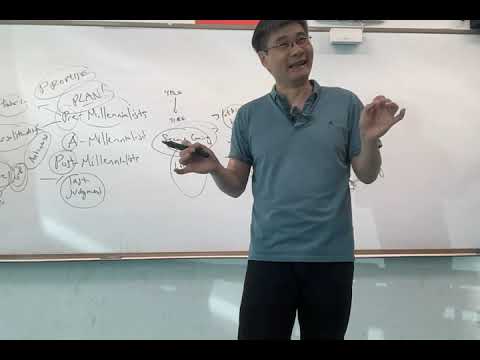
Geo-Strategy#2: Christian Zionism and the Middle East Conflict
The U.S. will eventually invade Iran, driven by three main factors: defending its empire, pressure from allies (Saudi Arabia and Israel), and the influence of
-
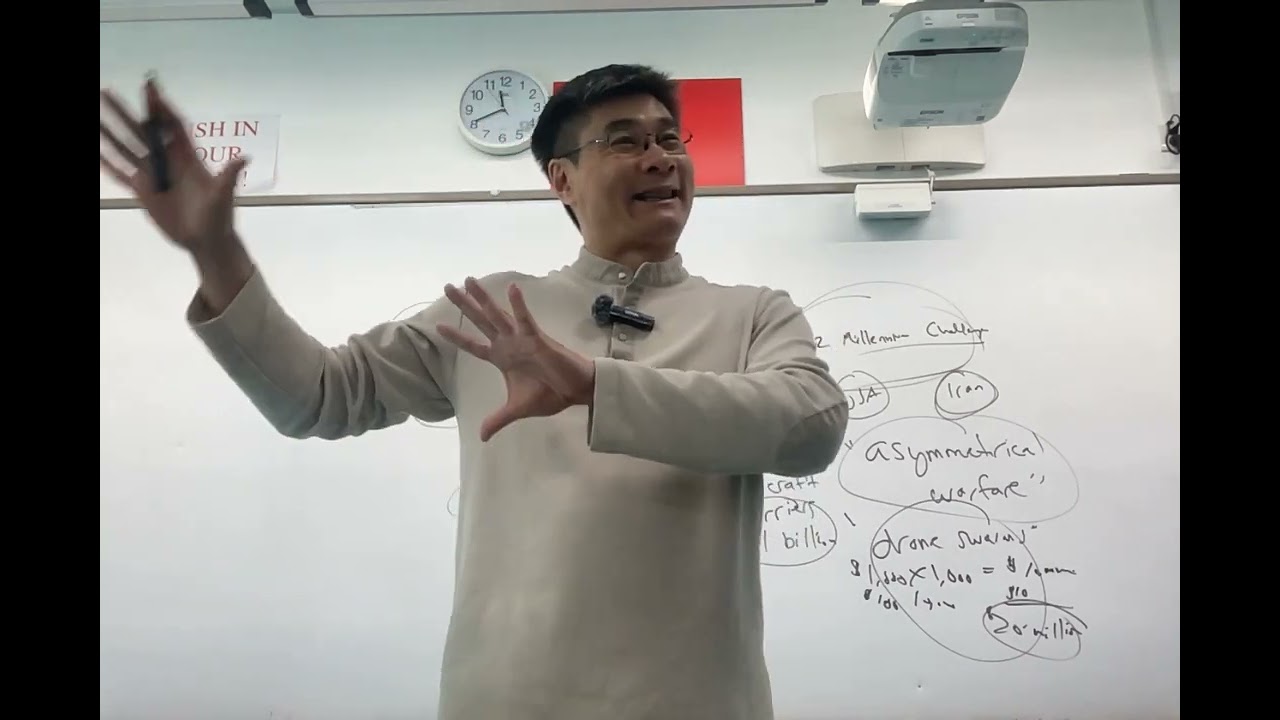
Geo-Strategy #1: Iran's Strategy Matrix
Jiang Xueqin explains Iran's geo-political strategy to his Chinese high school students, arguing that despite overwhelming American and Israeli military
-

Jiang Xueqin Teaching Gay Talese Research Method (Introduction)
This episode introduces the Gay Talese research method, a literary journalism approach developed by writer Gay Talese that combines exploration