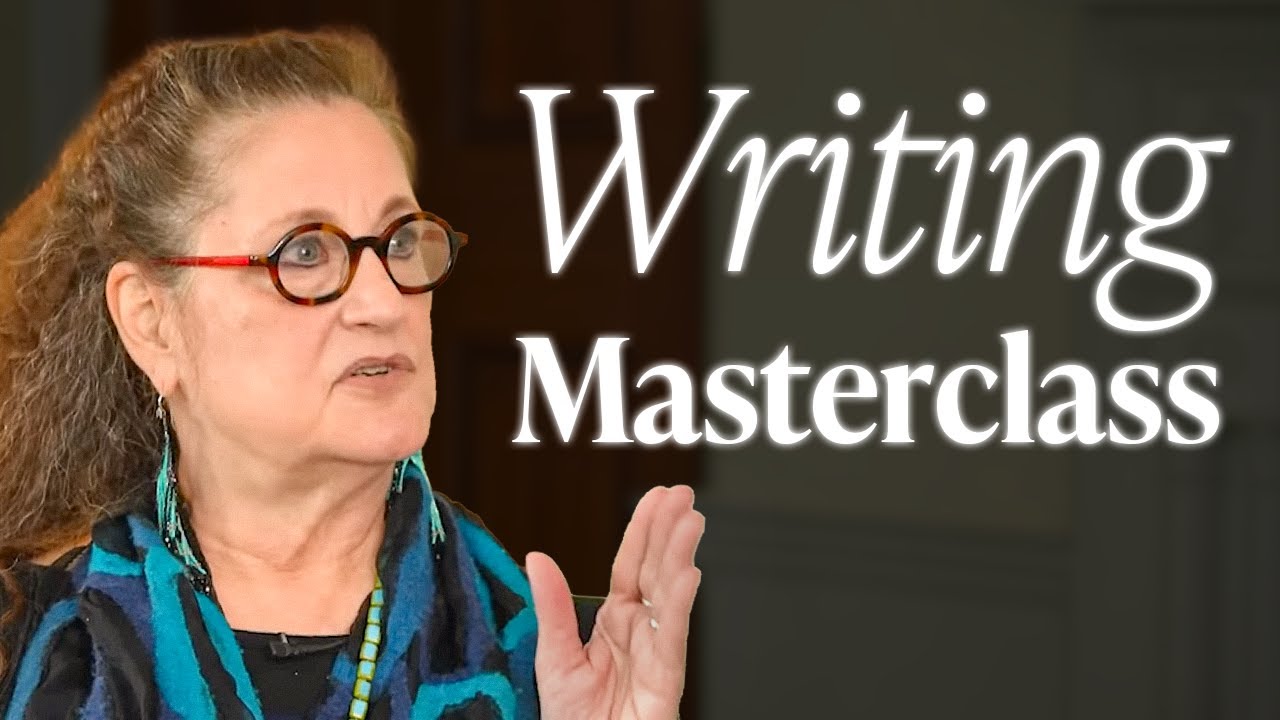
Jayne Anne Phillips, Pulitzer Prize winner for Night Watch, discusses her writing philosophy, process, and the deep influences shaping her work — from childhood reading to poetic compression, from Faulkner to the Civil War asylum that anchors her latest novel.
Writing as a guild craft taught through literature
Phillips rejects the question “can writing be taught?” as silly; she teaches writing by teaching literature, positioning writers as a medieval guild of those who read for meaning in a culture that mostly reads for information.
MFA programs emerged partly to sustain English departments, but their real value is teaching students to read as writers — finding “allies” among writers whose work is elemental and returning to it repeatedly.
She began as a poet writing one-page fictions with spiral construction, metaphoric density, and definitive endings that create white space; titles transform in meaning from start to finish.
Exercise: students bring parents’ wedding photos and write the 20–40 years of history beyond the image, learning to compress time and perception into a single page.
Getting inside the material: surrender, perception, and time travel
Phillips writes by following sentences deeper into the material, not thinking about it but being inside it — like a mechanic, painter, or cook losing track of time.
The goal: the reader feels inside the world, not reading about it; perception itself becomes the subject, and each book teaches the reader how to read it.
Fiction is time travel: research (photographs, diaries, letters, speech patterns) must be embodied, not just intellectual, so the past becomes perceptually real.
For Night Watch, she spent 10 years thinking, 8 years writing, with periods of stuckness where she returned to research; the first scene (a mute mother hustled into a buckboard) arrived whole, but the rest remained a mystery.
Intense reading as apprenticeship
She reads “allies” obsessively: first for pleasure, then to see how it works, then plotting chapters, nearly memorizing — e.g., The Sound and the Fury (carried everywhere while writing Lark and Termite) and Fat City (Gardner cut 800 pages to a diamond).
Faulkner is “everything”: his language, interconnected world, and focus on perception (Benji’s shifted perceptions in the final carriage scene) model how fiction teaches perception.
Photographs are crucial — they speak beyond speech; invoking Bergson’s simultaneity of time, she believes the real is real forever if we can apprehend it, and she projects Civil War photos at readings.
Stuckness, fear, and the practice of return
Stuckness brings fear — “walking a tightrope without a net” or drifting in space when the tether breaks; the asbestos suit is writing itself.
Her method: wait, or reread — today’s page, then 10 pages back, then from the beginning — until she’s inside the material enough to know the next move.
Editing with ears: language is music; reading aloud reveals flat notes; the work must work inside its own music.
Persistence, peers, and the poet’s composition process
Not a daily writer; writes in spurts over years, doggedly persistent, never abandoning a book (maybe one story).
Peers aren’t cultivated but encountered — her longest reader met in a childbirth class; editors have stayed across multiple books.
She doesn’t write poetry but uses a poet’s line-to-line process: internal rhyme, syllable weight, how the line sits on the page; her son is a published poet.
Art saves what would be lost; writers as cultural conscience
“Art is always about saving what might be lost, what will be lost” — the first novel often saves the autobiographical world; every book preserves a particular vision.
Early reading shock: at 9–10, she found Rabbit Run in her father’s hidden paperbacks, opened to the drunk mother dropping her baby in the bath — “blew my brains apart”; the power of making the unimaginable real.
Children as “ultimate outlaws”: beginner’s mind, no context, everything new; James Agee and Faulkner modeled child perspectives that reveal the secret world beneath the surface.
Writing demands compassion, not hatred for characters; the moment you write about someone, they become invention, not the person — audience awareness cuts you off from the book.
Writing as practicing for death; faith in meaning
Writing practices death: transformation from thought to word, the great transition we don’t remember (birth) and can’t foresee (death); awareness is the preparation.
Night Watch passage: 12-year-old Connie speaking to mute mother, told to call the man “Papa,” describing the asylum as “a fine place like a castle built from stone” — irony of refuge inside violence.
The pandemic became a refuge to finish the book; the world’s chaos mirrored the novel’s reversed world where the asylum becomes sanctuary.
Writes by hand in notebooks (printing, not cursive); sensory detail — hair salons as child’s keyhole into women’s world, heat, suds, secret talk — makes the work real.
Each person is a “historical genius”: completely separate in experience, trauma, healing; narrative creatures thinking in words and images across past, present, future.
Writing is a statement of faith — not religious, but faith that life is meaningful, that it all has meaning, because otherwise why would Borges (or any writer) find meaning?