Dwarkesh Podcast
Read bullet-point summaries of Dwarkesh Podcast interviews on AI, history, economics, geopolitics, science, philosophy, and the future.
Episodes
-
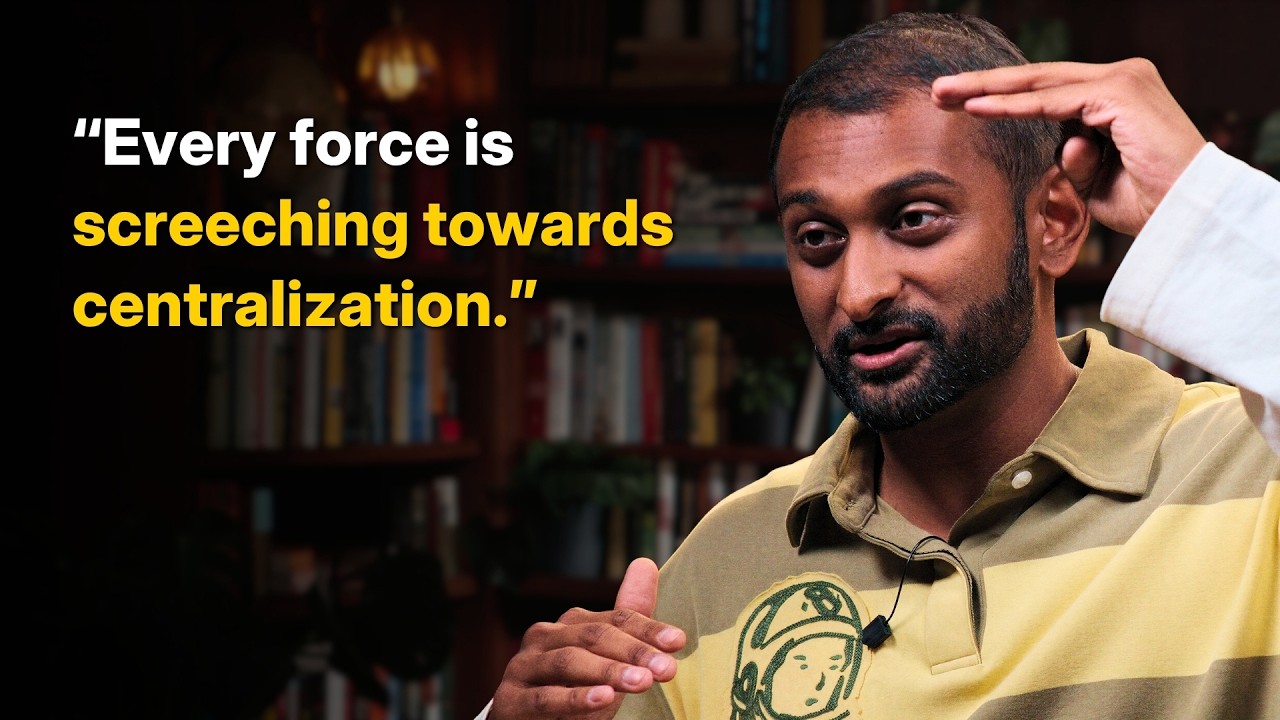
Dylan Patel – Two labs will soon control most of the world's workforce
This episode features Dylan Patel (founder of SemiAnalysis) and Dwarkesh Patel discussing how AI compute economics are driving extreme centralization: OpenAI
-
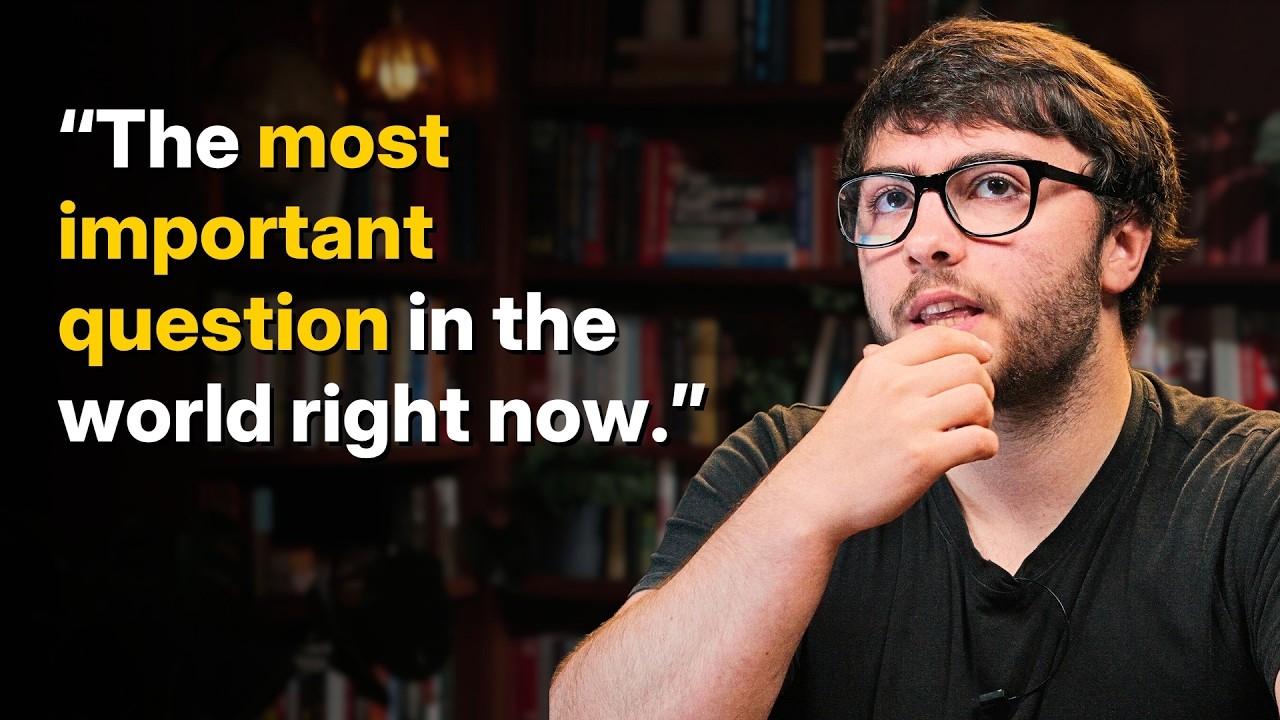
Ryan Greenblatt – What happens once AI can automate AI research?
This episode features Ryan Greenblatt (chief scientist at Redwood Research) discussing whether automating AI R&D could trigger recursive self-improvement
-
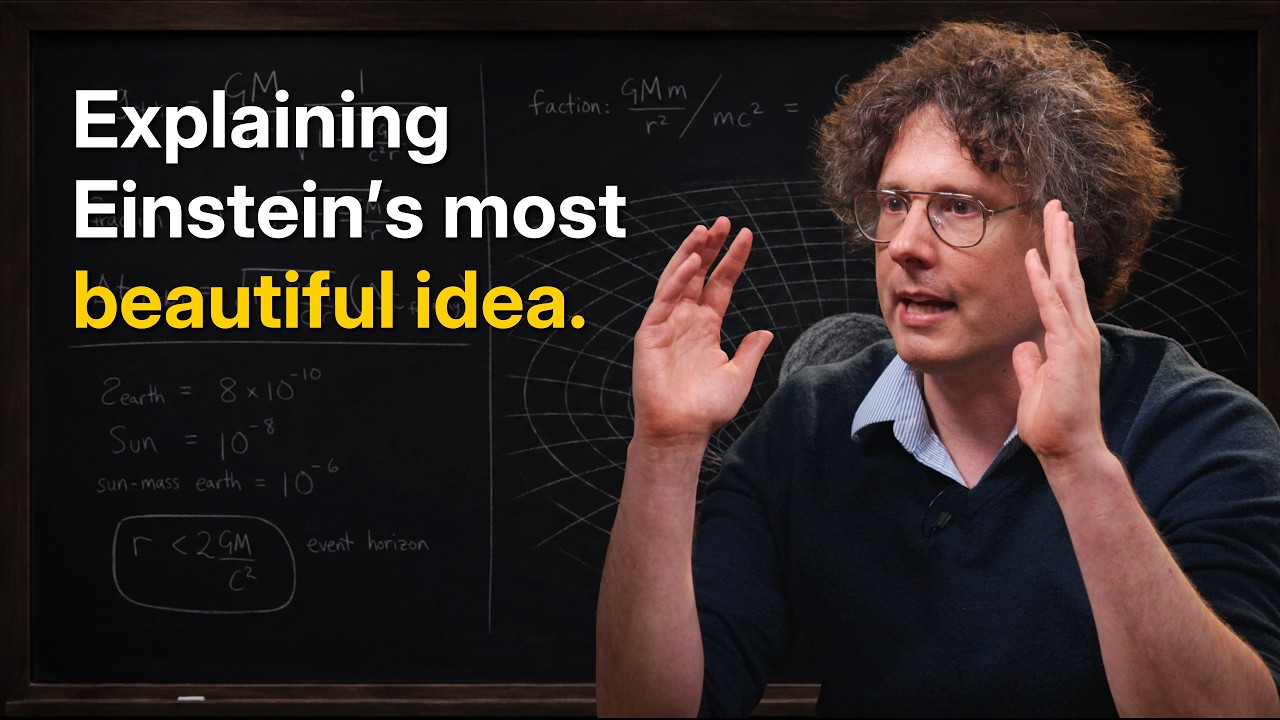
General relativity from first principles – Adam Brown
This episode features physicist Adam Brown explaining general relativity from first principles, tracing Einstein's path from the equivalence principle to the
-
Grant Sanderson (@3blue1brown) – AI and the future of math
This episode features Grant Sanderson (3Blue1Brown) discussing AI's accelerating progress in mathematics with Dwarkesh Patel, exploring whether AI solving hard
-
How Machiavelli's Florence bargained with Cesare Borgia for survival – Ada Palmer
Ada Palmer, historian and author, discusses the life and thought of Niccolò Machiavelli, situating his writing within the political chaos of Renaissance Italy
-
What remains scarce after AGI? – Alex Imas and Phil Trammell
This episode features a conversation between Alex Imas (Director of AGI Economics at Google DeepMind, Professor at University of Chicago) and Phil Trammell
-
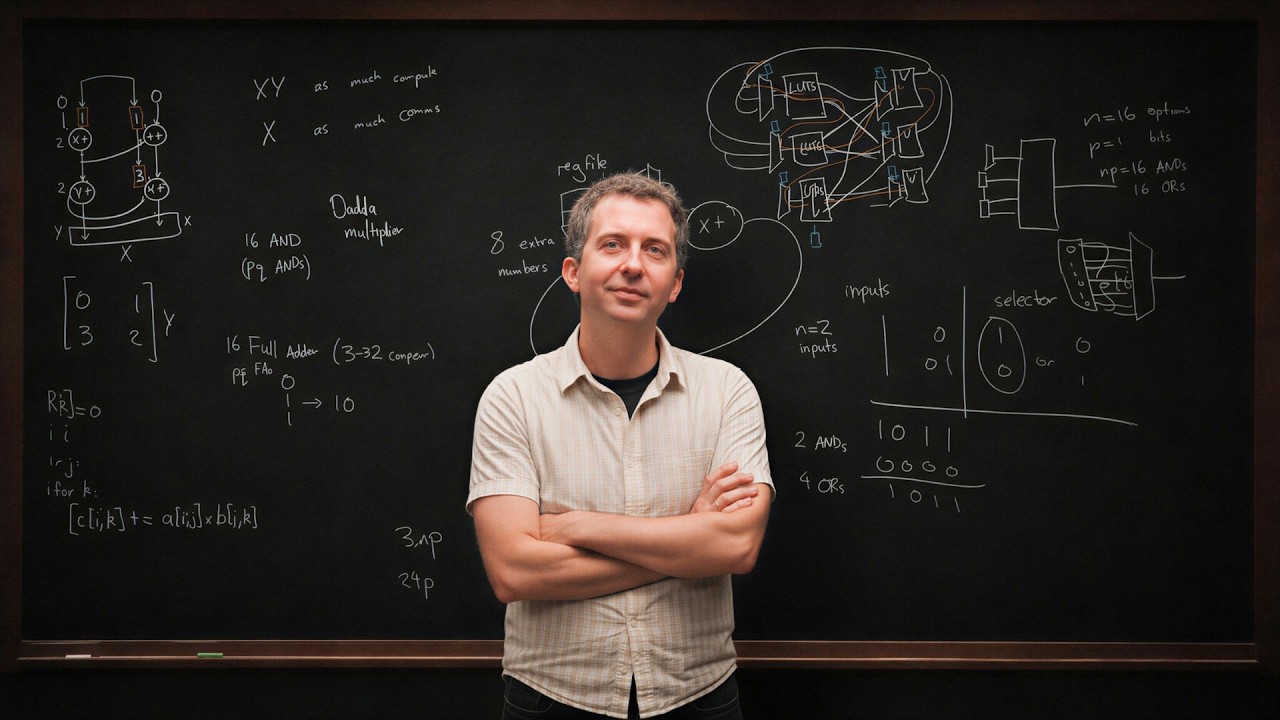
Chip design from the bottom up – Reiner Pope
This episode is a deep dive into how AI chips actually work, from the smallest logic gates up to full chip architecture. Reiner Pope, CEO of MatX, walks through
-

What rebuilding AlphaGo teaches us about self-play, RL, and future of LLMs - Eric Jang
Eric Jang, former VP of AI at 1X Technologies and senior research scientist at Google DeepMind Robotics, spent his sabbatical rebuilding AlphaGo from scratch to
-
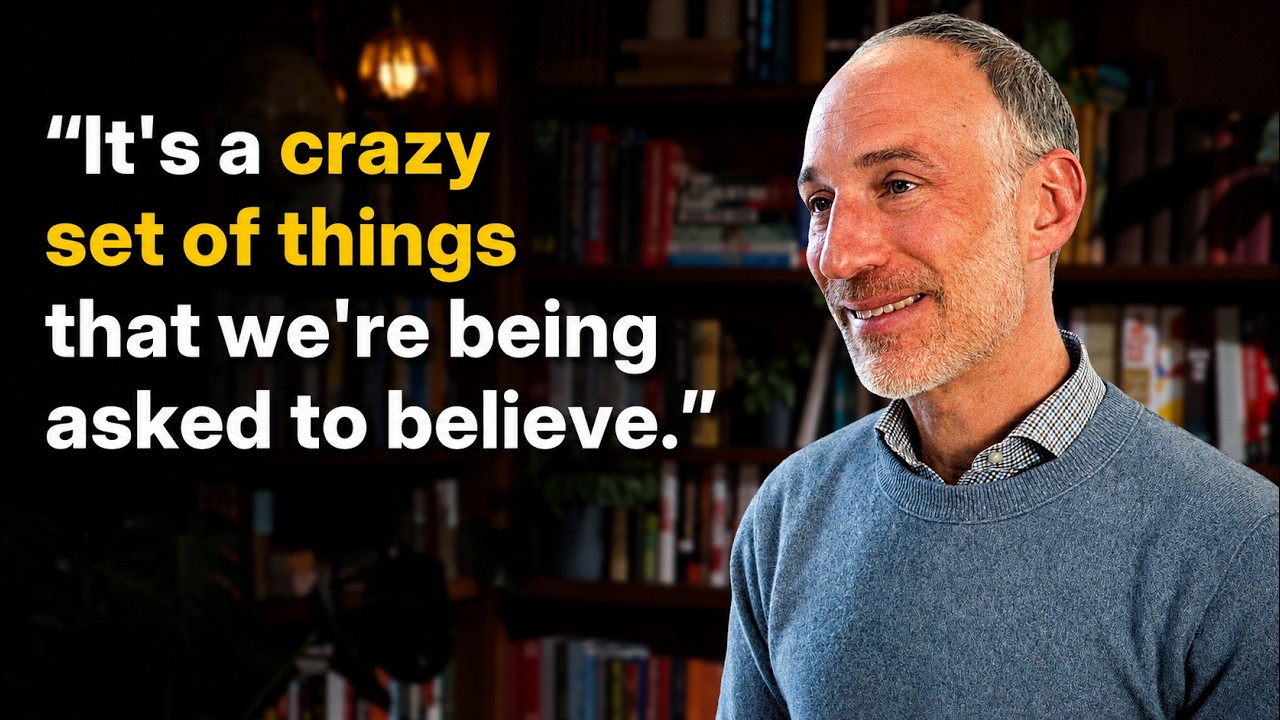
David Reich – Bronze Age shock, the Neanderthal puzzle, & the sudden spread of farming
David Reich, a geneticist at Harvard specializing in ancient DNA, discusses a major new preprint showing that natural selection has been far more intense over
-

How GPT, Claude, and Gemini are actually trained and served – Reiner Pope
This episode is a blackboard lecture by Reiner Pope (CEO of MatX, former Google TPU architect) on how modern AI models are trained and served at scale. Using
-
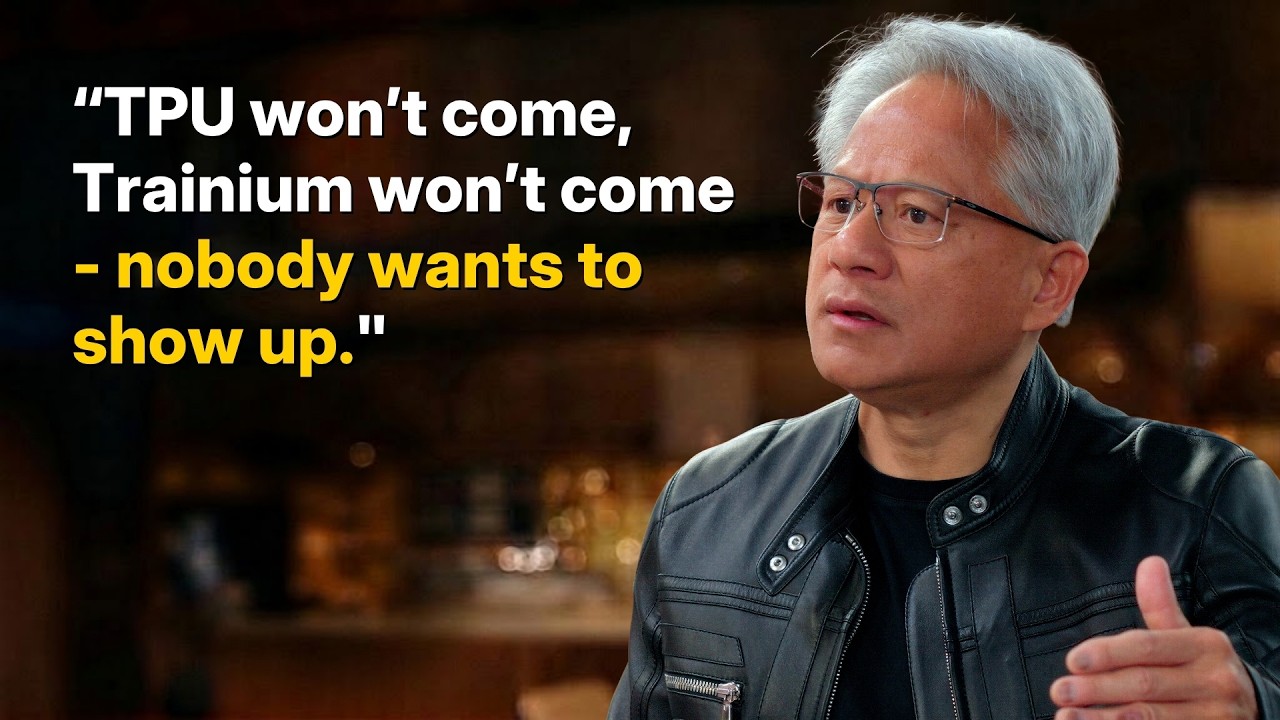
Jensen Huang – Will Nvidia’s moat persist?
Nvidia's core business is transforming electrons into tokens — Jensen Huang frames the entire company around this: electricity goes in, AI-generated tokens come
-
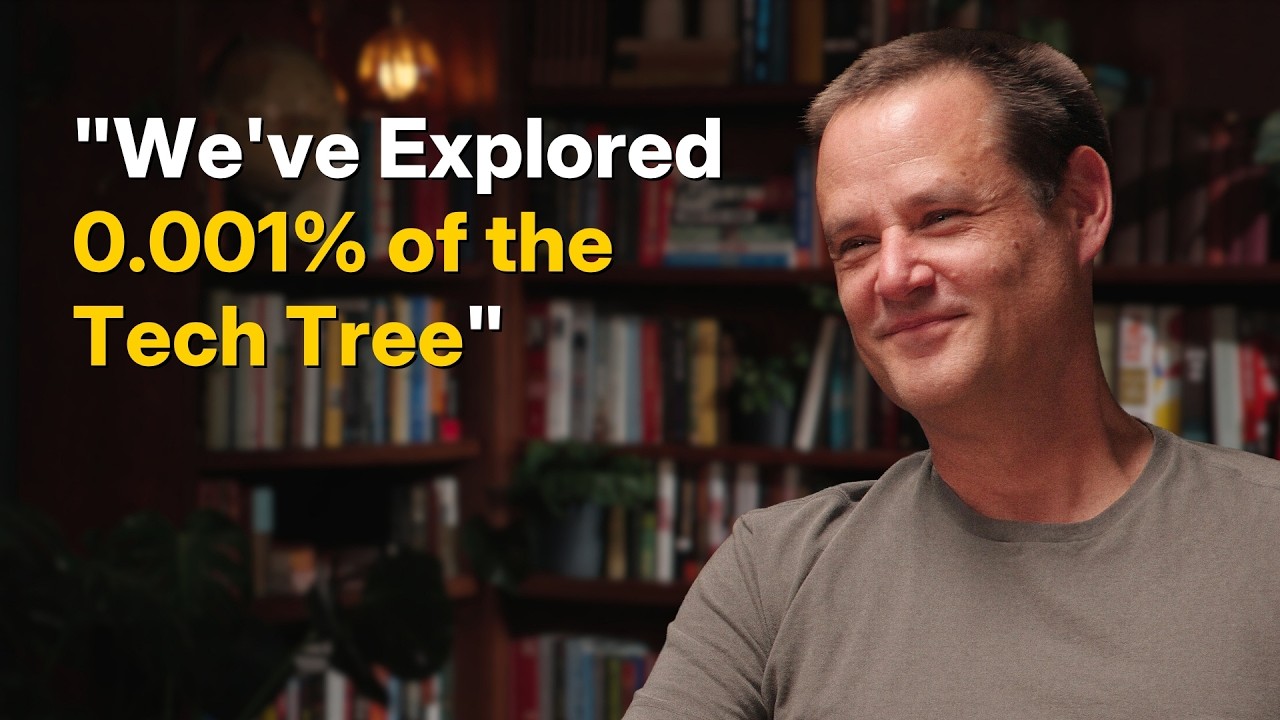
Michael Nielsen – Why aliens will have a different tech stack than us
Michael Nielsen and I discuss why scientific progress is far more mysterious than the standard "hypothesis → experiment → falsification" story suggests, and
-
Terence Tao – How the world’s top mathematician uses AI
Terence Tao and the host discuss how AI is reshaping mathematics and science, using the history of Kepler's discovery of planetary motion as a framework for
-
Dylan Patel — The single biggest bottleneck to scaling AI compute
Dylan Patel, founder of SemiAnalysis, provides a deep dive into the 3 big bottlenecks to scaling AI compute: logic, memory, and power.
-
Why Leonardo was a saboteur, Gutenberg went broke, and Florence was weird – Ada Palmer
Ada Palmer, a Renaissance historian at the University of Chicago, discusses her book Inventing the Renaissance, tracing how a 14th-century project to revive
-

Dario Amodei — “We are near the end of the exponential”
Dario Amodei, CEO of Anthropic, argues that AI progress is following a steep exponential curve and that we are much closer to transformative AI—what he calls a
-
Elon Musk – "In 36 months, the cheapest place to put AI will be space”
Elon Musk argues that within roughly 30–36 months, space will become the cheapest and most scalable place to run AI, due to abundant solar energy, lack of
-
Adam Marblestone – AI is missing something fundamental about the brain
The central question: Why are human brains so much more capable than today's AI despite receiving far less training data? Adam Marblestone argues the answer
-
Sarah Paine – Why Russia Lost the Cold War
This final lecture in the Sarah Paine series examines why the Soviet Union lost the Cold War, rejecting the popular American narrative that Ronald Reagan
-
Ilya Sutskever – We're moving from the age of scaling to the age of research
Ilya Sutskever, co-founder of OpenAI and now leading SSI (Safe Superintelligence Inc.), discusses the transition from the "age of scaling" to the "age of
-
Satya Nadella – How Microsoft thinks about AGI
Microsoft CEO Satya Nadella and EVP Scott Guthrie give a tour of Fairwater 2, Microsoft's newest and most powerful data center, located in Atlanta, and discuss
-
Sarah Paine — How Russia sabotaged China's rise
Military historian Sarah Paine argues that Russia, particularly under Stalin, systematically sabotaged China's rise for over a century, delaying its development
-
Andrej Karpathy — “We’re summoning ghosts, not building animals”
Andrej Karpathy, a veteran AI researcher and former Tesla Autopilot lead, argues that building truly capable AI agents will take roughly a decade—not a year or
-
“I find it almost disturbing that the universe favors life this strongly” – Nick Lane
Nick Lane's central argument is that energy flow, not information or genes, is the key constraint shaping all of life's major transitions — from its origin in
-
Richard Sutton – Father of RL thinks LLMs are a dead end
Richard Sutton, a foundational figure in reinforcement learning (RL) and co-recipient of the 2025 Turing Award, argues that large language models (LLMs)
-
Fully autonomous robots are much closer than you think – Sergey Levine
Sergey Levine, co-founder of Physical Intelligence and UC Berkeley professor, discusses the timeline and challenges for deploying fully autonomous robots at
-
Sarah Paine – How Hitler almost starved Britain
This lecture by Sarah Paine examines how Britain used maritime strategy to survive and ultimately defeat continental powers in the World Wars, then applies
-

Evolution designed us to die fast; we can change that — Jacob Kimmel
Jacob Kimmel, president and co-founder of NewLimit, explains why evolution did not optimize humans for longevity, and how his company is pursuing epigenetic
-
China is killing the US on energy. Does that mean they’ll win AGI? — Casey Handmer
Casey Handmer, founder of Terraform Industries and former NASA JPL engineer, argues that the US can compete with China in the AI race because energy—not
-
Artificial meat is harder than artificial intelligence — Lewis Bollard
Factory farming is a massive, growing, and deeply entrenched system of animal suffering — roughly 10 billion land animals are factory farmed in the US alone
-
Sarah Paine — How Imperial Japan defeated Tsarist Russia & Qing China
The Meiji generation's strategic brilliance reversed the Asian balance of power — Japan went from a feudal society overshadowed for millennia by China to
-
Stephen Kotkin — How Stalin became the most powerful dictator in history
Stephen Kotkin, author of a multi-volume Stalin biography, argues that the tsarist regime faced a fundamental dilemma common to authoritarian modernizers: it
-
A billion years of evolution in a single afternoon — George Church
George Church is one of the most consequential biologists alive, involved in nearly every major breakthrough of the last few decades — the Human Genome Project
-
Why China's manufacturing economy is dominating — Arthur Kroeber
Arthur Kroeber, founder of Gavekal Dragonomics and author of China’s Economy: What Everyone Needs to Know, argues that the core challenge posed by China is not
-
"China is digging out of a crisis. And America’s luck is wearing thin." — Ken Rogoff
Ken Rogoff, Harvard professor, former IMF chief economist, and author of Our Dollar, Your Problem, argues that China is mired in a deep economic crisis rooted
-
Xi Jinping’s paranoid approach to AGI, debt crisis, & Politburo politics — Victor Shih
Victor Shih, director of the 21st Century China Center at UC San Diego, discusses Chinese elite politics, fiscal policy, AI governance, and the economy with a
-

Is RL + LLMs enough for AGI? — Sholto Douglas & Trenton Bricken
In May 2025, Sholto Douglas and Trenton Bricken—both at Anthropic—return to discuss how reinforcement learning (RL) has finally unlocked expert-level
-
Mark Zuckerberg — AI will write most Meta code in 18 months
Mark Zuckerberg discusses Meta's latest AI developments, including the Llama 4 model family, the future of open-source AI, the path to superintelligence, and
-
Why Rome actually fell: plagues, slavery, & ice age — Kyle Harper
Kyle Harper, a historian and provost emeritus at the University of Oklahoma, argues that the fall of the Roman Empire was driven not just by politics or
-
AGI is still 30 years away — Ege Erdil & Tamay Besiroglu
Tamay Besiroglu and Ege Erdil, formerly of Epoch AI, have launched Mechanize, a company aimed at automating all work. They argue that the path to AGI and
-

AI 2027: month-by-month model of intelligence explosion — Scott Alexander & Daniel Kokotajlo
Scott Alexander (Slate Star Codex / Astral Codex Ten) and Daniel Kokotajlo (director of the AI Futures Project, former OpenAI researcher) have released AI 2027
-
AMA: career advice given AGI, how I research ft. Sholto & Trenton
Dwarkesh Patel launches his book The Scaling Era (published by Stripe Press), a curated compilation of insights from his podcast interviews with AI lab CEOs
-
Joseph Henrich — Humans defeated smarter species with cultural evolution
Joseph Henrich, a professor of human evolutionary biology at Harvard and author of The Secret of Our Success and The Weirdest People in the World, explains that
-
Satya Nadella — Microsoft’s AGI plan & quantum breakthrough
Satya Nadella on Microsoft's full-stack AI and quantum bets, the future of economic growth, and why he doesn't believe in AGI
-
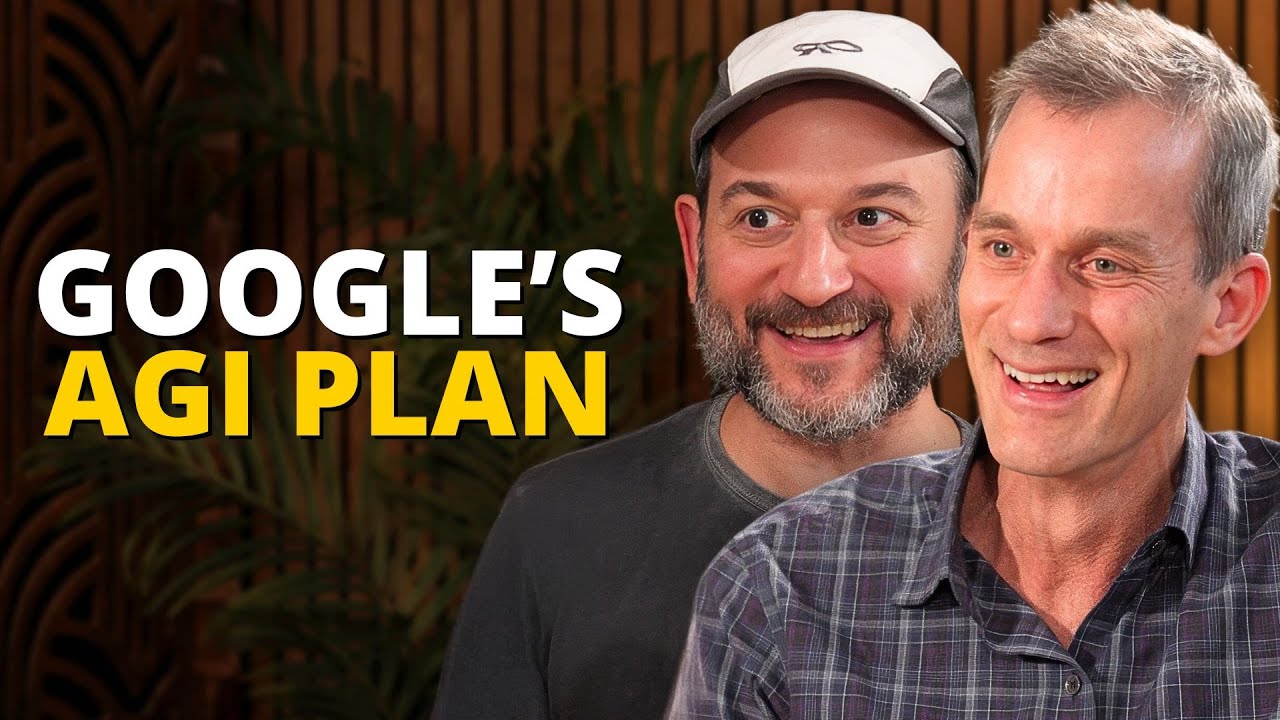
Jeff Dean & Noam Shazeer — 25 years at Google: from PageRank to AGI
Jeff Dean (Google's Chief Scientist) and Noam Shazeer (co-inventor of the Transformer, Mixture of Experts, and other foundational LLM techniques) reflect on 25
-
Sarah Paine — How Mao conquered China (lecture & interview)
Mao Zedong as a defining figure of the 20th century: Sarah Paine presents Mao as one of the most consequential political-military figures in modern history—not
-
Sarah Paine — Why Japan lost WWII (lecture & interview)
Sarah Paine argues that Japan lost World War II because of deep cultural factors that shaped its strategic behavior in ways the United States failed to
-
Sarah Paine — The war for India (Lecture & interview)
This lecture by Professor Sarah Paine traces how the rivalry between China and India reshaped Asia through a series of pivotal decisions, shifting alliances
-
Tyler Cowen — The #1 bottleneck to AI progress is humans
Tyler Cowen argues that AI will not produce explosive economic growth (20%+ annually) because bottlenecks and diminishing returns constrain how fast any economy
-
Adam Brown — Bubble universes, space elevators, & AdS/CFT
Adam Brown is a theoretical physicist at Stanford and founder of Google DeepMind's Blueshift team, which works on AI reasoning. He discusses the ultimate fate
-
Gwern — Anonymous writer who predicted AI trajectory on $12K/year salary
Gwern Branwen is an anonymous independent researcher and writer whose longform essays on AI, statistics, and transhumanism have quietly shaped the thinking of
-

@Asianometry & Dylan Patel — How the semiconductor industry actually works
Dylan Patel (SemiAnalysis) and Jon (Asianometry) break down how the semiconductor industry actually works, why it matters for AI scaling, and where the real
-
Daniel Yergin — Oil destroyed Hitler, fracking destroyed Putin
Daniel Yergin, Pulitzer Prize–winning author of The Prize and The New Map, discusses the history of oil, its geopolitical significance, and the future of
-
David Reich — How one small tribe conquered the world 70,000 years ago
Geneticist David Reich discusses how ancient DNA research is overturning long-held models of human evolution, revealing a far more complex, braided, and
-
Joe Carlsmith — Preventing an AI takeover
Joe Carlsmith is a philosopher whose work sits at the intersection of AI alignment, moral philosophy, and the ethics of creating superintelligent systems. This
-
Patrick McKenzie — Money laundering, big tech censorship, SBF & Japan
Patrick McKenzie (patio11) is a software engineer, writer of the finance newsletter Bits about Money, and the de facto CEO of VaccinateCA — a volunteer effort
-
Tony Blair — Why political leaders keep failing at major change
Tony Blair, UK Prime Minister from 1997 to 2007 and now head of the Tony Blair Institute (TBI), which advises roughly 40 governments on governance and reform
-

Francois Chollet — Why the biggest AI models can't solve simple puzzles
François Chollet (creator of Keras, Google AI researcher) and Mike Knoop (Zapier co-founder) have launched the ARC Prize, a million-dollar competition to solve
-

Leopold Aschenbrenner — 2027 AGI, China/US super-intelligence race, & the return of history
Leopold Aschenbrenner, a former OpenAI superalignment team member and Columbia valedictorian, argues that AI progress is on a trajectory toward
-

John Schulman (OpenAI Cofounder) — Reasoning, RLHF, & plan for 2027 AGI
John Schulman, co-founder of OpenAI and leader of its post-training team, explains how AI models are built in two major stages—pre-training and
-

Mark Zuckerberg — Llama 3, $10B models, Caesar Augustus, & 1 GW datacenters
Mark Zuckerberg discusses the release of Llama-3, Meta's open-source AI model, and the broader trajectory of AI development at Meta, including infrastructure
-

Sholto Douglas & Trenton Bricken — How LLMs actually think
This is a conversation between Dwarkesh and two AI researchers—Sholto Douglas (Google DeepMind, Gemini inference and pre-training) and Trenton Bricken
-
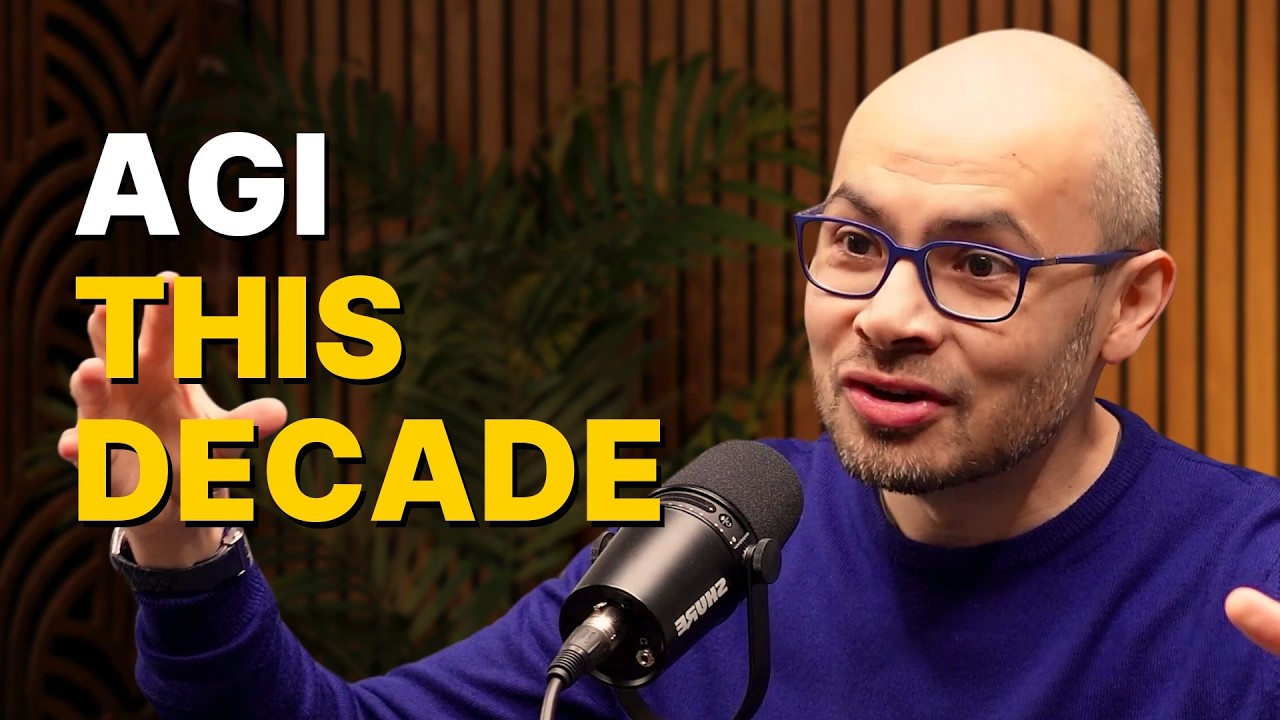
Demis Hassabis — Scaling, superhuman AIs, AlphaZero atop LLMs, AlphaFold
Demis Hassabis, CEO of Google DeepMind and a trained neuroscientist, discusses the nature of intelligence, the path to AGI, and the responsibilities that come
-
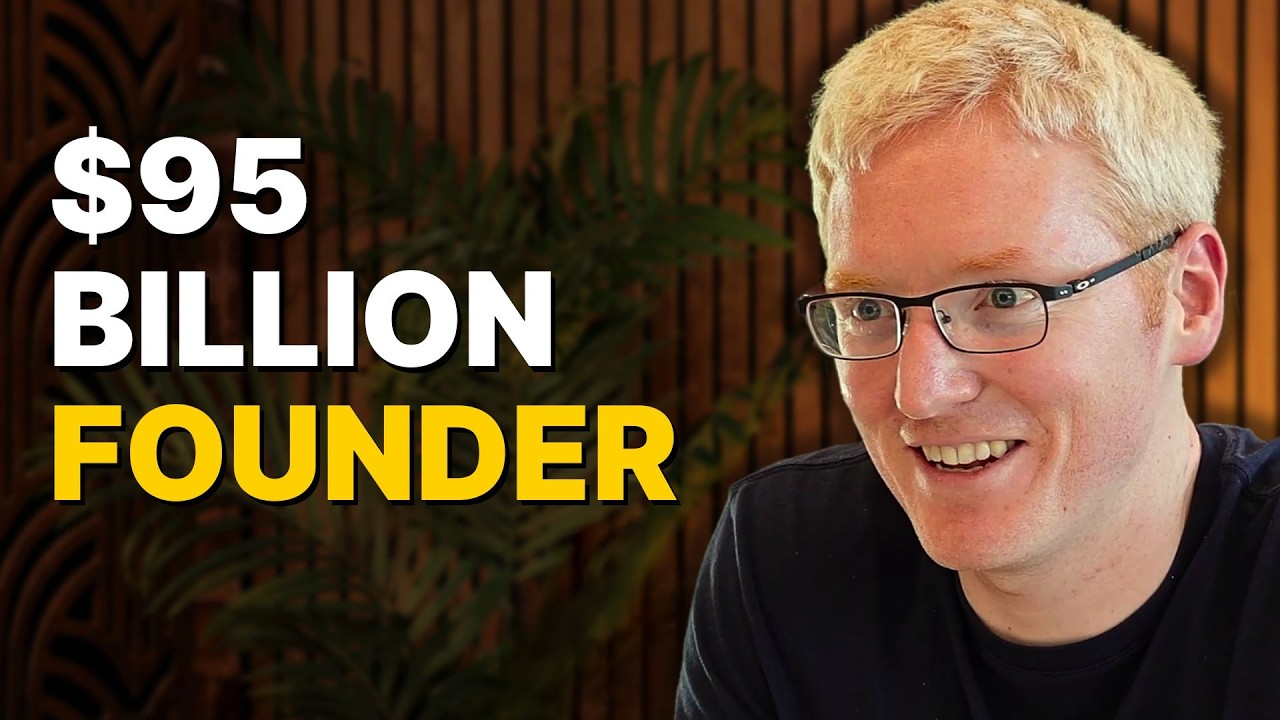
Patrick Collison — Why Silicon Valley's most talented should leave
Patrick Collison, CEO of Stripe and co-founder of Arc Institute, discusses career advice for people in their 20s, the Arc Institute's approach to biomedical
-
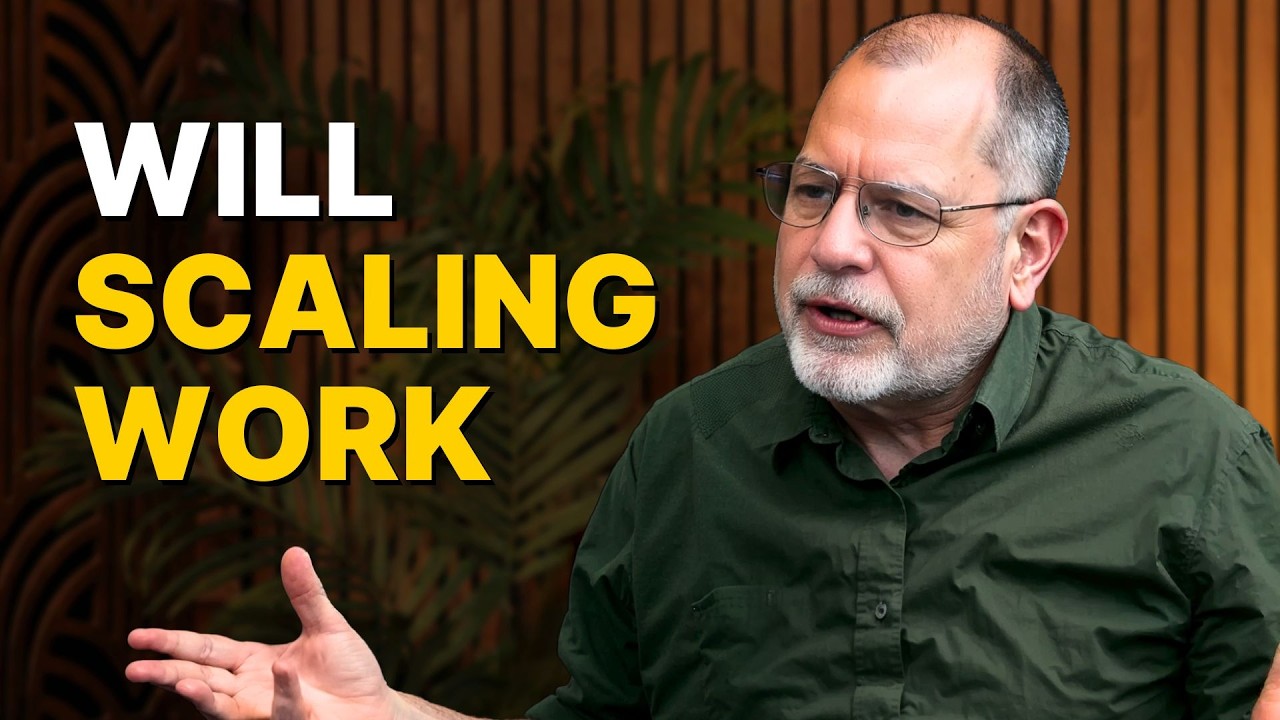
Tyler Cowen — Hayek, Keynes, & Smith on AI, animal spirits, anarchy, & growth
Tyler Cowen and the host discuss Cowen's book on the greatest economists of all time (GOAT), using Hayek, Keynes, Smith, and Mill as lenses to think through AI
-

Jung Chang (Wild Swans author) — Living through history's largest man-made famine
Jung Chang grew up as the daughter of high-ranking Communist officials in Mao's China, survived the Cultural Revolution that destroyed her family, eventually
-
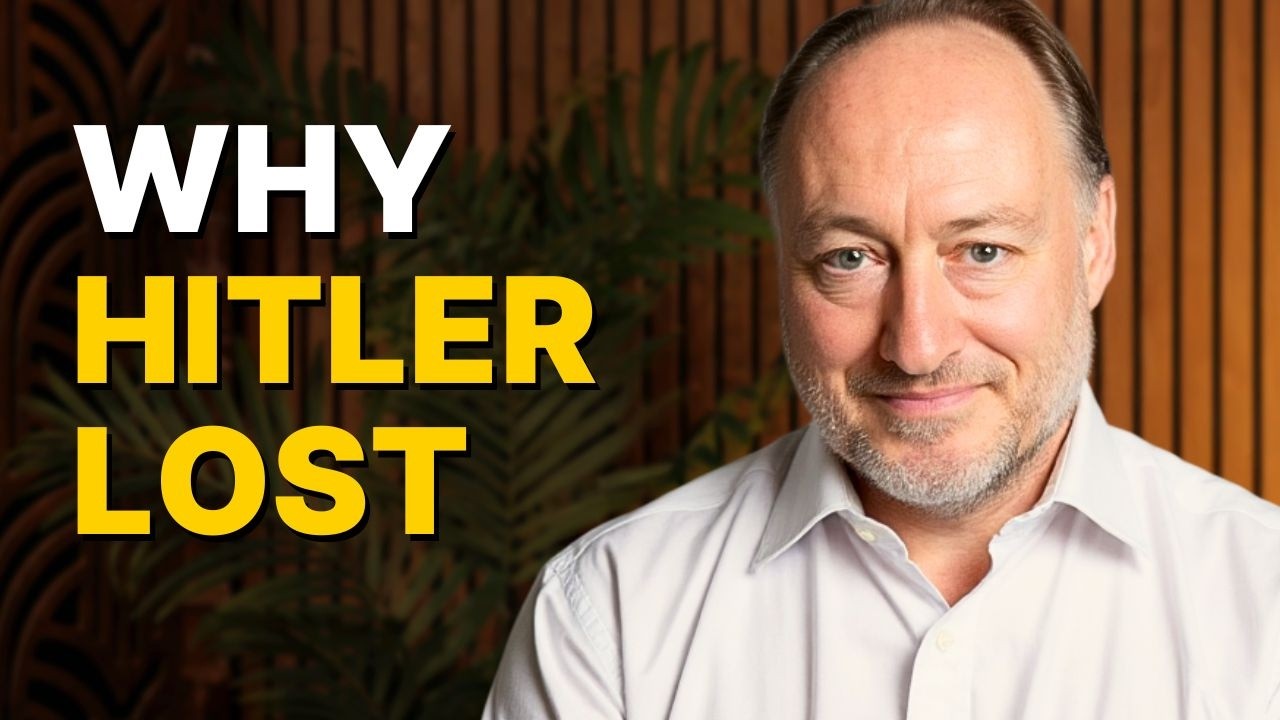
Andrew Roberts — Why Hitler lost WWII, Churchill as applied historian, & Napoleon as startup founder
Andrew Roberts, one of the leading historians and biographers of our time, discusses his latest book Conflict: The Evolution of Warfare from 1945 to Ukraine
-
Dominic Cummings — Inside the collapse of western government
Dominic Cummings, former chief advisor to Boris Johnson and mastermind of the Brexit campaign, argues that Western governments—particularly Britain's—are
-
Paul Christiano — Preventing an AI takeover
Paul Christiano is a leading AI safety researcher who led the team at OpenAI that invented RLHF (Reinforcement Learning from Human Feedback) and now heads the
-
Shane Legg (DeepMind Founder) — 2028 AGI, superhuman alignment, new architectures
Shane Legg, co-founder and Chief AGI Scientist at Google DeepMind, discusses how to measure progress toward AGI, what's missing from current AI systems, how
-
Grant Sanderson (@3blue1brown) — Past, present, & future of mathematics
Grant Sanderson (3Blue1Brown) discusses the nature of mathematical intelligence, education, and creativity with host Dwarkesh Patel, covering topics ranging
-

Sarah C. M. Paine — Why dictators keep making the same fatal mistake
Sarah Paine, a professor of strategy and policy at the Naval War College and a leading military historian, discusses grand strategy, the differences between
-

George Hotz vs Eliezer Yudkowsky
George Hotz and Eliezer Yudkowsky debate the nature and timeline of existential risk from advanced AI, moderated by Dwarkesh. The central disagreement is
-
-
Andy Matuschak — The reason most learning tools fail
Andy Matuschak is a researcher, engineer, and designer working on tools for thought—he previously worked on flagship iOS features at Apple and co-created
-
Carl Shulman (Pt 2) — AI Takeover, bio & cyber attacks, detecting deception, & humanity's far future
This is the second half of a long-form conversation with Carl Shulman, a researcher focused on global catastrophic risks and AI alignment, about what an AI
-
Carl Shulman (Pt 1) — Intelligence explosion, primate evolution, robot doublings, & alignment
Carl Shulman — a low-profile but highly influential researcher at the Future of Humanity Institute and advisor to Open Philanthropy — explains why he believes
-
Richard Rhodes — The making of the atomic bomb
Richard Rhodes, Pulitzer Prize-winning author of The Making of the Atomic Bomb, discusses the history of nuclear weapons, the Oppenheimer film, and the broader
-
Eliezer Yudkowsky — Why AI will kill us, aligning LLMs, nature of intelligence, SciFi, & rationality
Eliezer Yudkowsky discusses his Time article calling for a moratorium on AI training runs, his views on AI alignment, the nature of intelligence, and why he
-
Ilya Sutskever (OpenAI Chief Scientist) — Why next-token prediction could surpass human intelligence
Ilya Sutskever, Co-founder and Chief Scientist of OpenAI, discusses the trajectory toward AGI, the limits and potential of current AI paradigms, alignment
-

Nat Friedman (Github CEO) — Reading ancient scrolls, open source, & AI
Nat Friedman (GitHub CEO 2018–2021, founder of AI Grant and California YIMBY) has launched the Vesuvius Challenge, an open competition to virtually read
-
Brett Harrison — FTX US former president speaks out
Brett Harrison, former President of FTX US and founder of Architect, shares his first long-form interview about his career spanning Jane Street, Citadel
-
Marc Andreessen — AI, crypto, 1000 Elon Musks, regrets, vulnerabilities, & managerial revolution
Marc Andreessen, co-founder of Andreessen Horowitz (a16z), discusses AI's transformative impact on software, the venture capital model, crypto investing, the
-
Garett Jones — Immigration, national IQ, & less democracy
Garett Jones, an economist at George Mason University and author of The Cultural Transplant, Hive Mind, and 10% Less Democracy, discusses how migration
-

Lars Doucet — Progress, poverty, Georgism, & why rent is too damn high
Lars Doucet is a game developer (creator of Defender's Quest) and Georgist author whose book Land Is a Big Deal expands on his prize-winning review of Henry
-
Holden Karnofsky — History's most important century
Holden Karnofsky, co-CEO of Open Philanthropy and co-founder of GiveWell, argues that this century could be the most important in human history because we are
-

Bethany McLean — Enron, FTX, 2008, Musk, frauds, & visionaries
Bethany McLean is the journalist who first broke the Enron story with her 2003 Fortune article "Is Enron Overvalued?" and co-authored the definitive book The
-

Nadia Asparouhova — Tech elites, democracy, open source, & philanthropy
Nadia Asparouhova, author of Working in Public and researcher on the emerging tech elite, discusses how today's wealthy tech founders differ from previous
-
Byrne Hobart - FTX, Drugs, Twitter, Taiwan, & Monasticism
This episode is a wide-ranging conversation with Byrne Hobart (author of The Diff) about the FTX collapse, how drugs and personality archetypes shape financial
-
Edward Glaeser - Cities, Terrorism, Housing, & Remote Work
Edward Glaeser, Harvard economist and leading urban scholar, discusses cities, terrorism, housing, remote work, and more on the Lunar Society podcast. The
-
Kenneth T. Jackson - Robert Moses, Hero of New York?
Robert Moses reshaped New York City more than any other individual in American history, building nearly all of its major highways, bridges, parks, public
-
Brian Potter - Future of Construction, Ugly Modernism, & Environmental Review
Brian Potter, an engineer and author of the Construction Physics blog, discusses why the construction industry has been slow to industrialize and innovate
-
Bryan Caplan - Feminists, Billionaires, and Demagogues
Bryan Caplan returns for a third conversation covering his book Don't Be a Feminism, immigration, education, revolutions, billionaires, and more. The discussion
-
Tyler Cowen - Why Society Will Collapse & Why Sex is Pessimistic
Tyler Cowen discusses talent spotting, institutional decay, travel, existential risk, and the nature of intellectual influence, drawing on his book Talent and
-
Charles C. Mann - Americas Before Columbus & Scientific Wizardry
Charles C. Mann, author of 1491, 1493, and The Wizard and the Prophet, discusses the deep history of the Americas, the consequences of globalization, and
-

Austin Vernon - Energy Superabundance, Starship Missiles, & Finding Alpha
Austin Vernon is a chemical engineer and self-taught software developer who writes a widely-read blog on engineering, software, economics, and energy. He works
-
Steve Hsu - Intelligence, Embryo Selection, & The Future of Humanity
Steve Hsu is a theoretical physicist and co-founder of Genomic Prediction, a company that uses machine learning on genomic data to help IVF families select
-
Will MacAskill - Longtermism, Effective Altruism, History, & Technology
Will MacAskill, a founder of the Effective Altruism (EA) movement and author of What We Owe The Future, discusses longtermism, the contingency of moral and
-
Joseph Carlsmith - Utopia, AI, & Infinite Ethics
Joseph Carlsmith is a senior research analyst at Open Philanthropy working on existential risk from AI, and a philosophy doctoral student at Oxford. He also
-
Fin Moorhouse - Longtermism, Space, & Entrepreneurship
Fin Moorhouse is a Research Scholar and assistant to Toby Ord at Oxford's Future of Humanity Institute, cohost of the Hear This Idea podcast, and involved in
-
Alexander Mikaberidze - Napoleon, War, Progress, and Global Order
Alexander Mikaberidze, a historian from Georgia (the country) and professor at Louisiana State University, discusses his book The Napoleonic Wars: A Global
-
Sam Bankman-Fried - Crypto, FTX, Altruism, & Leadership
Sam Bankman-Fried (SBF), CEO of FTX and a prominent effective altruist, discusses his career path, the philosophy behind his philanthropy, the internal
-
Agustin Lebron - Trading, Crypto, and Adverse Selection
Agustín LeBron is a former chip designer, quantitative trader at Jane Street, and now founder of a crypto protocol startup. He wrote The Laws of Trading, a book
-
Ananyo Bhattacharya - John von Neumann, Jewish Genius, and Nuclear War
John von Neumann was one of the most extraordinary intellects of the 20th century, a Hungarian Jewish mathematician born in 1903 who made foundational
-

Manifold Markets Founder - Predictions Markets & Revolutionizing Governance
Stephen Grugett is cofounder of Manifold Markets, a platform where anyone can create and participate in user-created prediction markets using a play money
-

Pradyu Prasad - Imperial Japan, the God Emperor, and Militarization in the Modern World
This episode features a conversation between the host and Pradyu Prasad, an 18-year-old Singapore-based blogger and podcaster (Brendon Goods), about Herbert P.
-
Razib Khan - Genomics, Intelligence, and The Church of Science
Razib Khan is a geneticist, science blogger, and podcaster who writes about genetics, history, evolution, and culture at Unsupervised Learnings
-
Jimmy Soni - Peter Thiel, Elon Musk, and the Paypal Mafia
Jimmy Soni, author of The Founders: The Story of PayPal and the Entrepreneurs Who Shaped Silicon Valley, discusses the PayPal story and its broader lessons
-

Bryan Caplan - Labor Econ Versus the World
Economist Bryan Caplan discusses his essay collection Labor Econ Versus the World, covering labor markets, poverty, education, discrimination, mental health
-
Richard Hanania - Foreign Policy, Fertility, and Experts
Richard Hanania is president of the Center for the Study of Partisanship and Ideology and author of Public Choice Theory and the Illusion of Grand Strategy
-
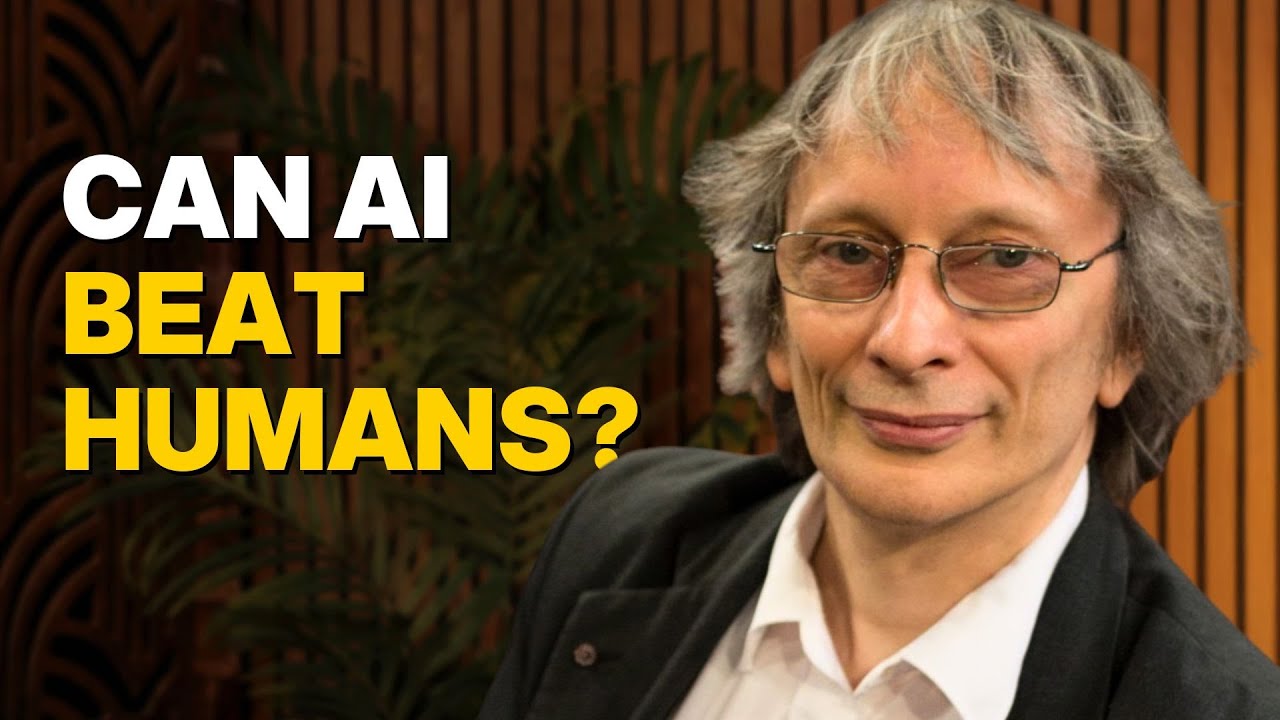
David Deutsch - AI, America, Fun, & Bayes
David Deutsch — physicist, pioneer of quantum computing, and author of The Fabric of Reality and The Beginning of Infinity — discusses AI, the nature of
-
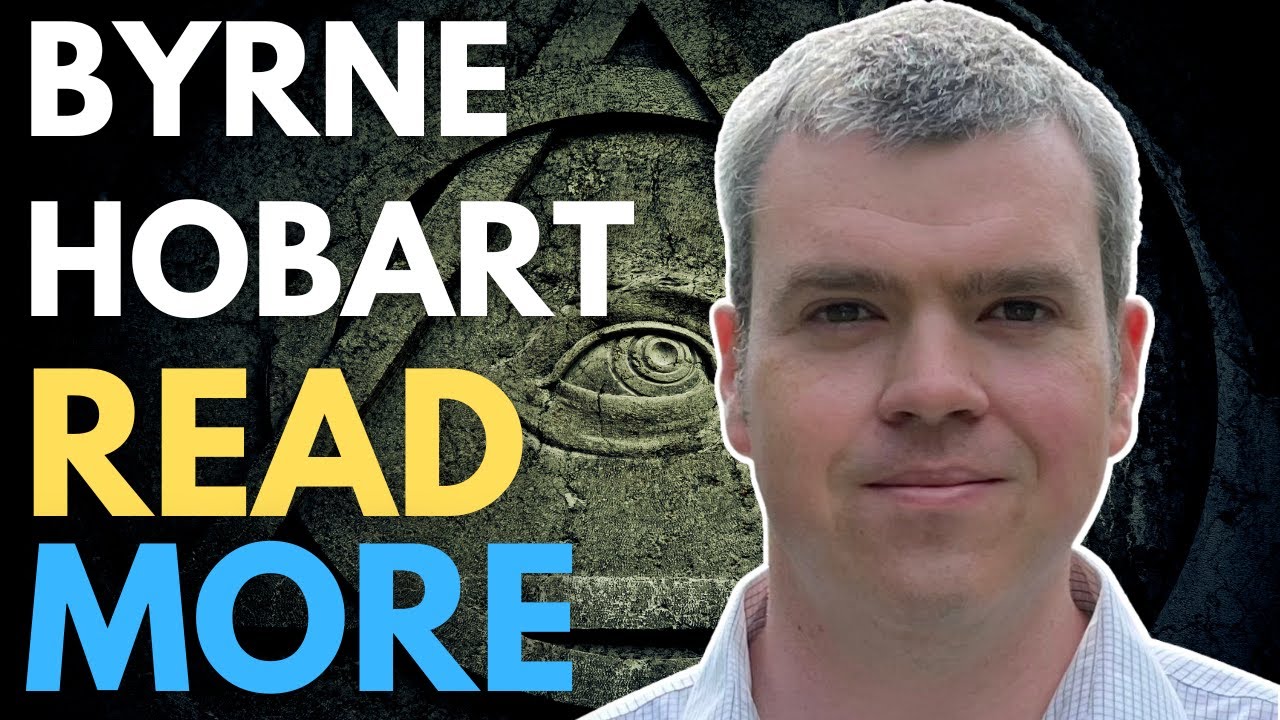
Byrne Hobart - Optionality, Stagnation, and Secret Societies
Byrne Hobart writes The Diff, a newsletter about inflections in finance and technology with 24,000+ subscribers. His central preoccupation is understanding how
-
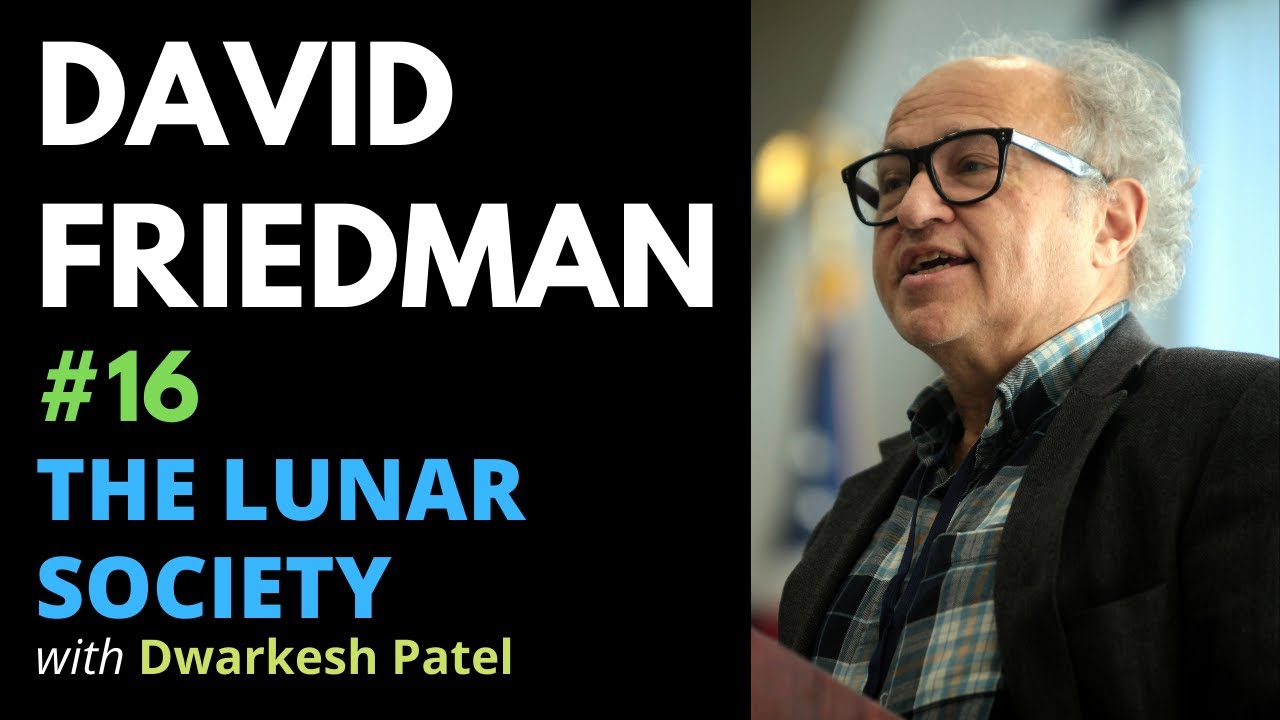
David Friedman - Dating Markets, Legal Systems, Bitcoin, and Automation
David Friedman is an anarcho-capitalist economist and legal scholar, author of works including Machinery of Freedom and Legal Systems Very Different from Ours.
-
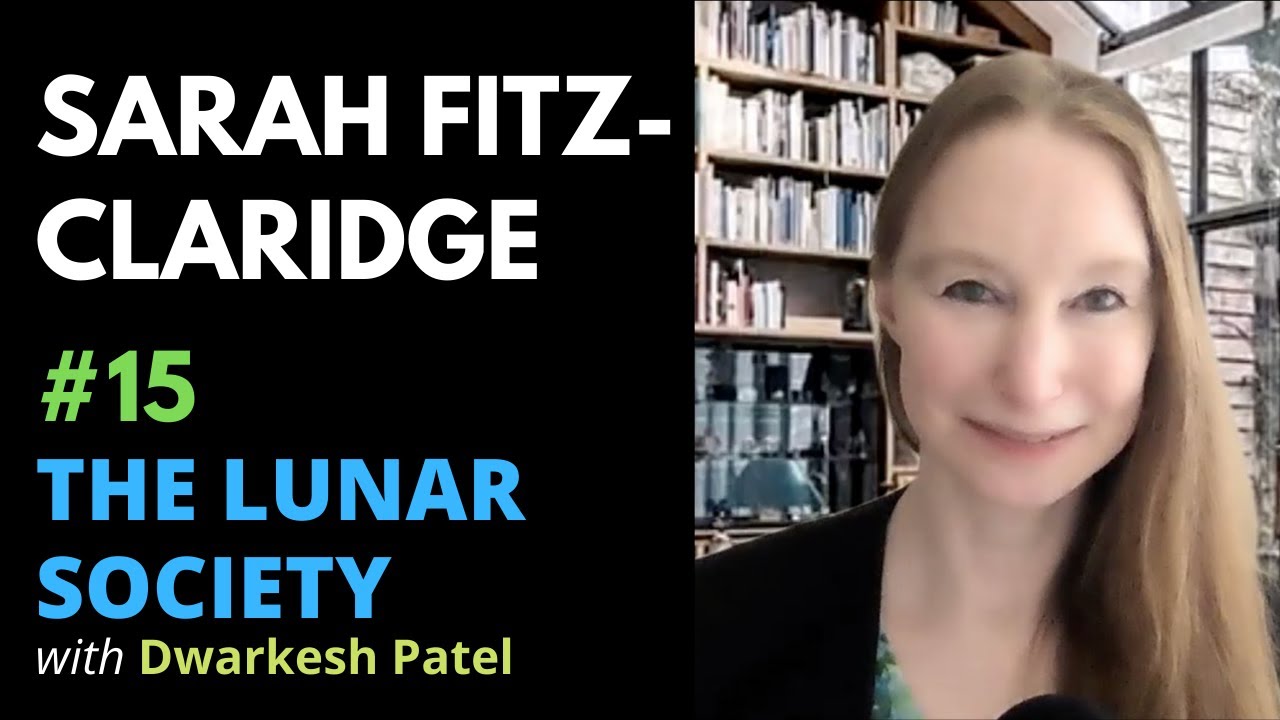
Sarah Fitz-Claridge - Taking Children Seriously | The Lunar Society #15
Sarah Fitz-Claridge is the founder of Taking Children Seriously (TCS), an educational philosophy rooted in fallibilism — the idea that all human beings
-
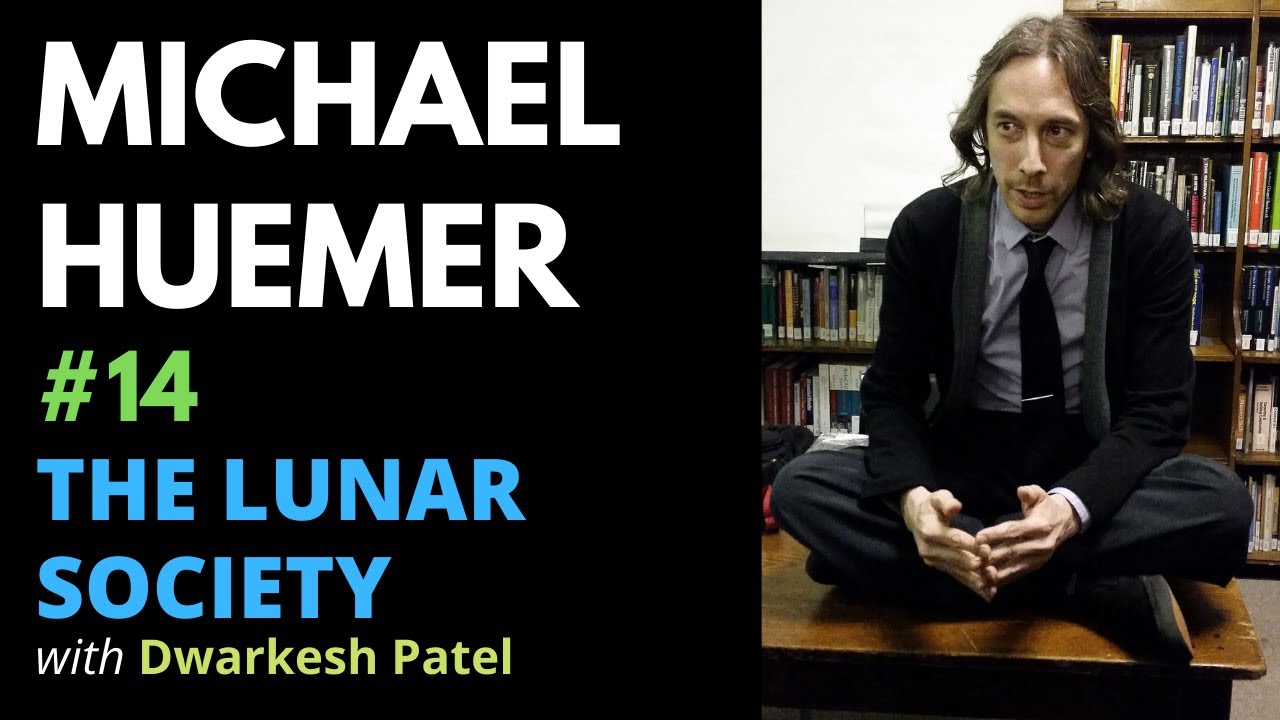
Michael Huemer - Anarchy, Capitalism, and Progress
Philosopher Michael Huemer argues that governments lack the special moral authority most people assume they have, and that the same ethical rules forbidding
-

Uncle Bob - The Long Reach of Code, Automating Programming, and Developing Coding Talent
Robert Martin (Uncle Bob) discusses the future of programming, the limits of AI in automating software development, how to educate and spot programming talent
-

Scott Aaronson - Quantum Computing, Complexity, and Creativity
Scott Aaronson is a professor of computer science at UT Austin and director of its Quantum Information Center, known for his work in quantum computing and
-
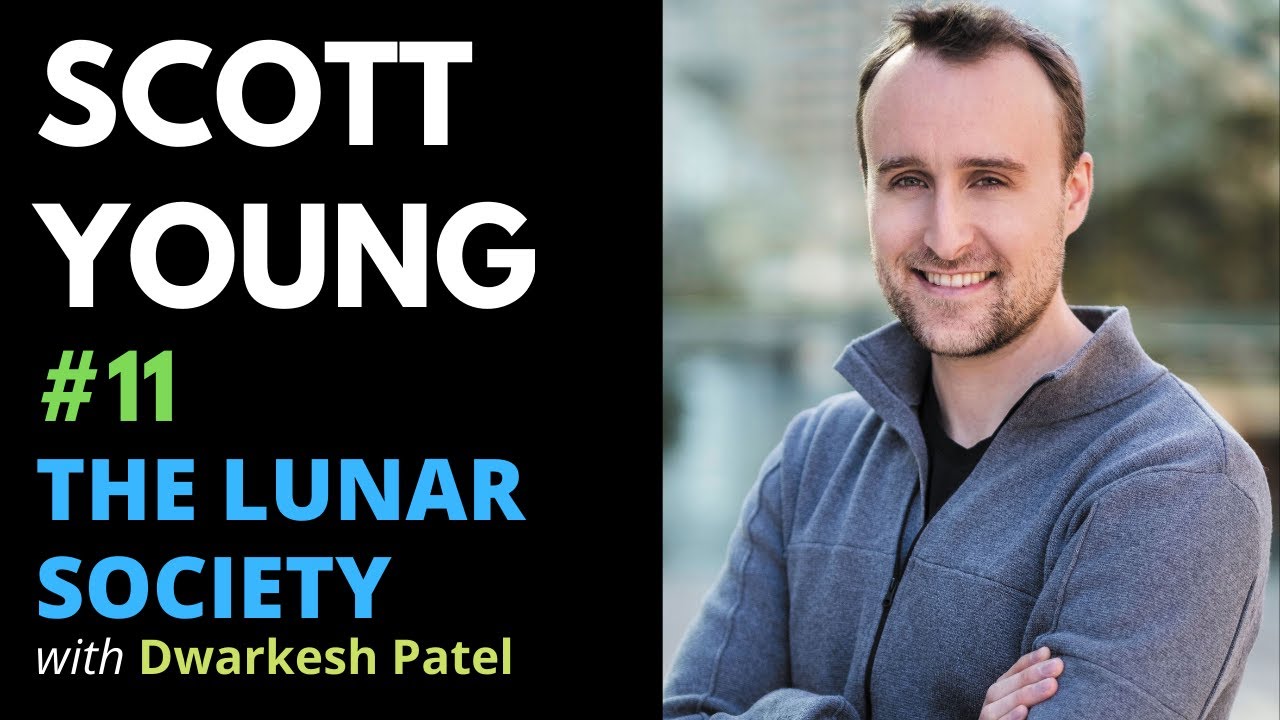
Scott Young - Ultralearning, The MIT Challenge
Scott Young is the author of Ultraling and famous for the MIT Challenge, where he completed MIT's four-year computer science curriculum in one year by using
-
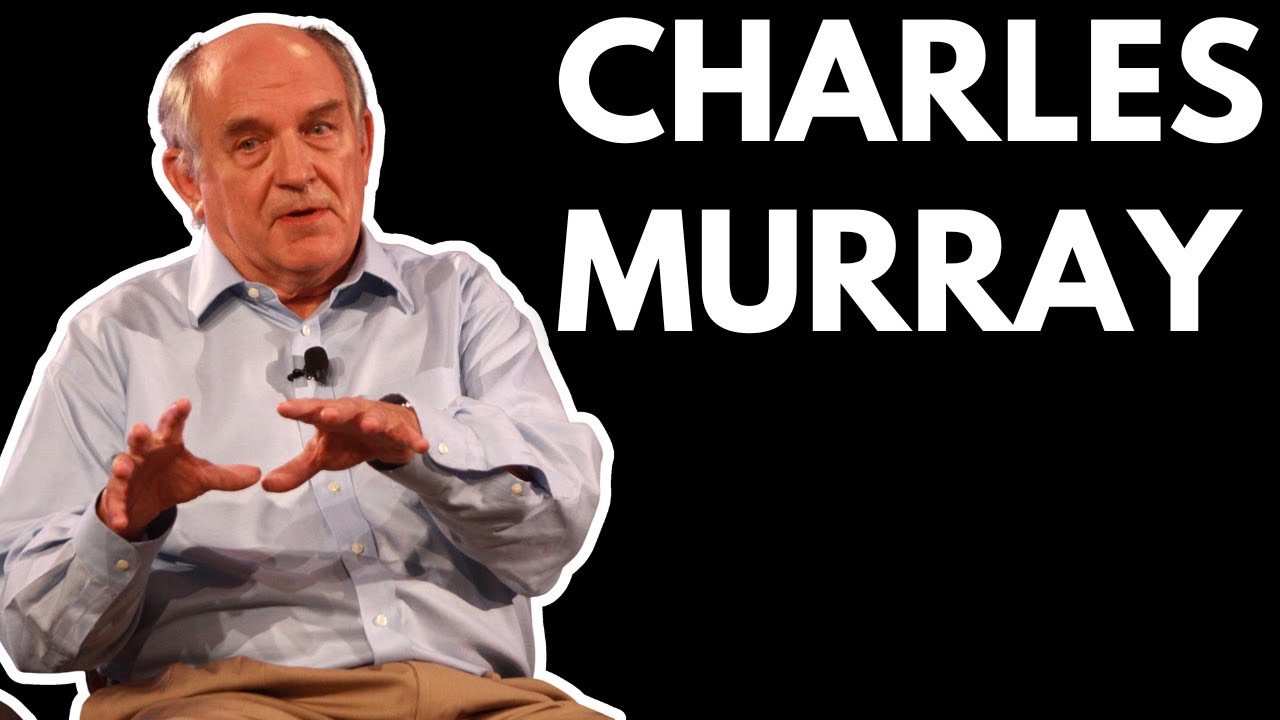
Charles Murray - Human Accomplishment and the Future of Liberty | The Lunar Society #10
Charles Murray discusses his books Human Accomplishment, By the People, and The Curmudgeon's Guide to Getting Ahead, exploring what drives excellence, how
-
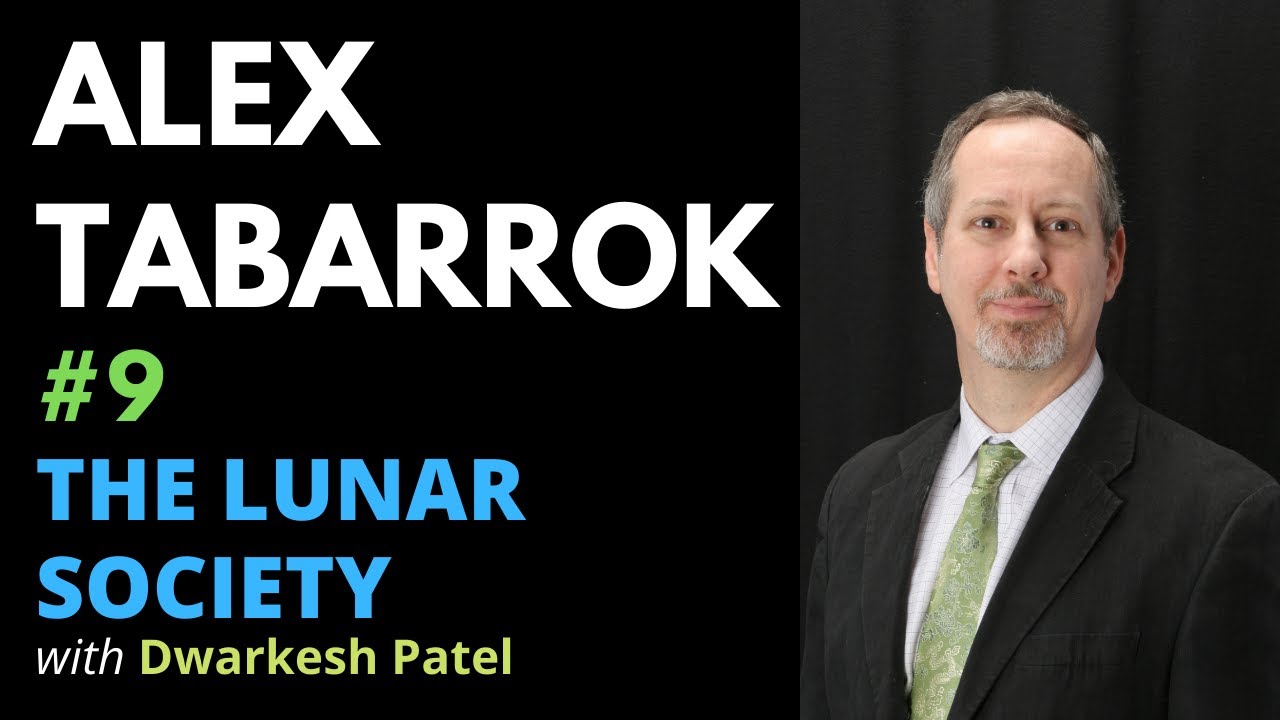
Alex Tabarrok - Prizes, Prices, and Public Goods
Alex Tabarrok is an economics professor at George Mason University, co-founder of the Marginal Revolution blog with Tyler Cowen, and co-founder of Marginal
-
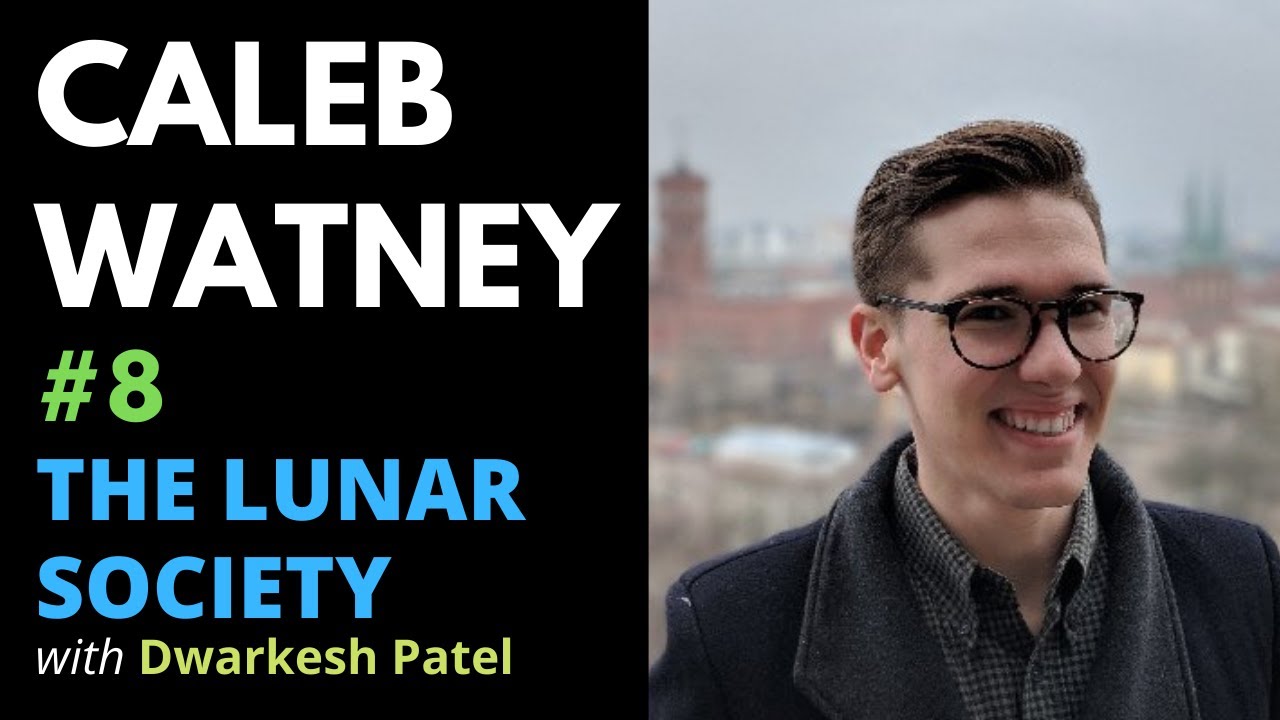
Caleb Watney - America's Innovation Engine
Caleb Watney, director of innovation policy at the Progressive Policy Institute, argues that America's innovation engine is slowing due to three interconnected
-

Robin Hanson - The Long View and The Elephant in the Brain
Robin Hanson, an economist at George Mason University and author of The Elephant in the Brain and The Age of Em, discusses long-term thinking, hidden human
-
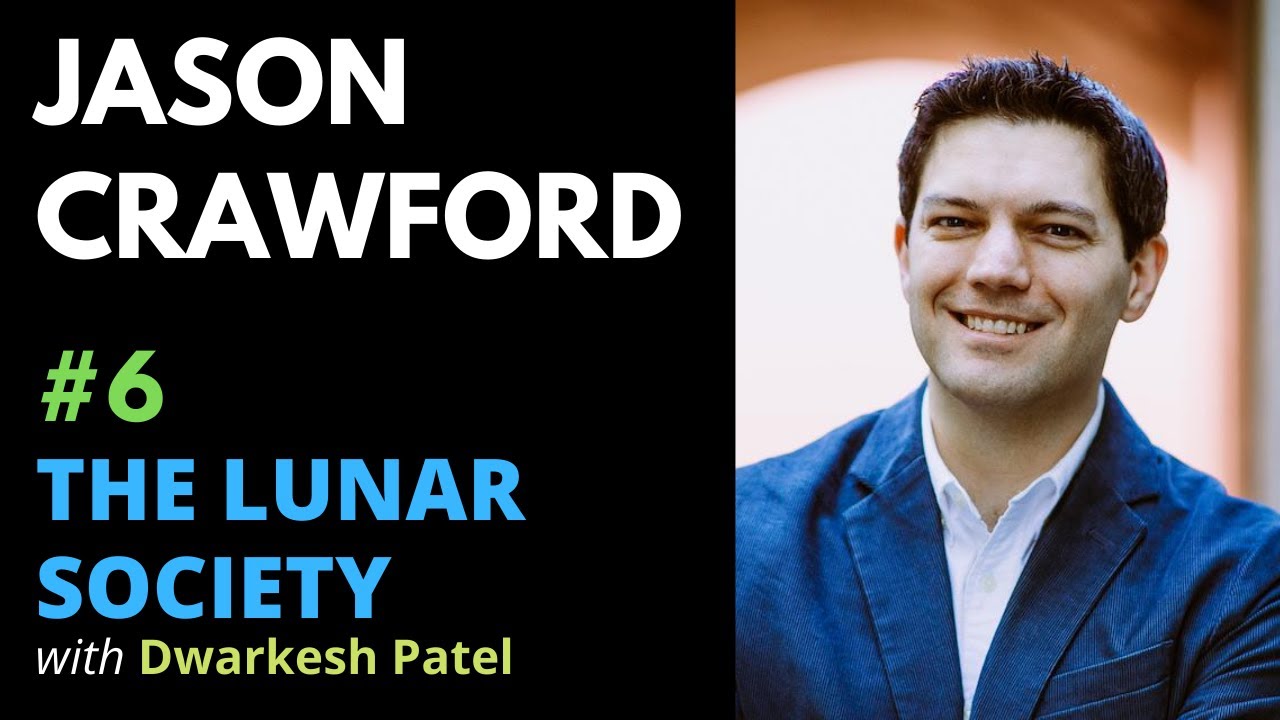
Jason Crawford - The Roots of Progress & the History of Technology
Jason Crawford, a former tech startup founder, writes at The Roots of Progress about the history of technology, industry, and the philosophy of progress. He
-
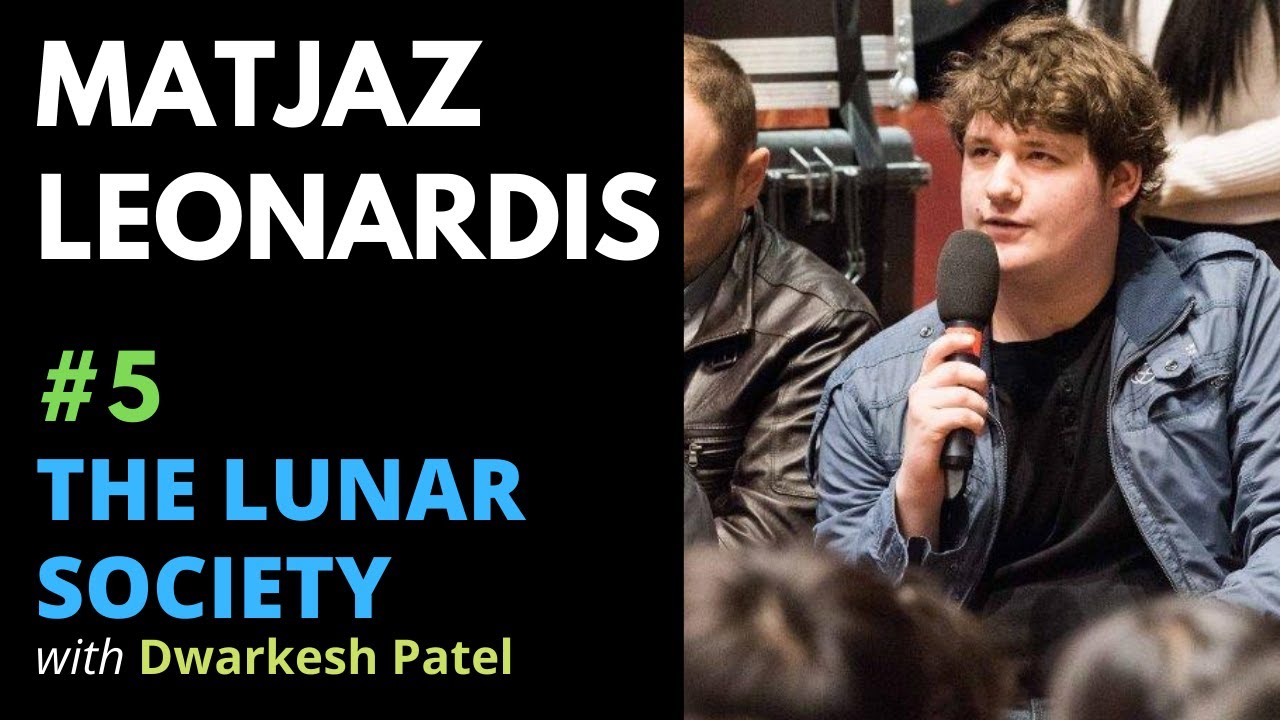
Matjaž Leonardis - Science, Identity and Probability
Matjaž Leonardis, a polymath who has co-authored a paper with David Deutsch on the Popper-Miller Theorem, discusses the dangers of identifying too strongly with
-

Tyler Cowen - The Great Reset
Tyler Cowen, economist at George Mason University and director of the Mercatus Center, discusses his prediction of a "Great Reset" from his 2017 book The
-
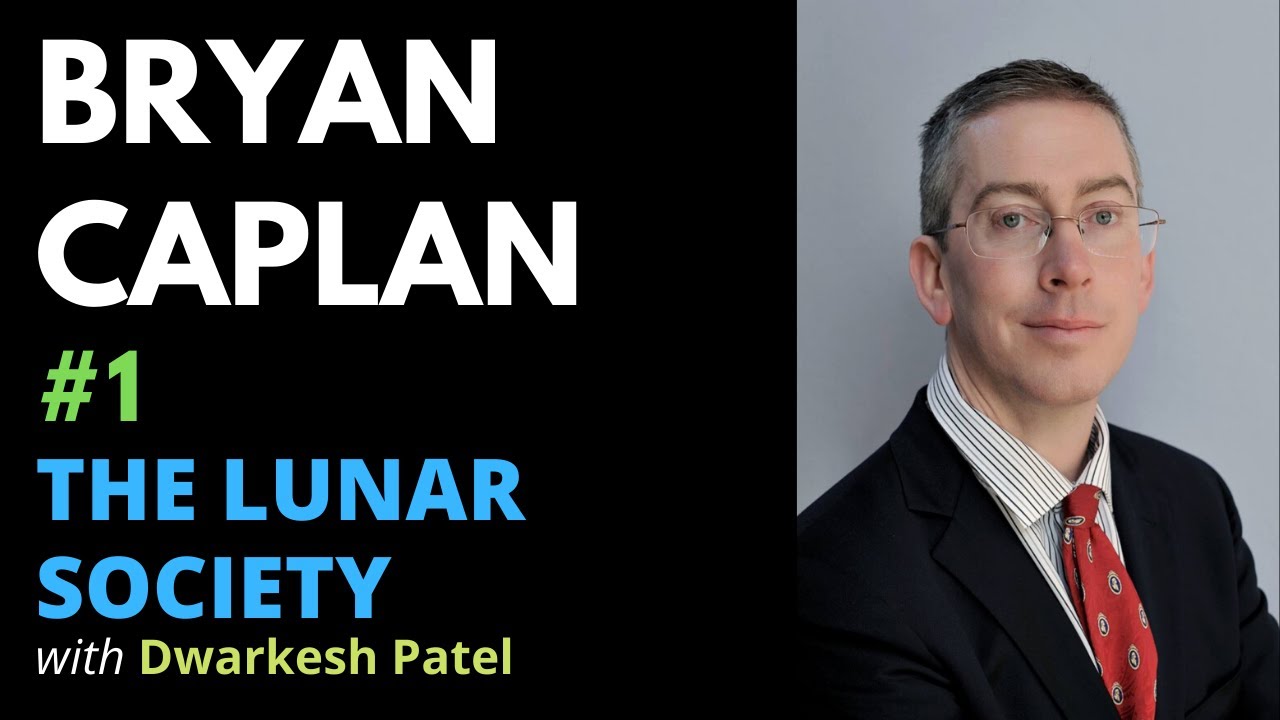
Bryan Caplan - Nurturing Orphaned Ideas, Education, and UBI
Bryan Caplan, an economist at George Mason University and author of The Myth of the Rational Voter and Open Borders, discusses a wide range of topics including