- This episode of American Alchemist features Ross Douthat, a New York Times columnist, author, and former senior editor of The Atlantic, known for writing on conservative topics including elite education, Christianity in American life, and the cultural trajectory of Western civilization. The conversation centers on the mysterious origins of Lyme disease — how it emerged in Lyme, Connecticut in the 1970s, why its cause was fiercely debated for years, and what its story reveals about science, politics, and uncertainty.
The emergence of Lyme disease
- Lyme disease was first identified as a distinct illness in the early 1970s when Polly Murray, an artist and mother in Lyme, Connecticut, noticed a cluster of juvenile arthritis and other unusual symptoms in her family and neighbors and pushed doctors and public health officials to investigate.
- The initial medical response was slow and dismissive; many doctors suspected a psychological or viral cause, and the condition was temporarily called “Lyme arthritis.”
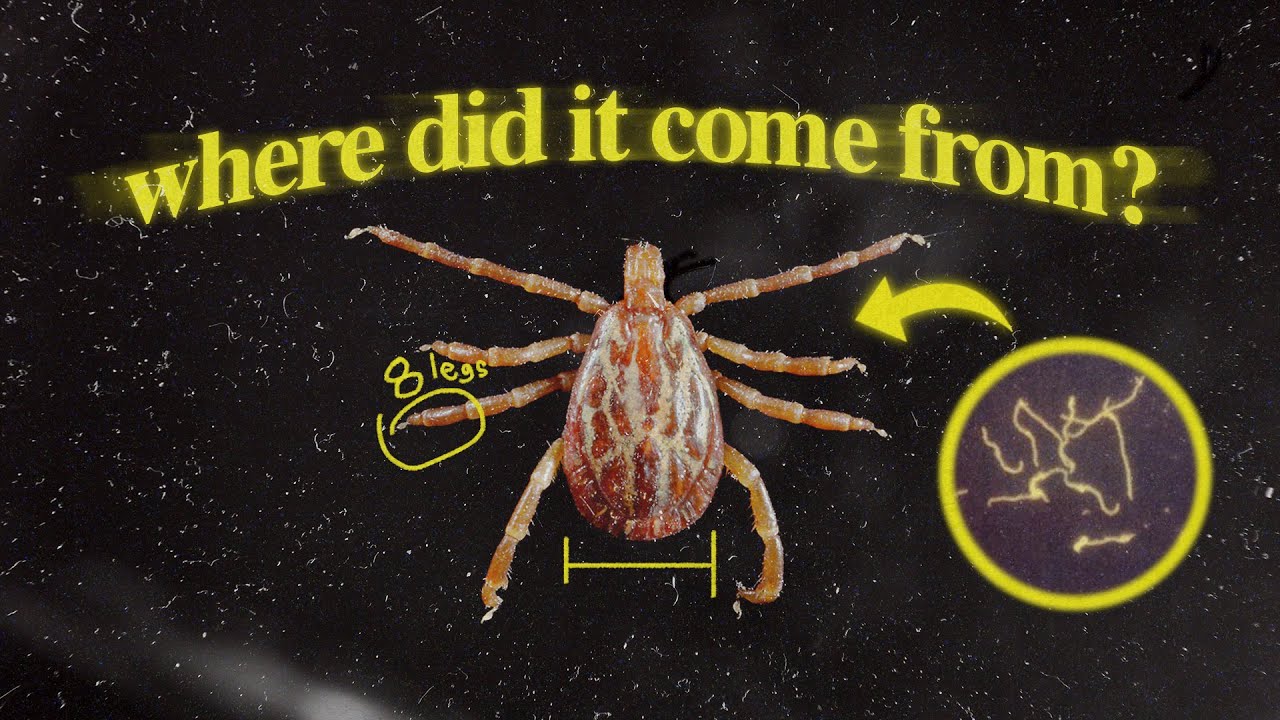
- Willy Burgdorfer, a medical entomologist, identified the bacterial spirochete Borrelia burgdorferi in 1982 as the cause, transmitted by the black-legged tick (Ixodes scapularis), which gave the disease its definitive explanation and name.
The controversy and scientific debate
- Even after Burgdorfer’s discovery, significant controversy persisted — particularly around whether Lyme disease could become a chronic, persistent infection requiring long-term antibiotic treatment.
- The Infectious Diseases Society of America (IDSA) guidelines recommended limited antibiotic courses and held that chronic symptoms after treatment were unlikely to be caused by an active infection, labeling them “post-treatment Lyme disease syndrome.”
- A vocal patient community and some physicians (often associated with the International Lyme and Associated Diseases Society, or ILADS) argued that the bacteria could evade standard treatment and cause ongoing illness, pushing for long-term antibiotic therapy.
- This became a deeply polarized dispute, with accusations of bad science, patient neglect, and institutional rigidity on both sides — and real consequences for patients caught in the middle.
What the Lyme story reveals about science and institutions
- Douthat uses the Lyme disease saga as a case study in how scientific consensus forms, how institutions handle uncertainty, and how legitimate patient experiences can be dismissed when they don’t fit prevailing models.
- The episode explores the tension between the need for rigorous evidence-based medicine and the reality that medicine often operates under genuine uncertainty — and that institutional confidence can sometimes outrun the actual evidence.
- There are parallels drawn to broader patterns in how public health establishments respond to novel or poorly understood conditions, and how the COVID-19 pandemic has echoed some of the same dynamics of contested expertise and patient advocacy.
Bioweapons angle and the mystery of emergence
- The episode examines the question of why Lyme disease emerged when and where it did — including speculation about whether it could have originated from a bioweapons research facility (Plum Island Animal Disease Center is nearby on Long Island).
- Douthat presents this as an unresolved and genuinely mysterious element: the disease may have existed at low levels historically, but ecological changes (suburban sprawl, deer population growth, reforestation) likely contributed to its sudden prominence in the late 20th century.
- The bioweapons theory is treated as plausible enough to warrant investigation but not proven — and the episode uses it to illustrate how conspiracy thinking can attach itself to real institutional secrecy and legitimate unanswered questions.
Broader themes
- The conversation connects the Lyme disease story to Douthat’s wider intellectual interests: the limits of expertise, the way institutions manage (or mismanage) uncertainty, and the cultural tendency to polarize complex medical and scientific questions.
- The episode suggests that the Lyme controversy is a useful lens for thinking about how societies handle emerging threats, contested science, and the suffering of patients whose conditions don’t fit neatly into established categories.